Test Publication:
Auto Bild
225/45 R17
21 tyres
5 categories
Test Size:
225/45 R17
Tyres Tested:
21 tyres
Auto Bild is not affiliated with, and does not endorse, Tyre Reviews. This is independent editorial coverage of their published test.
It's winter testing time, and as always, Auto Bild are leading the way! Following on from the
53 winter tyre shoot-out, Auto Bild have taken the top twenty 225/45 R17 tyres through to the full test, along with a summer tyre as reference. Each set of tyres has been tested in the dry, wet and snow using a RWD BMW 1 Series, and Auto Bild are one of the few publications which test for wear. It's an exciting test! (if you're into tyres...)
The Top Three
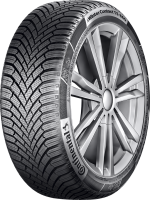
After finishing just fifth in the braking shootout, you'd be forgiven for thinking Continental have some serious opposition for the TS860 dominance, but now all aspects of the tyres performance has been tested, they're back on top with another win for the TS860. As with previous tests, the Continental excelled with an all round performance, while having the second lowest wear on test! An impressive feat, and another sign that the high wear Continental tyres have experienced in the past are firmly behind them.
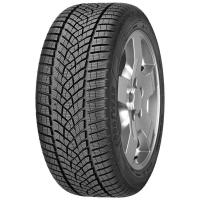
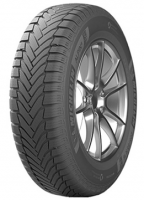
The new Goodyear UltraGrip Performance+ finished in second place, again with a very well balanced performance and low wear, with the new Michelin Alpin 6 close behind it. As usual, the French tyre displayed the best wear on test, combined with an excellent all round performance, but as with all three tyres, it came at a price, with the top three tyres having some of the highest purchase prices on test.
The Rest
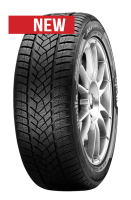
This time, the "best of the rest" award goes to Apollo, with the Aspire XP winter proving to have an excellent blend of winter qualities, and a very low purchase price, leaving it as the fourth best value tyre on test (a metric dividing purchase price with tread wear!)
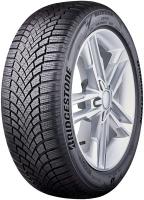
Bridgestone couldn't hold onto the win from the braking test, struggling a little in the snow testing, but it is still an excellent result for the LM005, and a tyre that looks to be well suited to the British style winters thanks to a very strong dry and wet performance.
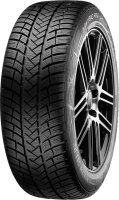
Vredestein once again put on an impressive performance finishing sixth place overall, with the Wintrac Pro noted as a sporty feeling winter tyre. Like the Bridgestone, it coped better in the dry and wet than it did the snow, so a good candidate for the UK market.
The final notable performances are Dunlop finishing in sixteenth, and Pirelli finishing eighteenth place. Buying premium doesn't always guarantee you a premium performance, with the Pirelli having both poor grip, and very high wear.
Read on for all the data below.
Dry
As is the case with siped tyres, and the main reason you shouldn't run winter tyres year round, all the winter tyres lagged behind the summer reference during dry testing, with the best on test (Pirelli) a full 6 meters behind the summer.
- Reference Summer
- Pirelli Winter Sottozero 3
- Continental WinterContact TS 860
- Vredestein Wintrac Pro
- Bridgestone Blizzak LM005
- Michelin Alpin 6
- Goodyear UltraGrip Performance Plu
- Nokian WR Snowproof
- Apollo Aspire XP Winter
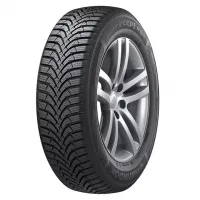
- Hankook Winter i cept RS2
- BFGoodrich gForce Winter 2
- Kumho WinterCraft WP71
- Yokohama BluEarth Winter V905
- Uniroyal MS Plus 77
- Kleber Krisalp HP3
- Dunlop Winter Sport 5
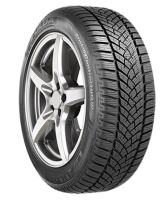
- Fulda Kristall Control HP2
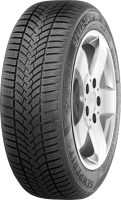
- Semperit Speed Grip 3
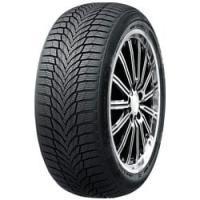
- Nexen WinGuard Sport 2
- Debica Frigo HP2
- Sava Eskimo HP2
There was a smaller, but still significant gap during dry handling testing.
- Reference Summer
- Continental WinterContact TS 860
- Bridgestone Blizzak LM005
- Vredestein Wintrac Pro
- Apollo Aspire XP Winter
- Yokohama BluEarth Winter V905
- Nexen WinGuard Sport 2
- Pirelli Winter Sottozero 3
- Hankook Winter i cept RS2
- Fulda Kristall Control HP2
- Uniroyal MS Plus 77
- Goodyear UltraGrip Performance Plu
- Michelin Alpin 6
- Semperit Speed Grip 3
- Dunlop Winter Sport 5
- Nokian WR Snowproof
- Sava Eskimo HP2
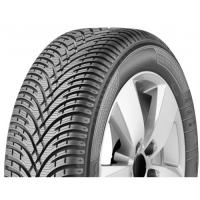
- BFGoodrich gForce Winter 2
- Debica Frigo HP2
- Kleber Krisalp HP3
- Kumho WinterCraft WP71
Wet
The Bridgestone LM005 was the only winter tyre which beat the summer tyre during wet braking, while the Michelin could only match the summer tyre.
- Bridgestone Blizzak LM005
- Reference Summer
- Michelin Alpin 6
- Goodyear UltraGrip Performance Plu
- Vredestein Wintrac Pro
- Apollo Aspire XP Winter
- Pirelli Winter Sottozero 3
- Continental WinterContact TS 860
- Kumho WinterCraft WP71
- Semperit Speed Grip 3
- Hankook Winter i cept RS2
- BFGoodrich gForce Winter 2
- Nokian WR Snowproof
- Kleber Krisalp HP3
- Yokohama BluEarth Winter V905
- Uniroyal MS Plus 77
- Dunlop Winter Sport 5
- Nexen WinGuard Sport 2
- Fulda Kristall Control HP2
- Sava Eskimo HP2
- Debica Frigo HP2
The Goodyear UltraGrip Performance+ was the best winter tyre during the wet handling lap.
- Reference Summer
- Goodyear UltraGrip Performance Plu
- Bridgestone Blizzak LM005
- Vredestein Wintrac Pro
- Continental WinterContact TS 860
- Michelin Alpin 6
- Apollo Aspire XP Winter
- Semperit Speed Grip 3
- Kumho WinterCraft WP71
- Nexen WinGuard Sport 2
- BFGoodrich gForce Winter 2
- Uniroyal MS Plus 77
- Kleber Krisalp HP3
- Pirelli Winter Sottozero 3
- Yokohama BluEarth Winter V905
- Hankook Winter i cept RS2
- Dunlop Winter Sport 5
- Nokian WR Snowproof
- Fulda Kristall Control HP2
- Sava Eskimo HP2
- Debica Frigo HP2
There was over 15 Km/H difference in straight aquaplaning testing.
- BFGoodrich gForce Winter 2
- Continental WinterContact TS 860
- Kleber Krisalp HP3
- Goodyear UltraGrip Performance Plu
- Bridgestone Blizzak LM005
- Apollo Aspire XP Winter
- Dunlop Winter Sport 5
- Kumho WinterCraft WP71
- Fulda Kristall Control HP2
- Michelin Alpin 6
- Uniroyal MS Plus 77
- Hankook Winter i cept RS2
- Vredestein Wintrac Pro
- Nexen WinGuard Sport 2
- Debica Frigo HP2
- Pirelli Winter Sottozero 3
- Semperit Speed Grip 3
- Sava Eskimo HP2
- Nokian WR Snowproof
- Yokohama BluEarth Winter V905
Snow
The snow testing was separated by 2.4 meters, with all tyres having an acceptable performance for most of the UK.
- Kleber Krisalp HP3
- Debica Frigo HP2
- Sava Eskimo HP2
- BFGoodrich gForce Winter 2
- Goodyear UltraGrip Performance Plu
- Semperit Speed Grip 3
- Fulda Kristall Control HP2
- Dunlop Winter Sport 5
- Continental WinterContact TS 860
- Uniroyal MS Plus 77
- Bridgestone Blizzak LM005
- Nokian WR Snowproof
- Nexen WinGuard Sport 2
- Michelin Alpin 6
- Kumho WinterCraft WP71
- Hankook Winter i cept RS2
- Apollo Aspire XP Winter
- Vredestein Wintrac Pro
- Yokohama BluEarth Winter V905
- Pirelli Winter Sottozero 3
- Reference Summer
Snow handling showed the well priced Kleber to have the best all round balance of snow performances.
- Hankook Winter i cept RS2
- Kleber Krisalp HP3
- Semperit Speed Grip 3
- Debica Frigo HP2
- BFGoodrich gForce Winter 2
- Sava Eskimo HP2
- Goodyear UltraGrip Performance Plu
- Nokian WR Snowproof
- Continental WinterContact TS 860
- Nexen WinGuard Sport 2
- Dunlop Winter Sport 5
- Uniroyal MS Plus 77
- Michelin Alpin 6
- Apollo Aspire XP Winter
- Vredestein Wintrac Pro
- Bridgestone Blizzak LM005
- Kumho WinterCraft WP71
- Yokohama BluEarth Winter V905
- Fulda Kristall Control HP2
- Pirelli Winter Sottozero 3
Environment
The Nokian SnowProof had an incredibly low rolling resistance, with nearly all the winter tyres having lower fuel use than the summer reference.
The Nexen and Continental were the quietest tyres on test during the external noise testing.
- Nexen WinGuard Sport 2
- Continental WinterContact TS 860
- Kleber Krisalp HP3
- BFGoodrich gForce Winter 2
- Reference Summer
- Kumho WinterCraft WP71
- Bridgestone Blizzak LM005
- Semperit Speed Grip 3
- Goodyear UltraGrip Performance Plu
- Nokian WR Snowproof
- Apollo Aspire XP Winter
- Uniroyal MS Plus 77
- Michelin Alpin 6
- Pirelli Winter Sottozero 3
- Vredestein Wintrac Pro
- Yokohama BluEarth Winter V905
- Fulda Kristall Control HP2
- Dunlop Winter Sport 5
- Hankook Winter i cept RS2
- Debica Frigo HP2
- Sava Eskimo HP2
Cost / Wear
Michelin is always strong in wear testing, and it continued its dominance by having a big advantage. Continental and Apollo also proved to have really strong wear characteristics, while Uniroyal, Kleber, Pirelli and Kumho wore out nearly 15,000 km sooner than the Michelin.
- Michelin Alpin 6
- Continental WinterContact TS 860
- Apollo Aspire XP Winter
- Goodyear UltraGrip Performance Plu
- Bridgestone Blizzak LM005
- Hankook Winter i cept RS2
- BFGoodrich gForce Winter 2
- Vredestein Wintrac Pro
- Semperit Speed Grip 3
- Nexen WinGuard Sport 2
- Dunlop Winter Sport 5
- Nokian WR Snowproof
- Yokohama BluEarth Winter V905
- Debica Frigo HP2
- Sava Eskimo HP2
- Fulda Kristall Control HP2
- Uniroyal MS Plus 77
- Kleber Krisalp HP3
- Pirelli Winter Sottozero 3
- Kumho WinterCraft WP71
The "Value" score is simply the price of the wear in Euros, per 1000 km. In this test, the lower priced tyres proved to be the best value, with even the excellent wear of the Michelin unable to offset its higher purchase price.
- Sava Eskimo HP2
- Debica Frigo HP2
- Nexen WinGuard Sport 2
- Apollo Aspire XP Winter
- Kleber Krisalp HP3
- Hankook Winter i cept RS2
- Fulda Kristall Control HP2
- Semperit Speed Grip 3
- BFGoodrich gForce Winter 2
- Yokohama BluEarth Winter V905
- Michelin Alpin 6
- Uniroyal MS Plus 77
- Kumho WinterCraft WP71
- Goodyear UltraGrip Performance Plu
- Vredestein Wintrac Pro
- Continental WinterContact TS 860
- Bridgestone Blizzak LM005
- Dunlop Winter Sport 5
- Pirelli Winter Sottozero 3
- Nokian WR Snowproof
- Sava Eskimo HP2
- Debica Frigo HP2
- Nexen WinGuard Sport 2
- Kleber Krisalp HP3
- Kumho WinterCraft WP71
- Fulda Kristall Control HP2
- Apollo Aspire XP Winter
- Hankook Winter i cept RS2
- Uniroyal MS Plus 77
- Yokohama BluEarth Winter V905
- BFGoodrich gForce Winter 2
- Semperit Speed Grip 3
- Pirelli Winter Sottozero 3
- Vredestein Wintrac Pro
- Dunlop Winter Sport 5
- Nokian WR Snowproof
- Goodyear UltraGrip Performance Plu
- Bridgestone Blizzak LM005
- Continental WinterContact TS 860
- Michelin Alpin 6
Results
Best driving characteristics in all conditions. Direct steering, stable cornering, low fuel use and excellent tread wear
None mentioend
Test Winner
| Test |
# |
Result |
Best |
Diff |
% |
| Dry Braking |
3rd |
44.4 M |
38.4 M |
+6 M |
86.49% |
| Dry Handling |
2nd |
82.9 Km/H |
84.6 Km/H |
-1.7 Km/H |
97.99% |
| Test |
# |
Result |
Best |
Diff |
% |
| Wet Braking |
8th |
31.5 M |
29.2 M |
+2.3 M |
92.7% |
| Wet Handling |
5th |
73.7 Km/H |
75.7 Km/H |
-2 Km/H |
97.36% |
| Straight Aqua |
2nd |
76.7 Km/H |
78 Km/H |
-1.3 Km/H |
98.33% |
| Test |
# |
Result |
Best |
Diff |
% |
| Snow Braking |
9th |
24.5 M |
24 M |
+0.5 M |
97.96% |
| Snow Handling |
7th |
77.3 Km/H |
78.4 Km/H |
-1.1 Km/H |
98.6% |
| Test |
# |
Result |
Best |
Diff |
% |
| Noise |
2nd |
68.9 dB |
68.7 dB |
+0.2 dB |
99.71% |
| Test |
# |
Result |
Best |
Diff |
% |
| Wear |
2nd |
45920 KM |
51250 KM |
-5330 KM |
89.6% |
| Value |
16th |
10.89 Price/1000 |
7.62 Price/1000 |
+3.27 Price/1000 |
69.97% |
| Price |
19th |
500 |
300 |
+200 |
60% |
| Rolling Resistance |
9th |
8.11 kg / t |
7.43 kg / t |
+0.68 kg / t |
91.62% |
Excellent driving properties on wet and snowy surfaces, precise steering behavior with dynamic wet and snow handling, and short braking distances. Low wear.
None mentioned
Exemplary
| Test |
# |
Result |
Best |
Diff |
% |
| Dry Braking |
7th |
44.7 M |
38.4 M |
+6.3 M |
85.91% |
| Dry Handling |
11th |
81.7 Km/H |
84.6 Km/H |
-2.9 Km/H |
96.57% |
| Test |
# |
Result |
Best |
Diff |
% |
| Wet Braking |
4th |
30.6 M |
29.2 M |
+1.4 M |
95.42% |
| Wet Handling |
2nd |
74.7 Km/H |
75.7 Km/H |
-1 Km/H |
98.68% |
| Straight Aqua |
4th |
74.6 Km/H |
78 Km/H |
-3.4 Km/H |
95.64% |
| Test |
# |
Result |
Best |
Diff |
% |
| Snow Braking |
5th |
24.3 M |
24 M |
+0.3 M |
98.77% |
| Snow Handling |
7th |
77.3 Km/H |
78.4 Km/H |
-1.1 Km/H |
98.6% |
| Test |
# |
Result |
Best |
Diff |
% |
| Noise |
9th |
70.3 dB |
68.7 dB |
+1.6 dB |
97.72% |
| Test |
# |
Result |
Best |
Diff |
% |
| Wear |
4th |
42870 KM |
51250 KM |
-8380 KM |
83.65% |
| Value |
14th |
10.71 Price/1000 |
7.62 Price/1000 |
+3.09 Price/1000 |
71.15% |
| Price |
17th |
470 |
300 |
+170 |
63.83% |
| Rolling Resistance |
12th |
8.44 kg / t |
7.43 kg / t |
+1.01 kg / t |
88.03% |
A model winter tyre with excellent snow and wet performance, good aquaplaning resistance, short wet braking, good ride comfort and lowest wear
None mentioned
Exemplary
| Test |
# |
Result |
Best |
Diff |
% |
| Dry Braking |
5th |
44.5 M |
38.4 M |
+6.1 M |
86.29% |
| Dry Handling |
11th |
81.7 Km/H |
84.6 Km/H |
-2.9 Km/H |
96.57% |
| Test |
# |
Result |
Best |
Diff |
% |
| Wet Braking |
2nd |
30.4 M |
29.2 M |
+1.2 M |
96.05% |
| Wet Handling |
6th |
73.1 Km/H |
75.7 Km/H |
-2.6 Km/H |
96.57% |
| Straight Aqua |
9th |
71.7 Km/H |
78 Km/H |
-6.3 Km/H |
91.92% |
| Test |
# |
Result |
Best |
Diff |
% |
| Snow Braking |
13th |
24.7 M |
24 M |
+0.7 M |
97.17% |
| Snow Handling |
13th |
76.9 Km/H |
78.4 Km/H |
-1.5 Km/H |
98.09% |
| Test |
# |
Result |
Best |
Diff |
% |
| Noise |
13th |
71.2 dB |
68.7 dB |
+2.5 dB |
96.49% |
| Test |
# |
Result |
Best |
Diff |
% |
| Wear |
1st |
51250 KM |
|
|
100% |
| Value |
11th |
10.15 Price/1000 |
7.62 Price/1000 |
+2.53 Price/1000 |
75.07% |
| Price |
20th |
520 |
300 |
+220 |
57.69% |
| Rolling Resistance |
14th |
8.57 kg / t |
7.43 kg / t |
+1.14 kg / t |
86.7% |
Well priced winter tyres with a balanced performance, stable wet and dry handling, short snow and wet braking, good aquaplaning resistance, best price / performance ratio
None mentioned
Exemplary
| Test |
# |
Result |
Best |
Diff |
% |
| Dry Braking |
7th |
44.7 M |
38.4 M |
+6.3 M |
85.91% |
| Dry Handling |
5th |
82.3 Km/H |
84.6 Km/H |
-2.3 Km/H |
97.28% |
| Test |
# |
Result |
Best |
Diff |
% |
| Wet Braking |
6th |
31.2 M |
29.2 M |
+2 M |
93.59% |
| Wet Handling |
7th |
72.8 Km/H |
75.7 Km/H |
-2.9 Km/H |
96.17% |
| Straight Aqua |
6th |
73.4 Km/H |
78 Km/H |
-4.6 Km/H |
94.1% |
| Test |
# |
Result |
Best |
Diff |
% |
| Snow Braking |
17th |
25.1 M |
24 M |
+1.1 M |
95.62% |
| Snow Handling |
14th |
76.6 Km/H |
78.4 Km/H |
-1.8 Km/H |
97.7% |
| Test |
# |
Result |
Best |
Diff |
% |
| Noise |
11th |
71 dB |
68.7 dB |
+2.3 dB |
96.76% |
| Test |
# |
Result |
Best |
Diff |
% |
| Wear |
3rd |
45100 KM |
51250 KM |
-6150 KM |
88% |
| Value |
4th |
8.31 Price/1000 |
7.62 Price/1000 |
+0.69 Price/1000 |
91.7% |
| Price |
7th |
375 |
300 |
+75 |
80% |
| Rolling Resistance |
16th |
8.8 kg / t |
7.43 kg / t |
+1.37 kg / t |
84.43% |
Good wet and dry grip, with dynamic handling and good steering precision
Average lateral stability on snow
Exemplary
| Test |
# |
Result |
Best |
Diff |
% |
| Dry Braking |
5th |
44.5 M |
38.4 M |
+6.1 M |
86.29% |
| Dry Handling |
3rd |
82.6 Km/H |
84.6 Km/H |
-2 Km/H |
97.64% |
| Test |
# |
Result |
Best |
Diff |
% |
| Wet Braking |
1st |
29.2 M |
|
|
100% |
| Wet Handling |
3rd |
74.3 Km/H |
75.7 Km/H |
-1.4 Km/H |
98.15% |
| Straight Aqua |
5th |
74.2 Km/H |
78 Km/H |
-3.8 Km/H |
95.13% |
| Test |
# |
Result |
Best |
Diff |
% |
| Snow Braking |
10th |
24.6 M |
24 M |
+0.6 M |
97.56% |
| Snow Handling |
16th |
76.4 Km/H |
78.4 Km/H |
-2 Km/H |
97.45% |
| Test |
# |
Result |
Best |
Diff |
% |
| Noise |
7th |
70 dB |
68.7 dB |
+1.3 dB |
98.14% |
| Test |
# |
Result |
Best |
Diff |
% |
| Wear |
5th |
42230 KM |
51250 KM |
-9020 KM |
82.4% |
| Value |
17th |
11.25 Price/1000 |
7.62 Price/1000 |
+3.63 Price/1000 |
67.73% |
| Price |
18th |
475 |
300 |
+175 |
63.16% |
| Rolling Resistance |
7th |
7.95 kg / t |
7.43 kg / t |
+0.52 kg / t |
93.46% |
A new winter tyre with excellent wet and dry handling
Average lateral stability on snow
Exemplary
| Test |
# |
Result |
Best |
Diff |
% |
| Dry Braking |
3rd |
44.4 M |
38.4 M |
+6 M |
86.49% |
| Dry Handling |
4th |
82.5 Km/H |
84.6 Km/H |
-2.1 Km/H |
97.52% |
| Test |
# |
Result |
Best |
Diff |
% |
| Wet Braking |
5th |
30.8 M |
29.2 M |
+1.6 M |
94.81% |
| Wet Handling |
4th |
74.1 Km/H |
75.7 Km/H |
-1.6 Km/H |
97.89% |
| Straight Aqua |
13th |
69.3 Km/H |
78 Km/H |
-8.7 Km/H |
88.85% |
| Test |
# |
Result |
Best |
Diff |
% |
| Snow Braking |
18th |
25.2 M |
24 M |
+1.2 M |
95.24% |
| Snow Handling |
15th |
76.5 Km/H |
78.4 Km/H |
-1.9 Km/H |
97.58% |
| Test |
# |
Result |
Best |
Diff |
% |
| Noise |
15th |
71.7 dB |
68.7 dB |
+3 dB |
95.82% |
| Test |
# |
Result |
Best |
Diff |
% |
| Wear |
7th |
41410 KM |
51250 KM |
-9840 KM |
80.8% |
| Value |
15th |
10.87 Price/1000 |
7.62 Price/1000 |
+3.25 Price/1000 |
70.1% |
| Price |
14th |
450 |
300 |
+150 |
66.67% |
| Rolling Resistance |
17th |
8.97 kg / t |
7.43 kg / t |
+1.54 kg / t |
82.83% |
Good value tyres, high aquaplaning resistance, low noise, low wear
Average dry grip
Good
| Test |
# |
Result |
Best |
Diff |
% |
| Dry Braking |
11th |
45.2 M |
38.4 M |
+6.8 M |
84.96% |
| Dry Handling |
18th |
81.2 Km/H |
84.6 Km/H |
-3.4 Km/H |
95.98% |
| Test |
# |
Result |
Best |
Diff |
% |
| Wet Braking |
11th |
32 M |
29.2 M |
+2.8 M |
91.25% |
| Wet Handling |
11th |
72.4 Km/H |
75.7 Km/H |
-3.3 Km/H |
95.64% |
| Straight Aqua |
1st |
78 Km/H |
|
|
100% |
| Test |
# |
Result |
Best |
Diff |
% |
| Snow Braking |
4th |
24.2 M |
24 M |
+0.2 M |
99.17% |
| Snow Handling |
5th |
77.6 Km/H |
78.4 Km/H |
-0.8 Km/H |
98.98% |
| Test |
# |
Result |
Best |
Diff |
% |
| Noise |
4th |
69.6 dB |
68.7 dB |
+0.9 dB |
98.71% |
| Test |
# |
Result |
Best |
Diff |
% |
| Wear |
7th |
41410 KM |
51250 KM |
-9840 KM |
80.8% |
| Value |
8th |
9.66 Price/1000 |
7.62 Price/1000 |
+2.04 Price/1000 |
78.88% |
| Price |
11th |
400 |
300 |
+100 |
75% |
| Rolling Resistance |
15th |
8.77 kg / t |
7.43 kg / t |
+1.34 kg / t |
84.72% |
A strong all round tyre with good winter characteristics, stable wet handling, low noise and low rolling resistance
Average aquaplaning, average dry braking
Good
| Test |
# |
Result |
Best |
Diff |
% |
| Dry Braking |
18th |
46.5 M |
38.4 M |
+8.1 M |
82.58% |
| Dry Handling |
14th |
81.6 Km/H |
84.6 Km/H |
-3 Km/H |
96.45% |
| Test |
# |
Result |
Best |
Diff |
% |
| Wet Braking |
10th |
31.6 M |
29.2 M |
+2.4 M |
92.41% |
| Wet Handling |
8th |
72.6 Km/H |
75.7 Km/H |
-3.1 Km/H |
95.9% |
| Straight Aqua |
17th |
66.8 Km/H |
78 Km/H |
-11.2 Km/H |
85.64% |
| Test |
# |
Result |
Best |
Diff |
% |
| Snow Braking |
5th |
24.3 M |
24 M |
+0.3 M |
98.77% |
| Snow Handling |
3rd |
78.3 Km/H |
78.4 Km/H |
-0.1 Km/H |
99.87% |
| Test |
# |
Result |
Best |
Diff |
% |
| Noise |
8th |
70.2 dB |
68.7 dB |
+1.5 dB |
97.86% |
| Test |
# |
Result |
Best |
Diff |
% |
| Wear |
7th |
41410 KM |
51250 KM |
-9840 KM |
80.8% |
| Value |
8th |
9.66 Price/1000 |
7.62 Price/1000 |
+2.04 Price/1000 |
78.88% |
| Price |
11th |
400 |
300 |
+100 |
75% |
| Rolling Resistance |
5th |
7.81 kg / t |
7.43 kg / t |
+0.38 kg / t |
95.13% |
The winter king with the best performance on snow, good dry handling, well priced
Average wet performance
Good
| Test |
# |
Result |
Best |
Diff |
% |
| Dry Braking |
10th |
45.1 M |
38.4 M |
+6.7 M |
85.14% |
| Dry Handling |
8th |
81.8 Km/H |
84.6 Km/H |
-2.8 Km/H |
96.69% |
| Test |
# |
Result |
Best |
Diff |
% |
| Wet Braking |
11th |
32 M |
29.2 M |
+2.8 M |
91.25% |
| Wet Handling |
15th |
71.7 Km/H |
75.7 Km/H |
-4 Km/H |
94.72% |
| Straight Aqua |
12th |
70.1 Km/H |
78 Km/H |
-7.9 Km/H |
89.87% |
| Test |
# |
Result |
Best |
Diff |
% |
| Snow Braking |
16th |
24.9 M |
24 M |
+0.9 M |
96.39% |
| Snow Handling |
1st |
78.4 Km/H |
|
|
100% |
| Test |
# |
Result |
Best |
Diff |
% |
| Noise |
19th |
74.1 dB |
68.7 dB |
+5.4 dB |
92.71% |
| Test |
# |
Result |
Best |
Diff |
% |
| Wear |
6th |
41820 KM |
51250 KM |
-9430 KM |
81.6% |
| Value |
6th |
9.33 Price/1000 |
7.62 Price/1000 |
+1.71 Price/1000 |
81.67% |
| Price |
8th |
390 |
300 |
+90 |
76.92% |
| Rolling Resistance |
18th |
9.29 kg / t |
7.43 kg / t |
+1.86 kg / t |
79.98% |
A good winter performance with stable characteristics in all conditions, low rolling resistance, low price
Average dry braking
Good
| Test |
# |
Result |
Best |
Diff |
% |
| Dry Braking |
14th |
46 M |
38.4 M |
+7.6 M |
83.48% |
| Dry Handling |
11th |
81.7 Km/H |
84.6 Km/H |
-2.9 Km/H |
96.57% |
| Test |
# |
Result |
Best |
Diff |
% |
| Wet Braking |
16th |
32.8 M |
29.2 M |
+3.6 M |
89.02% |
| Wet Handling |
12th |
72.3 Km/H |
75.7 Km/H |
-3.4 Km/H |
95.51% |
| Straight Aqua |
11th |
70.3 Km/H |
78 Km/H |
-7.7 Km/H |
90.13% |
| Test |
# |
Result |
Best |
Diff |
% |
| Snow Braking |
10th |
24.6 M |
24 M |
+0.6 M |
97.56% |
| Snow Handling |
10th |
77 Km/H |
78.4 Km/H |
-1.4 Km/H |
98.21% |
| Test |
# |
Result |
Best |
Diff |
% |
| Noise |
12th |
71.1 dB |
68.7 dB |
+2.4 dB |
96.62% |
| Test |
# |
Result |
Best |
Diff |
% |
| Wear |
17th |
38360 KM |
51250 KM |
-12890 KM |
74.85% |
| Value |
12th |
10.25 Price/1000 |
7.62 Price/1000 |
+2.63 Price/1000 |
74.34% |
| Price |
9th |
395 |
300 |
+95 |
75.95% |
| Rolling Resistance |
11th |
8.28 kg / t |
7.43 kg / t |
+0.85 kg / t |
89.73% |
A balanced winter tyre with stable driving characteristics in all conditions, short snow braking, low noise, low price
Long dry braking, high rolling resistance
Good
| Test |
# |
Result |
Best |
Diff |
% |
| Dry Braking |
19th |
46.7 M |
38.4 M |
+8.3 M |
82.23% |
| Dry Handling |
6th |
81.9 Km/H |
84.6 Km/H |
-2.7 Km/H |
96.81% |
| Test |
# |
Result |
Best |
Diff |
% |
| Wet Braking |
18th |
33 M |
29.2 M |
+3.8 M |
88.48% |
| Wet Handling |
9th |
72.5 Km/H |
75.7 Km/H |
-3.2 Km/H |
95.77% |
| Straight Aqua |
14th |
68.4 Km/H |
78 Km/H |
-9.6 Km/H |
87.69% |
| Test |
# |
Result |
Best |
Diff |
% |
| Snow Braking |
13th |
24.7 M |
24 M |
+0.7 M |
97.17% |
| Snow Handling |
10th |
77 Km/H |
78.4 Km/H |
-1.4 Km/H |
98.21% |
| Test |
# |
Result |
Best |
Diff |
% |
| Noise |
1st |
68.7 dB |
|
|
100% |
| Test |
# |
Result |
Best |
Diff |
% |
| Wear |
10th |
40590 KM |
51250 KM |
-10660 KM |
79.2% |
| Value |
3rd |
7.88 Price/1000 |
7.62 Price/1000 |
+0.26 Price/1000 |
96.7% |
| Price |
3rd |
320 |
300 |
+20 |
93.75% |
| Rolling Resistance |
20th |
9.59 kg / t |
7.43 kg / t |
+2.16 kg / t |
77.48% |
Good ride comfort, good aquaplaning resistance, low price, low rolling resistance
Average corning in the wet and snow
Good
| Test |
# |
Result |
Best |
Diff |
% |
| Dry Braking |
17th |
46.4 M |
38.4 M |
+8 M |
82.76% |
| Dry Handling |
8th |
81.8 Km/H |
84.6 Km/H |
-2.8 Km/H |
96.69% |
| Test |
# |
Result |
Best |
Diff |
% |
| Wet Braking |
19th |
33.5 M |
29.2 M |
+4.3 M |
87.16% |
| Wet Handling |
19th |
70.2 Km/H |
75.7 Km/H |
-5.5 Km/H |
92.73% |
| Straight Aqua |
9th |
71.7 Km/H |
78 Km/H |
-6.3 Km/H |
91.92% |
| Test |
# |
Result |
Best |
Diff |
% |
| Snow Braking |
5th |
24.3 M |
24 M |
+0.3 M |
98.77% |
| Snow Handling |
19th |
75.3 Km/H |
78.4 Km/H |
-3.1 Km/H |
96.05% |
| Test |
# |
Result |
Best |
Diff |
% |
| Noise |
17th |
73.3 dB |
68.7 dB |
+4.6 dB |
93.72% |
| Test |
# |
Result |
Best |
Diff |
% |
| Wear |
16th |
38950 KM |
51250 KM |
-12300 KM |
76% |
| Value |
7th |
9.5 Price/1000 |
7.62 Price/1000 |
+1.88 Price/1000 |
80.21% |
| Price |
6th |
370 |
300 |
+70 |
81.08% |
| Rolling Resistance |
4th |
7.8 kg / t |
7.43 kg / t |
+0.37 kg / t |
95.26% |
Excellent snow handling, with sporty dynamic steering, low noise, very low fuel use
Average wet grip, average aquaplaning resistance
Good
| Test |
# |
Result |
Best |
Diff |
% |
| Dry Braking |
7th |
44.7 M |
38.4 M |
+6.3 M |
85.91% |
| Dry Handling |
16th |
81.5 Km/H |
84.6 Km/H |
-3.1 Km/H |
96.34% |
| Test |
# |
Result |
Best |
Diff |
% |
| Wet Braking |
13th |
32.2 M |
29.2 M |
+3 M |
90.68% |
| Wet Handling |
18th |
71.1 Km/H |
75.7 Km/H |
-4.6 Km/H |
93.92% |
| Straight Aqua |
19th |
65.5 Km/H |
78 Km/H |
-12.5 Km/H |
83.97% |
| Test |
# |
Result |
Best |
Diff |
% |
| Snow Braking |
10th |
24.6 M |
24 M |
+0.6 M |
97.56% |
| Snow Handling |
7th |
77.3 Km/H |
78.4 Km/H |
-1.1 Km/H |
98.6% |
| Test |
# |
Result |
Best |
Diff |
% |
| Noise |
10th |
70.6 dB |
68.7 dB |
+1.9 dB |
97.31% |
| Test |
# |
Result |
Best |
Diff |
% |
| Wear |
12th |
39970 KM |
51250 KM |
-11280 KM |
77.99% |
| Value |
20th |
11.69 Price/1000 |
7.62 Price/1000 |
+4.07 Price/1000 |
65.18% |
| Price |
15th |
465 |
300 |
+165 |
64.52% |
| Rolling Resistance |
1st |
7.43 kg / t |
|
|
100% |
Good traction on snow, short wet braking distances, good dry handling
Understeer in the wet, poor aquaplaning resistance
Good
| Test |
# |
Result |
Best |
Diff |
% |
| Dry Braking |
13th |
45.7 M |
38.4 M |
+7.3 M |
84.03% |
| Dry Handling |
6th |
81.9 Km/H |
84.6 Km/H |
-2.7 Km/H |
96.81% |
| Test |
# |
Result |
Best |
Diff |
% |
| Wet Braking |
15th |
32.5 M |
29.2 M |
+3.3 M |
89.85% |
| Wet Handling |
15th |
71.7 Km/H |
75.7 Km/H |
-4 Km/H |
94.72% |
| Straight Aqua |
20th |
62.8 Km/H |
78 Km/H |
-15.2 Km/H |
80.51% |
| Test |
# |
Result |
Best |
Diff |
% |
| Snow Braking |
19th |
26 M |
24 M |
+2 M |
92.31% |
| Snow Handling |
18th |
75.6 Km/H |
78.4 Km/H |
-2.8 Km/H |
96.43% |
| Test |
# |
Result |
Best |
Diff |
% |
| Noise |
16th |
72.4 dB |
68.7 dB |
+3.7 dB |
94.89% |
| Test |
# |
Result |
Best |
Diff |
% |
| Wear |
12th |
39970 KM |
51250 KM |
-11280 KM |
77.99% |
| Value |
10th |
9.93 Price/1000 |
7.62 Price/1000 |
+2.31 Price/1000 |
76.74% |
| Price |
9th |
395 |
300 |
+95 |
75.95% |
| Rolling Resistance |
9th |
8.11 kg / t |
7.43 kg / t |
+0.68 kg / t |
91.62% |
Very good in the snow, dynamic handling and short braking distances, high aquaplaning resistance
Understeer and long braking distances in the dry, average wear
Ok
| Test |
# |
Result |
Best |
Diff |
% |
| Dry Braking |
14th |
46 M |
38.4 M |
+7.6 M |
83.48% |
| Dry Handling |
20th |
80.4 Km/H |
84.6 Km/H |
-4.2 Km/H |
95.04% |
| Test |
# |
Result |
Best |
Diff |
% |
| Wet Braking |
13th |
32.2 M |
29.2 M |
+3 M |
90.68% |
| Wet Handling |
13th |
72.1 Km/H |
75.7 Km/H |
-3.6 Km/H |
95.24% |
| Straight Aqua |
3rd |
75.8 Km/H |
78 Km/H |
-2.2 Km/H |
97.18% |
| Test |
# |
Result |
Best |
Diff |
% |
| Snow Braking |
1st |
24 M |
|
|
100% |
| Snow Handling |
1st |
78.4 Km/H |
|
|
100% |
| Test |
# |
Result |
Best |
Diff |
% |
| Noise |
3rd |
69.3 dB |
68.7 dB |
+0.6 dB |
99.13% |
| Test |
# |
Result |
Best |
Diff |
% |
| Wear |
18th |
37310 KM |
51250 KM |
-13940 KM |
72.8% |
| Value |
5th |
9.25 Price/1000 |
7.62 Price/1000 |
+1.63 Price/1000 |
82.38% |
| Price |
4th |
345 |
300 |
+45 |
86.96% |
| Rolling Resistance |
13th |
8.56 kg / t |
7.43 kg / t |
+1.13 kg / t |
86.8% |
Snow specialist with good traction and short braking distances, good aquaplaning resistance
Understeer in the dry and wet, long dry braking distances
Ok
| Test |
# |
Result |
Best |
Diff |
% |
| Dry Braking |
16th |
46.3 M |
38.4 M |
+7.9 M |
82.94% |
| Dry Handling |
14th |
81.6 Km/H |
84.6 Km/H |
-3 Km/H |
96.45% |
| Test |
# |
Result |
Best |
Diff |
% |
| Wet Braking |
17th |
32.9 M |
29.2 M |
+3.7 M |
88.75% |
| Wet Handling |
17th |
71.3 Km/H |
75.7 Km/H |
-4.4 Km/H |
94.19% |
| Straight Aqua |
7th |
73.3 Km/H |
78 Km/H |
-4.7 Km/H |
93.97% |
| Test |
# |
Result |
Best |
Diff |
% |
| Snow Braking |
5th |
24.3 M |
24 M |
+0.3 M |
98.77% |
| Snow Handling |
10th |
77 Km/H |
78.4 Km/H |
-1.4 Km/H |
98.21% |
| Test |
# |
Result |
Best |
Diff |
% |
| Noise |
18th |
73.9 dB |
68.7 dB |
+5.2 dB |
92.96% |
| Test |
# |
Result |
Best |
Diff |
% |
| Wear |
11th |
40180 KM |
51250 KM |
-11070 KM |
78.4% |
| Value |
18th |
11.57 Price/1000 |
7.62 Price/1000 |
+3.95 Price/1000 |
65.86% |
| Price |
15th |
465 |
300 |
+165 |
64.52% |
| Rolling Resistance |
2nd |
7.77 kg / t |
7.43 kg / t |
+0.34 kg / t |
95.62% |
Dynamic handling and short braking distances in the snow, low rolling resistance, low price
Average wet and dry performance, high wear
Ok
| Test |
# |
Result |
Best |
Diff |
% |
| Dry Braking |
21st |
47.3 M |
38.4 M |
+8.9 M |
81.18% |
| Dry Handling |
17th |
81.3 Km/H |
84.6 Km/H |
-3.3 Km/H |
96.1% |
| Test |
# |
Result |
Best |
Diff |
% |
| Wet Braking |
20th |
33.6 M |
29.2 M |
+4.4 M |
86.9% |
| Wet Handling |
20th |
69.6 Km/H |
75.7 Km/H |
-6.1 Km/H |
91.94% |
| Straight Aqua |
18th |
66.6 Km/H |
78 Km/H |
-11.4 Km/H |
85.38% |
| Test |
# |
Result |
Best |
Diff |
% |
| Snow Braking |
2nd |
24.1 M |
24 M |
+0.1 M |
99.59% |
| Snow Handling |
6th |
77.4 Km/H |
78.4 Km/H |
-1 Km/H |
98.72% |
| Test |
# |
Result |
Best |
Diff |
% |
| Noise |
21st |
76.1 dB |
68.7 dB |
+7.4 dB |
90.28% |
| Test |
# |
Result |
Best |
Diff |
% |
| Wear |
15th |
39360 KM |
51250 KM |
-11890 KM |
76.8% |
| Value |
1st |
7.62 Price/1000 |
|
|
100% |
| Price |
1st |
300 |
|
|
100% |
| Rolling Resistance |
3rd |
7.78 kg / t |
7.43 kg / t |
+0.35 kg / t |
95.5% |
Stable handling and short braking in the wet, low fuel use
Average snow performance, average comfort, high wear
Ok
| Test |
# |
Result |
Best |
Diff |
% |
| Dry Braking |
2nd |
44.3 M |
38.4 M |
+5.9 M |
86.68% |
| Dry Handling |
8th |
81.8 Km/H |
84.6 Km/H |
-2.8 Km/H |
96.69% |
| Test |
# |
Result |
Best |
Diff |
% |
| Wet Braking |
7th |
31.3 M |
29.2 M |
+2.1 M |
93.29% |
| Wet Handling |
14th |
72 Km/H |
75.7 Km/H |
-3.7 Km/H |
95.11% |
| Straight Aqua |
16th |
68.1 Km/H |
78 Km/H |
-9.9 Km/H |
87.31% |
| Test |
# |
Result |
Best |
Diff |
% |
| Snow Braking |
20th |
26.4 M |
24 M |
+2.4 M |
90.91% |
| Snow Handling |
19th |
75.3 Km/H |
78.4 Km/H |
-3.1 Km/H |
96.05% |
| Test |
# |
Result |
Best |
Diff |
% |
| Noise |
14th |
71.6 dB |
68.7 dB |
+2.9 dB |
95.95% |
| Test |
# |
Result |
Best |
Diff |
% |
| Wear |
19th |
36080 KM |
51250 KM |
-15170 KM |
70.4% |
| Value |
19th |
11.64 Price/1000 |
7.62 Price/1000 |
+4.02 Price/1000 |
65.46% |
| Price |
13th |
420 |
300 |
+120 |
71.43% |
| Rolling Resistance |
8th |
8.04 kg / t |
7.43 kg / t |
+0.61 kg / t |
92.41% |
Excellent in the snow, low fuel use
Poor wet and dry grip, high noise
Conditionally recommended
| Test |
# |
Result |
Best |
Diff |
% |
| Dry Braking |
19th |
46.7 M |
38.4 M |
+8.3 M |
82.23% |
| Dry Handling |
19th |
80.7 Km/H |
84.6 Km/H |
-3.9 Km/H |
95.39% |
| Test |
# |
Result |
Best |
Diff |
% |
| Wet Braking |
21st |
34.2 M |
29.2 M |
+5 M |
85.38% |
| Wet Handling |
21st |
69.5 Km/H |
75.7 Km/H |
-6.2 Km/H |
91.81% |
| Straight Aqua |
14th |
68.4 Km/H |
78 Km/H |
-9.6 Km/H |
87.69% |
| Test |
# |
Result |
Best |
Diff |
% |
| Snow Braking |
2nd |
24.1 M |
24 M |
+0.1 M |
99.59% |
| Snow Handling |
4th |
77.8 Km/H |
78.4 Km/H |
-0.6 Km/H |
99.23% |
| Test |
# |
Result |
Best |
Diff |
% |
| Noise |
20th |
74.5 dB |
68.7 dB |
+5.8 dB |
92.21% |
| Test |
# |
Result |
Best |
Diff |
% |
| Wear |
14th |
39770 KM |
51250 KM |
-11480 KM |
77.6% |
| Value |
2nd |
7.67 Price/1000 |
7.62 Price/1000 |
+0.05 Price/1000 |
99.35% |
| Price |
2nd |
305 |
300 |
+5 |
98.36% |
| Rolling Resistance |
6th |
7.85 kg / t |
7.43 kg / t |
+0.42 kg / t |
94.65% |
Short wet braking, good wet handling, low noise
Poor dry grip, high wear, high rolling resistance
Conditionally recommended
| Test |
# |
Result |
Best |
Diff |
% |
| Dry Braking |
12th |
45.5 M |
38.4 M |
+7.1 M |
84.4% |
| Dry Handling |
21st |
80.1 Km/H |
84.6 Km/H |
-4.5 Km/H |
94.68% |
| Test |
# |
Result |
Best |
Diff |
% |
| Wet Braking |
8th |
31.5 M |
29.2 M |
+2.3 M |
92.7% |
| Wet Handling |
9th |
72.5 Km/H |
75.7 Km/H |
-3.2 Km/H |
95.77% |
| Straight Aqua |
8th |
72.2 Km/H |
78 Km/H |
-5.8 Km/H |
92.56% |
| Test |
# |
Result |
Best |
Diff |
% |
| Snow Braking |
15th |
24.8 M |
24 M |
+0.8 M |
96.77% |
| Snow Handling |
17th |
76.3 Km/H |
78.4 Km/H |
-2.1 Km/H |
97.32% |
| Test |
# |
Result |
Best |
Diff |
% |
| Noise |
6th |
69.8 dB |
68.7 dB |
+1.1 dB |
98.42% |
| Test |
# |
Result |
Best |
Diff |
% |
| Wear |
20th |
35260 KM |
51250 KM |
-15990 KM |
68.8% |
| Value |
13th |
10.35 Price/1000 |
7.62 Price/1000 |
+2.73 Price/1000 |
73.62% |
| Price |
5th |
365 |
300 |
+65 |
82.19% |
| Rolling Resistance |
21st |
9.99 kg / t |
7.43 kg / t |
+2.56 kg / t |
74.37% |
| Test |
# |
Result |
Best |
Diff |
% |
| Dry Braking |
1st |
38.4 M |
|
|
100% |
| Dry Handling |
1st |
84.6 Km/H |
|
|
100% |
| Test |
# |
Result |
Best |
Diff |
% |
| Wet Braking |
2nd |
30.4 M |
29.2 M |
+1.2 M |
96.05% |
| Wet Handling |
1st |
75.7 Km/H |
|
|
100% |
| Test |
# |
Result |
Best |
Diff |
% |
| Snow Braking |
21st |
89.1 M |
24 M |
+65.1 M |
26.94% |
| Test |
# |
Result |
Best |
Diff |
% |
| Noise |
5th |
69.7 dB |
68.7 dB |
+1 dB |
98.57% |
| Test |
# |
Result |
Best |
Diff |
% |
| Rolling Resistance |
19th |
9.3 kg / t |
7.43 kg / t |
+1.87 kg / t |
79.89% |

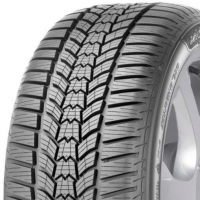
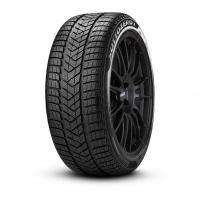
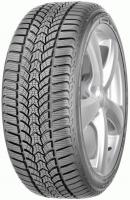
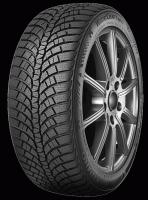
Hello.
I generally prefer Michelin tyres but in 2019 Goodyear Ultragrip Performance+ takes good results on tests and in addition this tyre is %25 cheaper than Michelin. If we compare Michelin Alpin 6 and Goodyear Ultragrip Performance+ which one will be your preference? why? do you have experinces about these 2 tyres?
Many thanks.
I use my car in Istanbul, and the tyre sizes are 215/55R17
I've not used either, but looking at the test data I would lean towards the Goodyear if it's 25% cheaper!
Hello! for 235/40R18, what would you choose between BF Goodrich g-force winter 2 and Hankook icept EVO2? I can only find info on RS2, but EVO2 not much. BF Goodrich is like 15 euro / tyre cheaper. Also, are the Hankooks actually that noisy or in reality not that unconfortable? I live in Romania, lately not much snow, only wet and dry, lets say 3-4 weeks of snow usually. Ty.
Can I nominate http://www.tyrereviews.co.u... instead?
You could, but its 130-150 Euros more / set (really close to Blizzaks and Continental ts850p). Anyway, bought the BF Goodrich 1 day ago, they seem decent enough so far.
The graphs are misleading, as (except for snow braking) they do not show zero. Minor differences look large if the graph shows only the leading edge of the data. In addition, there is no information regarding how the tests were done, how many times, and any error margins. From a scientific point of view these tests and the shown results are about as misleading as you could possibly make them. However good or bad each tyre might be, your tests show nothing believable. For example, if you reproduce the snow handling graph showing the data from zero, it would look just like the snow braking graph rather than the "image" of large differences.
Hi,
I am living in Athens Greece where the winders are mild but I am skiing and I want to have a second set of winder tires for January to March. But besides the days on the mountain where the conditions will be around 0 degrees with snow, during the everyday life this tires will cross mostly dry conditions with high temperatures for a snow tire (mostly above 10 degrees, some days even 20).
What is your recommendation where I should accommodate pure winder conditions and mild conditions as well?
Thanks!
any comment? thank you in advance!
Sorry for the delay in replying. For this, I'd probably consider the Continental Allseasoncontact or Ts860. I'd go for the all seasons if you'll be on mostly treated roads when skiing, or the winters if you will travel a little more off piste
thanks!!
I've seen many of your tests and I've read many articles regarding differences between premium and mid-range tyres. I still can't understand why in the world i would spend thousands on a premium tyres when i can buy lets say Apollo Aspire XP Winter tyre which costs half the price compared to GY, Conti etc and have only marginal differences in performances. I mean the differences are so minimal and hardly noticeable while the price gap is huge. What am i missing here? Thanks!
Half the price isn't quite right, we're tracking it at 75 vs 95 so not a massive difference, and the price charged reflects the quality of tyre, the new Aspire is an excellent midrange tyre!
Everyone can make their own choice based on the data and the local market pricing :)
--
To whom it may concern:
I just recently purchased the Continental WinterContact tires for my Volkswagen T-ROC 2.0 TDI 4MOTION. Do you recommend that I also buy chains for my all wheel drive car?
Sincerely,
Carlo Marcello Alberici
Hi,
It depends how much snow and ice you might encounter. I wouldn't worry too much about chains for most "normal" winter conditions if you have AWD and winter tyres.
funny review
7th: BFGoodrich gForce Winter 2
15th: Kleber Krisalp HP3
Same tyre different name (for different markets) and different positions from 7 to 15 :)
Hi, what tyre would you recommend bridgeston blizzak LM005 or goodyear performance+?
Don't use it much in snow condition.
The Goodyear is winning more tests this year
Thanks. In my size there is still only continental TS860. As GY are difficult to order, what would you recommend between TS850, LM005, nokian wr4 and michelin alpin 5?
Conti
Thank you
Hello,
this tyre test was for 225/45/17. I am driving Citroen C4 Grand Picasso (y. 2013) and the car has a tyre size 215/50/17.
Do this tests qualifie also for this tyre 215/50/17? Or should i look for other tests in this size?
Thank you...
Yes, there's normally a fairly large correlation
Hi,
I have seen winter test here lately, and there was so different results using nearly same tyres. What could be a truth of these? For example at Kleber Krisalp HP3
ADAC 2nd place
AUTOBILD 15th place
another AUTOBILD overview 8th place
Why could be so different results at same tyre?
Tyre size might be the biggest factor here, ADAC might have tested a size that's had a recent update, where as Autobild might have an older compound tyre. That said, with the results so close, many things can change the overall results.
Hi. Between the GY UG Performance+ and Vredestein Wintrac Pro ( 215/55/17 98V ) what would you choose? Where i live ( Romania ) we have max 2-3 weeks of snow in the winter season ( Nov - March ). Mostly dry and wet. Sometimes i go u to ski resorts, but i have a Passat 4motion, so traction would not be a great issue. I saw that Vredestein is doing better in dry and wet...
Suggestions? :)
Very difficult question! I'd likely pick the Goodyear, just because they're slightly newer. They both seem excellent choices.
Another interesting article thanks Jonathan.
The question of value really depends on the performance of tyres throughout their life. Michelin currently make a big play on their tyres performance down to 1.6mm and I keep coming back to this article:
http://www.tyrereviews.co.u...
But also in the original Autobild article:
https://www.autobild.de/bil...
Though my German language skills amount to relying on Mr Google my understanding is that apart from Michelin and Goodyear the other tyre makes don't perform in certain conditions below 4mm and even approaching that level their performance is failing off.
It's a shame that this all life data of tyre performance is not really available to Mr J Public.
Yor last link only mentioned All Season tyres.
This topic not so easy. Michelin published a report, made by Dekra and TÜV, on behalf of Michelin. A review with ~ 2mm and different winter tyres. Michelin is -who wonder- the winner, the looser of this review was Bridgestone LM001 Evo by far the worst performance.
But: Conti TS860, Dunlop Wintersport 5 and Goodyear Ultra Grip 9 weren´t far away.
But (2nd) only tested were traction and braking on snow. No handling, no other tests.
This report/review only shows: If you are on the way in a crowd in which all cars drive dangerously worn tires you are maybe have the best performance, but if there is also anyone with midrange winter tyres with more than 3mm you will loose ;)
That´s not enough to buy Michelin and drive it to 2mm.
In Germany the winter are also wet, raining, snow melting. It´s not funny to drive on german Autobahn in wet conditions with a 2mm tyre.
In the neighbor country Austria (where many germans make a trip to skiing) a winter tyre with less than 4mm is not recognized as a winter tyre, You have to pay a punishment from 35€ to 5000€(!).