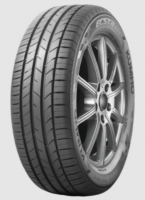
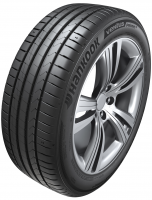
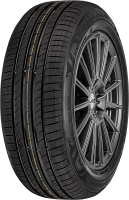
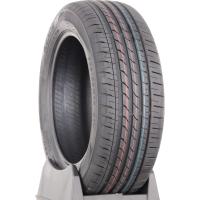
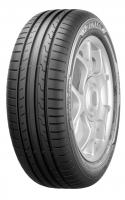
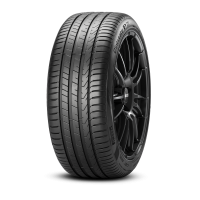
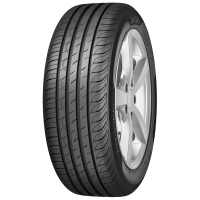
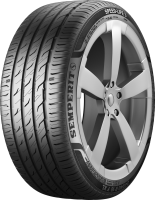
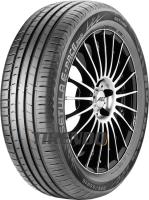
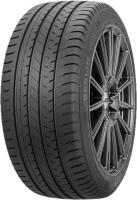
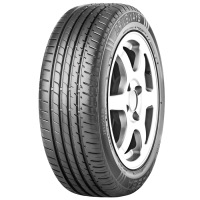
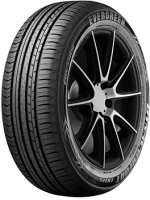
It's the 50th anniversary of the ADAC tyre test, and to celebrate the German automotive body have tested fifty summer tyres in the popular 205/55 R16 tyre size, and have included wear testing for every tyre!
There's a lot to unpack in this test, so we'll dive straight in! Headline notes, there are two Michelin tyres in this test, the Michelin Primacy 4+ and the energy saving Michelin e.Primacy, the Continental on test is not the new PremiumContact 7, it's the previous model, the Continental PremiumContact 6, and Continental also have the new Continental UltraContact in the test which is meant to be a lower rolling resistance and higher mileage tyre for those who drive a lot of distance!
Wear is a key quality of any tyre - what good is a tyre that has amazing grip if it only lasts a few thousand miles?! Road wear testing is incredibly expensive, and with 50 sets of tyres on test ADAC had to split the tyres between road and machine wearing with control tyres between the two to ensure data correlation.
As usual, Michelin led the wear test, but not with the tyre you'd expect. The Michelin e.Primacy, which starts with lower than average tread depth and is designed for very low fuel use (more on that later) recorded a staggering estimated 71,500kms tread life!
The second best tyre was the impressive Goodyear EfficientGrip Performance 2 which once again highlights the longevity of modern Goodyear products, and the low wearing Michelin Primacy 4+ was just beaten to third by the budget Doublecoin DC99. This also happens to be the best result for the Doublecoin, keep an eye on it later in the test.
Of the known brand names, it was a disappointing result for Uniroyal, Nokian and Dunlop, all projected to have less than half the miles of the best.
Wear
Spread: 48400.00 KM (67.7%)|Avg: 39478.00 KM
Predicted tread life in KM (Higher is better)
Michelin e.Primacy
71500.00 KM
Goodyear EfficientGrip Performance
65700.00 KM
Double Coin DC99
64800.00 KM
Michelin Primacy 4 Plus
61300.00 KM
Continental UltraContact
55900.00 KM
Continental Premium Contact 6
49700.00 KM
Kleber Dynaxer HP4
48000.00 KM
Fulda EcoControl HP2
47500.00 KM
Petlas Imperium PT515
47500.00 KM
ESA Tecar Spirit Pro
45700.00 KM
Debica Presto HP 2
45700.00 KM
Kumho Ecsta HS52
43500.00 KM
Hankook Ventus Prime 4
42200.00 KM
Toyo Proxes Comfort
41700.00 KM
Falken ZIEX ZE310 EcoRun
40800.00 KM
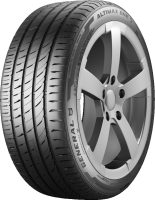
General Altimax One S
40800.00 KM
Bridgestone Turanza T005
40400.00 KM
Semperit Speed Life 3
40000.00 KM
Evergreen DynaComfort EH226
40000.00 KM
Viking Protech Newgen
40000.00 KM
Pirelli Cinturato P7 C2
39500.00 KM
Hifly HF201
39100.00 KM
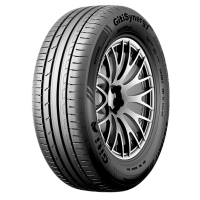
Giti GitiSynergyH2
38600.00 KM
Sava Intensa HP2
38600.00 KM
Firestone RoadHawk
38200.00 KM
Premiorri Solazo
37300.00 KM
BFGoodrich Advantage
37300.00 KM
King Meiler Sport 1 KM
36900.00 KM
Dunlop Sport BluResponse
36900.00 KM
Barum Bravuris 5HM
36000.00 KM
Norauto Prevensys 4
35500.00 KM
Nokian WetProof
35500.00 KM
Kenda Kenetica Pro KR210
35100.00 KM
GT Radial FE2
35100.00 KM
Minerva Radial 209
34600.00 KM
Riken Road Performance
33700.00 KM
Lassa DriveWays
33700.00 KM
Uniroyal RainSport 5
33300.00 KM
Berlin Tires Summer UHP 1 G2
33300.00 KM
Nexen N Fera Primus
33300.00 KM
Rotalla RH01 E Pace
32900.00 KM
Cooper Zeon CS8
31500.00 KM
Tomket Sport 3 Series 3
31500.00 KM
Apollo Alnac 4g
29700.00 KM
Delinte DH2
27500.00 KM
Westlake Z 107
27100.00 KM
Radar RPX800
27100.00 KM
Laufenn S Fit EQ Plus
25300.00 KM
Avon ZV7
24000.00 KM
Zeetex ZT1000
23100.00 KM
The advantage of having the prices of the tyres and estimated mileage, you can get an idea of the value of the tyres, based in Euros Per 1000km to see how much you get for your money.
As the Doublecoin was one of the best wearing AND one of the cheapest, it offered exceptional value, but we still wouldn't recommend fitting it unless you're really into sliding around. Of the good tyres on test, it was again the Goodyear and Michelin offering great cost per mile, but the Kumho Ecsta HS52 was up there in the mix too.
Often wear comes at the expense of wet grip, but once again Goodyear and Michelin (with the Primacy 4+ at least) are proving to break that trend. ADAC only published their wet braking data, of which they use two surfaces, asphalt and concrete. This is where the Michelin, Goodyear and Continental stretch their legs, but it was also a good grip result for the Cooper, Hankook and ESA Tecar on both surfaces.
Wet Braking
Spread: 24.90 M (72.4%)|Avg: 41.57 M
Wet braking in meters (80 - 0 km/h) (Lower is better)
Wet Braking: Safety Impact: Best vs Worst Tyre
Wet Braking - Concrete
Spread: 23.20 M (65.9%)|Avg: 41.06 M
Wet braking on Concrete in meters (80 - 0 km/h) (Lower is better)
Wet Braking - Concrete: Safety Impact: Best vs Worst Tyre
Straight aquaplaning was led by Uniroyal, with the Doublecoin and Michelin e.Primacy struggling. You can read the result of curved aquaplaning in the results table below.
Straight Aqua
Spread: 16.40 Km/H (18.9%)|Avg: 80.21 Km/H
Float Speed in Km/H (Higher is better)
Uniroyal RainSport 5
86.70 Km/H
Westlake Z 107
84.60 Km/H
Nokian WetProof
84.60 Km/H
Nexen N Fera Primus
84.50 Km/H
Kenda Kenetica Pro KR210
84.10 Km/H
Firestone RoadHawk
83.60 Km/H
Michelin Primacy 4 Plus
83.50 Km/H
Bridgestone Turanza T005
82.80 Km/H
Dunlop Sport BluResponse
82.50 Km/H
Giti GitiSynergyH2
82.40 Km/H
Avon ZV7
82.40 Km/H
Debica Presto HP 2
82.10 Km/H
Apollo Alnac 4g
81.90 Km/H
Kumho Ecsta HS52
81.90 Km/H
Pirelli Cinturato P7 C2
81.80 Km/H
Semperit Speed Life 3
81.80 Km/H
ESA Tecar Spirit Pro
81.50 Km/H
GT Radial FE2
81.50 Km/H
Sava Intensa HP2
81.30 Km/H
Kleber Dynaxer HP4
81.30 Km/H
BFGoodrich Advantage
81.30 Km/H
Cooper Zeon CS8
80.90 Km/H
Rotalla RH01 E Pace
80.80 Km/H
Fulda EcoControl HP2
80.80 Km/H
Lassa DriveWays
80.70 Km/H
Barum Bravuris 5HM
80.40 Km/H
Goodyear EfficientGrip Performance
80.30 Km/H
Norauto Prevensys 4
80.30 Km/H
Continental Premium Contact 6
80.30 Km/H
Minerva Radial 209
80.10 Km/H
Viking Protech Newgen
80.00 Km/H
King Meiler Sport 1 KM
79.90 Km/H
Falken ZIEX ZE310 EcoRun
79.70 Km/H
Riken Road Performance
79.60 Km/H
Zeetex ZT1000
79.30 Km/H
Petlas Imperium PT515
79.30 Km/H
Evergreen DynaComfort EH226
79.20 Km/H
Hifly HF201
79.20 Km/H
Radar RPX800
79.00 Km/H
Toyo Proxes Comfort
78.30 Km/H
Laufenn S Fit EQ Plus
78.10 Km/H
General Altimax One S
78.10 Km/H
Hankook Ventus Prime 4
77.60 Km/H
Tomket Sport 3 Series 3
77.30 Km/H
Delinte DH2
77.20 Km/H
Continental UltraContact
76.50 Km/H
Berlin Tires Summer UHP 1 G2
75.00 Km/H
Michelin e.Primacy
72.80 Km/H
Premiorri Solazo
71.30 Km/H
Double Coin DC99
70.30 Km/H
Dry
Continental once again led the way in dry braking, narrowly beating out the Hankook and Michelin e.Primacy.
Dry Braking
Spread: 7.00 M (19.5%)|Avg: 38.92 M
Dry braking in meters (100 - 0 km/h) (Lower is better)
Dry Braking: Safety Impact: Best vs Worst Tyre
Environment
As the environmental impact of all industry is becoming ever more important, the big tyre tests are now measuring "abrasion" which is how much rubber, measured in weight, the tyre loses. While a high mileage tyre should lead in this category, it isn't always a straight correlation as the tyres have different amounts of material in them.
The best in test was the e.Primacy, and ignoring the budget Michelin also did very well with the Primacy 4+, but Continentals new high mileage tyre, the UltraContact, also performed extremely well.
Abrasion
Spread: 91.20 mg/km/t (262.1%)|Avg: 78.29 mg/km/t
Weight of Tyre Wear Particles Lost (mg/km/t) (Lower is better)
Michelin e.Primacy
34.80 mg/km/t
Double Coin DC99
45.90 mg/km/t
Continental UltraContact
52.50 mg/km/t
Michelin Primacy 4 Plus
53.70 mg/km/t
Goodyear EfficientGrip Performance
61.30 mg/km/t
Kleber Dynaxer HP4
63.50 mg/km/t
Riken Road Performance
67.00 mg/km/t
Hankook Ventus Prime 4
67.60 mg/km/t
Firestone RoadHawk
68.70 mg/km/t
Continental Premium Contact 6
69.50 mg/km/t
Fulda EcoControl HP2
70.10 mg/km/t
BFGoodrich Advantage
71.20 mg/km/t
Evergreen DynaComfort EH226
72.20 mg/km/t
Petlas Imperium PT515
72.60 mg/km/t
Rotalla RH01 E Pace
73.30 mg/km/t
Bridgestone Turanza T005
73.30 mg/km/t
Hifly HF201
73.60 mg/km/t
Minerva Radial 209
73.60 mg/km/t
Premiorri Solazo
74.00 mg/km/t
Debica Presto HP 2
74.00 mg/km/t
ESA Tecar Spirit Pro
74.30 mg/km/t
Tomket Sport 3 Series 3
75.70 mg/km/t
Falken ZIEX ZE310 EcoRun
75.70 mg/km/t
General Altimax One S
75.70 mg/km/t
Toyo Proxes Comfort
75.90 mg/km/t
Lassa DriveWays
76.10 mg/km/t
Viking Protech Newgen
78.20 mg/km/t
King Meiler Sport 1 KM
78.90 mg/km/t
Semperit Speed Life 3
79.30 mg/km/t
Kumho Ecsta HS52
79.30 mg/km/t
Berlin Tires Summer UHP 1 G2
80.00 mg/km/t
Dunlop Sport BluResponse
80.20 mg/km/t
Giti GitiSynergyH2
80.60 mg/km/t
Sava Intensa HP2
81.40 mg/km/t
Barum Bravuris 5HM
81.70 mg/km/t
Pirelli Cinturato P7 C2
82.10 mg/km/t
GT Radial FE2
83.80 mg/km/t
Kenda Kenetica Pro KR210
87.00 mg/km/t
Apollo Alnac 4g
87.30 mg/km/t
Nexen N Fera Primus
88.10 mg/km/t
Nokian WetProof
90.90 mg/km/t
Westlake Z 107
92.20 mg/km/t
Uniroyal RainSport 5
93.20 mg/km/t
Norauto Prevensys 4
94.30 mg/km/t
Delinte DH2
96.10 mg/km/t
Laufenn S Fit EQ Plus
96.80 mg/km/t
Cooper Zeon CS8
97.70 mg/km/t
Radar RPX800
101.00 mg/km/t
Zeetex ZT1000
112.60 mg/km/t
Avon ZV7
126.00 mg/km/t
Fuel consumption was measured in a real world test rather than a machine rolling resistance test, and, well, there was a disappointingly small range of results. The total spread was 5.5 litres per 100km to 5.9 litres per 100km.
Given the relatively small real world advantage a tyre like the e.Primacy has in this test over a tyre like the Bridgestone Turanza T005, but the large disadvantage it has in wet grip, it makes me wonder if ultra low rolling resistance tyres are really the correct choice for anyone.
Fuel Consumption
Spread: 0.40 l/100km (7.3%)|Avg: 5.74 l/100km
Fuel consumption in Litres per 100 km (Lower is better)
Michelin e.Primacy
5.50 l/100km
King Meiler Sport 1 KM
5.50 l/100km
Tomket Sport 3 Series 3
5.60 l/100km
Barum Bravuris 5HM
5.60 l/100km
Bridgestone Turanza T005
5.60 l/100km
Lassa DriveWays
5.60 l/100km
ESA Tecar Spirit Pro
5.60 l/100km
Delinte DH2
5.60 l/100km
Double Coin DC99
5.60 l/100km
Giti GitiSynergyH2
5.70 l/100km
Nexen N Fera Primus
5.70 l/100km
Sava Intensa HP2
5.70 l/100km
Pirelli Cinturato P7 C2
5.70 l/100km
GT Radial FE2
5.70 l/100km
BFGoodrich Advantage
5.70 l/100km
Continental UltraContact
5.70 l/100km
General Altimax One S
5.70 l/100km
Kenda Kenetica Pro KR210
5.70 l/100km
Berlin Tires Summer UHP 1 G2
5.70 l/100km
Riken Road Performance
5.70 l/100km
Zeetex ZT1000
5.70 l/100km
Minerva Radial 209
5.70 l/100km
Rotalla RH01 E Pace
5.70 l/100km
Dunlop Sport BluResponse
5.70 l/100km
Apollo Alnac 4g
5.70 l/100km
Goodyear EfficientGrip Performance
5.70 l/100km
Kleber Dynaxer HP4
5.70 l/100km
Toyo Proxes Comfort
5.80 l/100km
Norauto Prevensys 4
5.80 l/100km
Radar RPX800
5.80 l/100km
Westlake Z 107
5.80 l/100km
Hankook Ventus Prime 4
5.80 l/100km
Michelin Primacy 4 Plus
5.80 l/100km
Premiorri Solazo
5.80 l/100km
Fulda EcoControl HP2
5.80 l/100km
Semperit Speed Life 3
5.80 l/100km
Avon ZV7
5.80 l/100km
Evergreen DynaComfort EH226
5.80 l/100km
Continental Premium Contact 6
5.80 l/100km
Laufenn S Fit EQ Plus
5.80 l/100km
Viking Protech Newgen
5.80 l/100km
Nokian WetProof
5.80 l/100km
Cooper Zeon CS8
5.90 l/100km
Debica Presto HP 2
5.90 l/100km
Hifly HF201
5.90 l/100km
Kumho Ecsta HS52
5.90 l/100km
Firestone RoadHawk
5.90 l/100km
Uniroyal RainSport 5
5.90 l/100km
Petlas Imperium PT515
5.90 l/100km
Falken ZIEX ZE310 EcoRun
5.90 l/100km
19,000 km
£1.45/L
8.0 L/100km
--
Annual Difference
--
Lifetime Savings
--
Extra Fuel/Energy
--
Extra CO2
Estimates based on typical driving conditions. Rolling resistance accounts for approximately 20% of IC vehicle fuel consumption and 25% of EV energy consumption. Actual savings vary based on driving style, vehicle weight, road conditions, and tyre age. For comparative purposes only. Lifetime savings based on a 40,000km / 25,000 mile tread life.
Finally external noise was measured, but for the sake of avoiding another long chart, you can find the data below. The e.Primacy was impressively quiet, and the Petlas impressively loud!
Results
You can find the full results below, with some of the testers notes on key tyres. If you want to see the full test we strongly suggest you learn German and head over to the ADAC website here.
Very balanced, good on dry and wet roads, good environmental record, very high mileage (top grade), efficient.
None mentioned.
Driving safety: The Goodyear Efficient Grip Performance 2 secures an overall good rating for driving safety. It offers the driver decent feedback on the steering wheel on dry roads, shows itself to be safe at the limit and boasts an above-average braking distance on dry roads. On wet roads, the Goodyear Efficient Grip Performance 2 shines in braking distance measurements and wet handling with good grip and safe drivability. Only when it comes to aquaplaning behavior does it not get beyond a satisfactory rating.
Environmental balance: In the environmental balance, the Goodyear Efficient Grip Performance 2 scores with above-average mileage in the wear test and low abrasion. The efficiency is also impressive thanks to the low tire weight and low fuel consumption. When it comes to noise, the Goodyear performs satisfactorily.
Very balanced, high driving safety (top mark), good on dry and wet roads (top marks), high mileage.
Weaknesses in efficiency.
Driving safety: The Continental PremiumContact 6 is impressive across the board and secured the top mark in the test for driving safety. It offers the driver good feedback on the steering wheel on dry roads, shows itself to be safe at the limit and claims the shortest braking distance in the test. This means that its performance on dry roads is clearly rated as good. But the Continental also shines with its performance on wet roads and also secured the top mark in the test here. It delivers the shortest braking distances in the test and is absolutely safe and easy to control over the wet handling course. Only when it comes to aquaplaning does it not get beyond a satisfactory rating.
Environmental balance: In terms of the environmental balance, the PremiumContact 6 just missed out on a good rating. In the wear test, it delivers a good predicted mileage and its abrasion is also low, in terms of efficiency it just misses a good rating due to the tyre weight. When it comes to noise, it also performs satisfactorily.
Very balanced, good on dry and wet roads, good environmental record, very high mileage (top grade.)
None mentioned.
Driving safety: The Michelin Primacy 4+ secures an overall good rating for driving safety. The Michelin already offers the driver only satisfactory feedback on the steering wheel on a dry road, but still shows itself to be safe in the limit area. Its braking distance is classified as good compared to the test field. On wet roads, the Michelin gets good ratings in terms of braking distance measurements, aquaplaning behavior and handling. This makes it very balanced on wet roads. It offers good grip and safe driving characteristics.
Environmental balance: In the environmental balance, the Primacy 4+ secures the second best rating in the test (best: Michelin e.Primacy). Its predicted mileage is classified as very good and its abrasion is also low.
Balanced, good on dry and wet roads, good environmental balance, high efficiency (top mark.)
None mentioned.
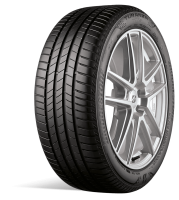
Driving safety: The Bridgestone Turanza T005 secures an overall good rating for driving safety. The Bridgestone Turanza T005 offers the driver decent feedback on the steering wheel on dry roads, shows itself to be safe at the limit and boasts a short braking distance on dry roads. On wet roads, the Bridgestone excels in braking distance measurements, longitudinal aquaplaning and wet handling with good grip and safe drivability. Only when aquaplaning transversely does it not get beyond a satisfactory rating.
Environmental balance: The Bridgestone Turanza T005 achieves a good result in the environmental balance. It shines in terms of efficiency thanks to its low weight and fuel consumption, but its predicted mileage is rated as just good.
Weakness in the environmental balance, weaknesses in mileage and abrasion, slight weaknesses in sustainability.
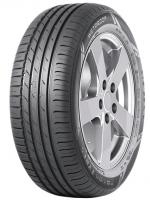
Driving safety: The Nokian Wetproof impresses with its driving characteristics and thus secures a good rating for driving safety. It offers the driver good feedback on the steering wheel on dry roads, is absolutely safe at the limit and also impresses with short braking distances on dry roads. Overall, its performance on dry roads is clearly rated as good. But the Nokian also offers good properties on wet roads. It has good ratings for braking distance measurements, longitudinal aquaplaning and handling. Only in lateral aquaplaning does it not get beyond a satisfactory rating.
Environmental balance: In terms of environmental balance, the Wetproof does not get more than a satisfactory rating. Both its predicted mileage and its abrasion are classified as only satisfactory in relation to the test field. Thanks to the low tire weight and low fuel consumption, however, it achieves a good rating for efficiency.
Slight weaknesses in the environmental balance, weakness in efficiency, weaknesses in sustainability.
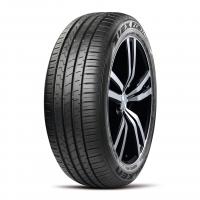
Driving safety: The Falken ZIEX ZE310 ECORUN sets the bar high on dry roads and also secures a good rating on wet roads, which leads to a good assessment of driving safety. The Falken secured the top mark in the test on dry roads. It offers the driver exemplary feedback on the steering wheel, is absolutely safe at the limit and also impresses with a short braking distance. The Falken ZIEX ZE310 ECORUN also gets a good rating on wet roads. It gets good ratings for braking distance measurements, lateral aquaplaning and wet handling. The test car can be driven safely and easily controlled over the course. Only in lateral aquaplaning does it not get beyond a satisfactory rating.
Environmental balance: When it comes to the environmental balance, the ZIEX ZE310 does not get more than a satisfactory result. It does get good ratings for its predicted mileage and abrasion, but since it's quite heavy in comparison, it doesn't get more than a satisfactory rating for efficiency. In terms of sustainability, the tire produced in Turkey does not go beyond an adequate assessment.
Balanced, good on dry roads, good environmental record, very high mileage.
Slight weakness on wet roads.
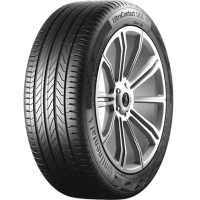
Driving safety: The Continental UltraContact is rated as just satisfactory when it comes to driving safety. The UltraContact offers the driver satisfactory feedback on the steering wheel on a dry road, but is still safe at the limit. Thanks to its short braking distance, it can still secure a good overall rating on dry roads. On wet roads, however, the UltraContact does not get more than a satisfactory rating. Although it scores in the braking distance measurements and also in handling with good grip and safe driving characteristics, it falters when it comes to aquaplaning. In the case of longitudinal aquaplaning, he does not get more than a satisfactory result, and in the case of transverse aquaplaning, even more than an adequate result.
Environmental balance: In the environmental balance, the UltraContact secures one of the best results in the test. His predicted mileage is classified as very good, and he only just misses a very good rating for wear. The tire also scores with its low weight and low fuel consumption.
Slight weaknesses in the environmental balance, weaknesses in efficiency, weaknesses in sustainability.
Driving safety: The Kumho Ecsta HS52 secures an overall good rating for driving safety. The HS52 offers the driver only satisfactory feedback on the steering wheel on dry roads, but is still safe at the limit. Its braking distance is classified as good compared to the test field. On wet roads, the Kumho Ecsta HS52 scores in the braking distance measurements, longitudinal aquaplaning and wet handling with good grip and safe drivability. However, its transverse aquaplaning behavior is only rated as satisfactory. Overall, the Kumho secured a good rating for wet performance.
Environmental balance: When it comes to the environmental balance, the Kumho does not get more than a satisfactory result. Although it scores in terms of predicted mileage and abrasion, but offers only satisfactory efficiency due to the higher tire weight. In terms of sustainability, the tire produced in China is rated as sufficient.
Slight weakness when aquaplaning, slight weaknesses in the environmental balance, weaknesses in efficiency.
Driving safety: The Hankook Ventus Prime4 secured a good overall rating for driving safety. The Ventus Prime 4 offers the driver satisfactory feedback on the steering wheel on dry roads, but is still safe at the limit. Its braking distance is classified as good compared to the test field. On wet roads, the Hankook Ventus Prime 4 scores in braking distance measurements and in wet handling with good grip and safe drivability. However, its aquaplaning behavior is only rated as satisfactory. Overall, the Hankook secured a good rating for wet performance.
Environmental balance: In the environmental balance, the Ventus Prime4 gets a good rating for the predicted mileage and for its abrasion. In terms of efficiency, on the other hand, it loses out due to its relatively high weight. All in all, it does not go beyond a satisfactory result in terms of the environmental balance.
Weakness in the environmental balance, weaknesses in mileage, slight weaknesses in sustainability.
Driving Safety: The Nexen N'Fera Primus secures an overall good rating for driving safety. The Nexen offers the driver good feedback on the steering wheel on dry roads and is still safe even at the limit. In addition, its braking distance is rated as good compared to the test field. On wet roads, the N'Fera Primus gets good ratings for both braking distance measurements and aquaplaning behavior. In terms of handling, the Nexen just missed out on a good rating. All in all, it is still enough for a good assessment of the wet performance.
Environmental balance: In terms of environmental balance, the Nexen does not get more than a satisfactory result. Both its predicted mileage and its abrasion are classified as satisfactory.
Not quite balanced, weaknesses in the environmental balance, relatively low mileage (devaluation), significant weakness in sustainability.
Driving safety: The Kenda Kenetica Pro KR210 secures an overall good rating for driving safety. The Kenda offers the driver good feedback on the steering wheel on dry roads and is also safe at the limit. In addition, its braking distance is rated as good compared to the test field. On wet roads, the Kenetica Pro KR210 missed a good rating in the braking distance measurements, but was able to secure good marks in aquaplaning behavior and handling. All in all, it is enough for a still good assessment of the wet performance.
Environmental balance: When it comes to the environmental balance, the Kenda does not get beyond a satisfactory result. Both its predicted mileage and its abrasion are classified as satisfactory. In terms of sustainability, the tire produced in Taiwan is rated as sufficient.
Good for the environmental balance, good for mileage, abrasion and efficiency.
Not quite balanced, weakness on wet roads.
Driving Safety: The driving safety of the Kleber Dynaxer HP4 does not go beyond a satisfactory rating. It offers the driver only average feedback on the steering wheel on dry roads and could prove to be a bit more stable during dynamic evasive maneuvers. Its braking distance is still classified as good, but overall it just misses out on a good rating on dry roads. On wet roads, the Kleber Dynaxer HP4 does not get more than a satisfactory rating either. Although it scored well in the aquaplaning tests, it only performed satisfactorily in the braking distance measurements and handling. It lacks a bit of grip and precision for a better rating.
Environmental balance: In the environmental balance, the Dynaxer HP4 secures a good result in the test. Both its predicted mileage and its abrasion are rated as good. The tire also scores with its low fuel consumption, but it just misses out on a good rating in terms of weight.
Good for the environment, good for mileage, abrasion and efficiency.
Not quite balanced, weakness on wet roads.
Driving safety: The Fulda EcoControl HP2 can get a good rating on dry roads, but it does not get more than a satisfactory rating in the wet and thus overall driving safety. Overall, the Fulda still achieves a good rating on dry roads. Although it only offers the driver satisfactory feedback on the steering wheel, it is still safe at the limit. Its braking distance is also classified as clearly good compared to the test field. The EcoControl HP2 misses out on a good rating on wet roads. Although it can show good results in aquaplaning behavior, it does not get more than a satisfactory rating in wet braking and handling. It offers a medium level of grip and can only satisfactorily combine longitudinal and lateral forces.
Environmental balance: In the environmental balance, the EcoControl HP2 secures a good result in the test. Both its predicted mileage and its abrasion are rated as good. In addition, it can also get a good result with its low fuel consumption and low weight in terms of efficiency.
Still good on dry roads, good environmental balance.
Not quite balanced, slight weakness on wet roads (devaluation), significant weakness in sustainability
Driving safety: The Toyo Tires Proxes Comfort just missed out on a good result when it came to driving safety. The Toyo Tires Proxes Comfort offers the driver only average feedback on the steering wheel on dry roads, but still shows itself to be safe in the limit area. Thanks to its short braking distance, the Toyo Tires Proxes Comfort just about got a good rating for dry performance. The Toyo Tires Proxes Comfort narrowly missed out on a good rating on wet roads. Its performance is rated as satisfactory for both braking distance and aquaplaning measurements. In wet handling he still gets good ratings, but overall that's not enough to get a good result in the wet.
Environmental balance: In the environmental balance, the Proxes Comfort secured a good result in the test. Both its predicted mileage and its abrasion are rated as good. In addition, it can also get a good result with its low fuel consumption and low weight in terms of efficiency. In terms of sustainability, the tire produced in Japan does not go beyond a sufficient result.
Good environmental record, good for mileage, abrasion and efficiency.
Not quite balanced, weakness on wet roads.
Driving safety: The Debica Presto HP 2 does not get more than a satisfactory rating in either dry or wet conditions and therefore also overall in terms of driving safety. The Debica offers the driver only satisfactory feedback on the steering wheel on dry roads, so that it is difficult to set the steering angle required for the curve right away. But its handling at the limit is only classified as satisfactory. After all, he can get a good rating for the braking distance. On wet roads, the Debica Presto HP 2 does not get more than a satisfactory rating either. Although the tire received good ratings for its aquaplaning behavior, its properties in braking tests and handling were only rated as satisfactory. It offers a medium level of grip and can only satisfactorily combine longitudinal and lateral forces.
Environmental balance: In the environmental balance, the Presto HP 2 secures a good result in the test. Both its predicted mileage and its abrasion are rated as good. In addition, it can also get a good result with its fuel consumption and low weight in terms of efficiency.
Good on dry roads, still good for mileage and efficiency.
Not quite balanced, weaknesses on wet roads, weaknesses in the environmental balance, slight weakness in abrasion (devaluation.)
Driving safety: The Pirelli Cinturato P7 C2 is rated as just satisfactory in terms of driving safety due to its wet properties. The Pirelli Cinturato P7 C2 offers the driver good feedback on the steering wheel on dry roads, can be steered precisely and is safe even at the limit. In addition, it can score with its short braking distance and thus secures a good rating for dry performance. On wet roads, however, the Pirelli Cinturato P7 C2 does not go beyond a satisfactory verdict. Although it scored well in the aquaplaning tests and secured good ratings, it was only satisfactory in the braking distance measurements and handling. It offers a medium level of grip and can only satisfactorily combine longitudinal and lateral forces.
Environmental balance: The Cinturato P7 C2 also missed out on a good result in terms of the environmental balance. His predicted mileage is still rated as good, but he does not get more than a satisfactory result when it comes to abrasion. It doesn't help that its fuel consumption and weight are rated as good.
Less balanced, significant weaknesses on dry roads (devaluation), weakness in environmental performance and sustainability, low mileage, high fuel consumption.
Driving safety: The Uniroyal RainSport 5 is only rated as satisfactory for driving safety due to its dry properties. The RainSport 5 only offers the driver sufficient feedback on the steering wheel on a dry road and also receives an adequate rating for its handling at the limit - in the event of sudden evasive maneuvers, the test car tends to oversteer with the tires, but skilful steering maneuvers can prevent skidding. When it comes to the braking distance, the Uniroyal can secure a good mark with a short value. Overall, its drying properties are classified as satisfactory. On wet roads, the Uniroyal RainSport 5 receives very good ratings for its aquaplaning behavior, for its braking performance and its behavior in wet handling, thanks to good grip and safe and precise driveability, good reviews. Overall, the overall wet performance is rated as good.
Environmental balance: In terms of environmental balance, the Uniroyal RainSport 5 is also clearly rated as satisfactory. Both its predicted mileage and its abrasion are classified as satisfactory. The efficiency is still rated as good thanks to the relatively low fuel consumption and weight.
Very good environmental balance, best sustainability, very high mileage (top grade), very little abrasion (top mark), light and very economical (top mark)
Unbalanced, weaknesses on dry and particularly wet roads (devaluation.)
Driving safety: The Michelin e.Primacy is rated as sufficient for driving safety due to its wet performance. The Michelin e.Primacy offers the driver satisfactory feedback on the steering wheel on dry roads and does not get more than a satisfactory rating when driving at the limit. When it comes to the braking distance, however, the tire scores well and even gets a good rating for it. All in all, however, it does not get more than a satisfactory result in terms of dry performance. On wet roads, the e.Primacy shows clear weaknesses compared to the test field. Its braking, aquaplaning and handling performance is rated as only adequate. The tire can only moderately combine longitudinal and lateral forces, which means that the test car can only be controlled imprecisely and in the limit area with great difficulty. Overall, the wet performance is rated as sufficient.
Environmental balance: In terms of environmental balance, the e.Primacy sets the standard in the test field. It offers a very high predicted mileage, gets a very good rating for the lowest wear and also scores points in terms of efficiency with very low fuel consumption and low tire weight. The Michelin e.Primacy also sets the bar high when it comes to sustainability and is the only tire that just barely misses a good rating. It offers a very high predicted mileage, gets a very good rating for the lowest wear and also scores points in terms of efficiency with very low fuel consumption and low tire weight. The Michelin e.Primacy also sets the bar high when it comes to sustainability and is the only tire that just barely misses a good rating. It offers a very high predicted mileage, gets a very good rating for the lowest wear and also scores points in terms of efficiency with very low fuel consumption and low tire weight. The Michelin e.Primacy also sets the bar high when it comes to sustainability and is the only tire that just barely misses a good rating.
We like this simple chart explanation. As a Athens concrete contractor , our work also needs good testing and data. The picture helps kids and adults understand. We think learning about tires is helpful and fun.
Question cannot find answer: When / why do tire mfg companies no longer show both min psi with the max psi. While I understand one tire may max at 51psi but asked to inflate to your own car guide (like 32-34psi), there must be a minimum psi that the mfg would say its my falt for driving (say at 20psi) where the integeraty of the tire would be challenged.
That's a good question I don't know the answer to.
At a guess, the biggest issue with low PSI is the tyre debeading from the rim, so perhaps manufacturers don't want the liability of saying for example 20psi and the tyre comes off the rim at 22psi due to poor wheel or big impact.
really liked your video testing the impact of adding weight to pickup truck rear axle. I think that it would be a very interesting and popular video if you performed a similar test on a FWD vehicle to evaluate how adding mass over the rear axle affects braking distances on snow or ice. There just does not seem to be a solid answer to this question, and therefore actual testing would be very valuable info. I think it would be most useful if the test was performed with snow tires installed, and even better if the effect of studded tires could also be included as an additional variable (could potentially change the results of the added mass). Thanks
That's certainly an interesting test idea, but I'm not sure I've ever heard anyone suggest adding weight to the boot of a FWD vehicle so I'm not sure how relevant it would be.
Thanks for the reply. I think that if you google this question you can actually find tons and tons of online conversations and debate regarding this question, along with tons of opinions for or against. Lots of people do add weight to the trunk of FWD vehicles hoping to increase rear wheel braking grip and reduce the risk of having the rear swing out. Maybe its a Canadian/Nordic thing?. The problem is that it is not completely obvious if this is net beneficial, or if the extra inertia completely offsets the benefit of the extra traction.
Sadly, once again, they sort of set wear above safety making the test nice for fleet managers but bad news for customers.
What is the true average annual mileage of a privately owned car in central Europe? Around 10.000 km / year, there are some drivers that do more and there are many more that do even less. I'm talking about private, not company cars. Let's get back to the average. Say, 4k km are done on winter set, so 6.000 km / year on summer tyres. There is absolutely no chance those like the Goodyears would be worn out unless being absolute threat to everything on the road after ten or even more years. Actually they will be unsafe in half the time (own experience with previous Goodyear Efficientgrip Performance model - great when new, completely lost traction after five years causing extremely extended braking distances and wheel spinning on slippery surfaces even for cautious and gentle drivers. Borrowed a pair of new, confirmed the old tyres to be the problem, so they had to go. Who would voluntarily reaplce tyres with still half of tread depth as I did?
Currently I am using Nokian Wetproof (which are praised for braking distances and excellent wet and dry grip which I can confirm) but these (and Vredestein Ultrac) are usually devaluated for low expected mileage around 30.000 km. Honestly, I'd happily replace worn tyres every five or six years if they are as safe as when new instead of being rear-ended by hypermilers with 'eternal' Michelin or Goodyear on traffic lights.
Sadly, such pressure on extreme wear durability inevitably leads to tyres being worse and less safe for private customers.
Interesting comment, thanks for sharing. I think in the UK the average mileage is around 10,000 miles, so 16,000km and there's no switch to a winter tyre for 98% of people. That means 80,000km is achievable in the 5 year recommended life of a tyre.
How these tyres perform after 5 years at 2mm is another question that's sadly very hard to answer.
Nokian tyres are usually pretty safe bet overall, and especially for those whose mileage is low. If one really wants to maintain maximum safety, they need to have over 3mm tread left and tyre shouldn't be more than 4 years old*. Maybe even less if they are exposed to sunlight 365 days a year. So, if your mileage is low, and tyre does not wear too much on that 3-4 years period, you are good to go, but if your mileage is high (some people actually drive 30k, even 50k in one summer), you probably want to get one of those more durable tyres.
*) I always have this at minimum on our family car...but my "commuter" can have anything, because I don't have to drive it on highway.
That's a lot of data to digest! At ADAC's link we've got at the page's bottom the test pdf's where there's even more data relating to dry and wet performance, the way ADAC usually presents it. Unfortunately, they went through a lot of effort and money to test all these tyres when they could have tested a smaller amount of them but of many different premium and budgets models (and even different weight/speed indexes for each model). For instance: the Contis EC5, EC6, PC5, Michelin Pilot Sport 4, Primacy 4, Goodyear EGP, Hankook Prime 3, Pirelli Cinturato P1 Verde, Bridgestone Ecopia EP150 and Turanza ECO, Maxxis Premitra HP5 and Mecotra 3, Falken Sincera SN832, Yokohama BluEarth GT and BluEarth-ES, Vredestein Ultra, etc. So much money wasted in so many crappy tyres!... Maybe I'm being ungrateful, but on my opinion, this is not a great way to celebrate 50 years of tyre testing!
Two things: first, the performance of the P7C2 is oddly out of alignment with TR's own assessment; second, might we have the descriptive commentary for the other tyres?
I meant to write something about that in the article, I guess I forgot. We got the new compound P7C2, ADAC didn't as they tested before us.
You can find the descriptive commentary on the ADAC site linked just above the results, I sadly don't have the time to copy and paste it across, it's surprisingly time consuming :) I'll try and get it added in the coming weeks.


 It's the 50th anniversary of the ADAC tyre test, and to celebrate the German automotive body have tested fifty summer tyres in the popular 205/55 R16 tyre size, and have included wear testing for every tyre!

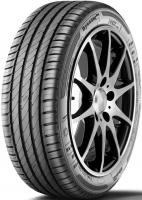
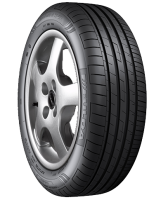
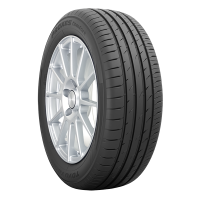
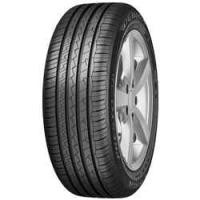
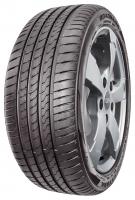
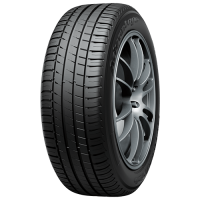
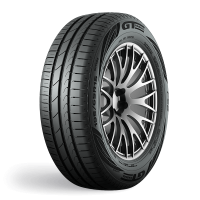
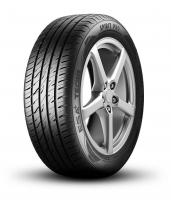
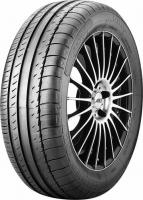
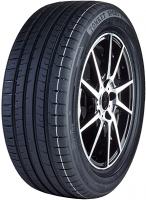
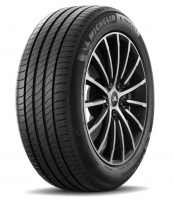
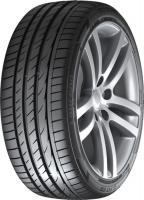
We like this simple chart explanation. As a Athens concrete contractor , our work also needs good testing and data. The picture helps kids and adults understand. We think learning about tires is helpful and fun.
Yokohama GLING GLING!!
Question cannot find answer: When / why do tire mfg companies no longer show both min psi with the max psi.
While I understand one tire may max at 51psi but asked to inflate to your own car guide (like 32-34psi), there must be a minimum psi that the mfg would say its my falt for driving (say at 20psi) where the integeraty of the tire would be challenged.
That's a good question I don't know the answer to.
At a guess, the biggest issue with low PSI is the tyre debeading from the rim, so perhaps manufacturers don't want the liability of saying for example 20psi and the tyre comes off the rim at 22psi due to poor wheel or big impact.
really liked your video testing the impact of adding weight to pickup truck rear axle. I think that it would be a very interesting and popular video if you performed a similar test on a FWD vehicle to evaluate how adding mass over the rear axle affects braking distances on snow or ice. There just does not seem to be a solid answer to this question, and therefore actual testing would be very valuable info. I think it would be most useful if the test was performed with snow tires installed, and even better if the effect of studded tires could also be included as an additional variable (could potentially change the results of the added mass). Thanks
That's certainly an interesting test idea, but I'm not sure I've ever heard anyone suggest adding weight to the boot of a FWD vehicle so I'm not sure how relevant it would be.
Thanks for the reply. I think that if you google this question you can actually find tons and tons of online conversations and debate regarding this question, along with tons of opinions for or against. Lots of people do add weight to the trunk of FWD vehicles hoping to increase rear wheel braking grip and reduce the risk of having the rear swing out. Maybe its a Canadian/Nordic thing?. The problem is that it is not completely obvious if this is net beneficial, or if the extra inertia completely offsets the benefit of the extra traction.
Thanks for such epic test.
If EC6 join these test will be better
Sadly, once again, they sort of set wear above safety making the test nice for fleet managers but bad news for customers.
What is the true average annual mileage of a privately owned car in central Europe? Around 10.000 km / year, there are some drivers that do more and there are many more that do even less. I'm talking about private, not company cars. Let's get back to the average. Say, 4k km are done on winter set, so 6.000 km / year on summer tyres. There is absolutely no chance those like the Goodyears would be worn out unless being absolute threat to everything on the road after ten or even more years. Actually they will be unsafe in half the time (own experience with previous Goodyear Efficientgrip Performance model - great when new, completely lost traction after five years causing extremely extended braking distances and wheel spinning on slippery surfaces even for cautious and gentle drivers. Borrowed a pair of new, confirmed the old tyres to be the problem, so they had to go. Who would voluntarily reaplce tyres with still half of tread depth as I did?
Currently I am using Nokian Wetproof (which are praised for braking distances and excellent wet and dry grip which I can confirm) but these (and Vredestein Ultrac) are usually devaluated for low expected mileage around 30.000 km. Honestly, I'd happily replace worn tyres every five or six years if they are as safe as when new instead of being rear-ended by hypermilers with 'eternal' Michelin or Goodyear on traffic lights.
Sadly, such pressure on extreme wear durability inevitably leads to tyres being worse and less safe for private customers.
Interesting comment, thanks for sharing. I think in the UK the average mileage is around 10,000 miles, so 16,000km and there's no switch to a winter tyre for 98% of people. That means 80,000km is achievable in the 5 year recommended life of a tyre.
How these tyres perform after 5 years at 2mm is another question that's sadly very hard to answer.
Nokian tyres are usually pretty safe bet overall, and especially for those whose mileage is low. If one really wants to maintain maximum safety, they need to have over 3mm tread left and tyre shouldn't be more than 4 years old*. Maybe even less if they are exposed to sunlight 365 days a year. So, if your mileage is low, and tyre does not wear too much on that 3-4 years period, you are good to go, but if your mileage is high (some people actually drive 30k, even 50k in one summer), you probably want to get one of those more durable tyres.
*) I always have this at minimum on our family car...but my "commuter" can have anything, because I don't have to drive it on highway.
That's a lot of data to digest! At ADAC's link we've got at the page's bottom the test pdf's where there's even more data relating to dry and wet performance, the way ADAC usually presents it. Unfortunately, they went through a lot of effort and money to test all these tyres when they could have tested a smaller amount of them but of many different premium and budgets models (and even different weight/speed indexes for each model). For instance: the Contis EC5, EC6, PC5, Michelin Pilot Sport 4, Primacy 4, Goodyear EGP, Hankook Prime 3, Pirelli Cinturato P1 Verde, Bridgestone Ecopia EP150 and Turanza ECO, Maxxis Premitra HP5 and Mecotra 3, Falken Sincera SN832, Yokohama BluEarth GT and BluEarth-ES, Vredestein Ultra, etc. So much money wasted in so many crappy tyres!... Maybe I'm being ungrateful, but on my opinion, this is not a great way to celebrate 50 years of tyre testing!
Two things: first, the performance of the P7C2 is oddly out of alignment with TR's own assessment; second, might we have the descriptive commentary for the other tyres?
I meant to write something about that in the article, I guess I forgot. We got the new compound P7C2, ADAC didn't as they tested before us.
You can find the descriptive commentary on the ADAC site linked just above the results, I sadly don't have the time to copy and paste it across, it's surprisingly time consuming :) I'll try and get it added in the coming weeks.