Test Publication:
Auto Bild
225/50 R17
18 tyres
5 categories
Test Size:
225/50 R17
Tyres Tested:
18 tyres
Auto Bild is not affiliated with, and does not endorse, Tyre Reviews. This is independent editorial coverage of their published test.
The 2021 Auto Bild all season tyre test has tested sixteen of the best all season tyres in the popular 225/50 R17 size.
Auto Bild are the European leaders in tyre testing, and go to lengths with their tests no other publication can. Firstly, to select the sixteen all season tyres in this test, they placed thirty two sets through a dry and wet braking test with the top sixteen qualifying, ensuring these sixteen are some of the very best on the market.
Secondly, Auto Bild contracted out a very expensive wear test, which consisted of 12,000 km for each set of tyres in real world conditions, then extrapolated the data through to 1.6mm. This allows the testers to put the total mileage covered against the purchase price to work out which tyre is best value. More on this later in the article.
This Test VS Tyre Reviews Test
If you've already seen the 2021 Tyre Reviews All Season Tyre Test, you will find the results of this test familiar in parts, and surprising in others due to the different ranking of the tyres across the two tests. As these differences can be confusing to tyre shoppers, I'd like to talk about why these differences exist.
Firstly, the Auto Bild test uses a different scoring weight to Tyre Reviews, and they convert results into points and then into a final point based grade. Unlike Tyre Reviews, some of the calculations made are not public, so it's difficult to work out the exact reason each tyre came where, but they do provide most of the raw data which is very useful.
Secondly, Auto Bild have tested and scored on more categories, including wear and the overall value of the tyre which is an important criteria Tyre Reviews does not.
Thirdly, the test conditions were different. This test used 225/50 R17 on a heavy RWD BMW 3 Series, and tested the dry and wet performance of the tyres in warm summer conditions (22c+). Tyre Reviews used 205/55 R16 on a lighter FWD VW Golf and tested the dry and wet performance of the tyres at a cool 4c. Tyre Reviews also snow tested the traditional way outdoors during winter, whereas Auto Bild used a much smaller indoor snow facility.
Lastly, the grip surfaces were different. Tyre Reviews tested on a track with a surface grip similar to a new tarmac road. Auto Bild like to use low grip surfaces to expand the differences between the tyres, especially in wet braking which can sometimes be artificially low.
The Differing Results
Now you understand the differences in testing, what are the differences in results?
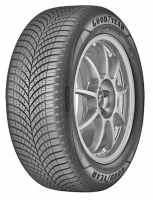
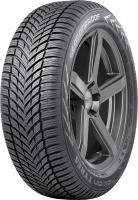
There are four important changes between the two tests, the Goodyear Vector 4 Seasons Gen-3 won this test instead of fifth in Tyre Reviews, the Michelin CrossClimate 2 placed seventh here and won the Tyre Reviews test, the Pirelli Cinturato All Season SF2 dropped from second in Tyre Reviews to fourteenth in this test, and the Nokian SeasonProof scored well in this test overall.
The Goodyear result is easy to explain. In the Tyre Reviews test, the 16" Goodyear struggled in wet braking at both temperatures tested. Had it not, it would have been one of the best tyres on test (noted in the article), and in this test it performed as expected. It's difficult to understand why the Goodyear didn't perform well in the Tyre Reviews wet braking tests without further testing, but from all the other testing the tyre has done, it seems like that was the outlier.
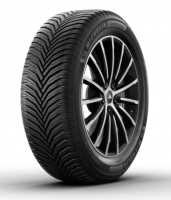
The Michelin CrossClimate 2 was marked down for two reasons in Auto Bild. Firstly, it scored relatively poorly in wear, and when you calculate value based on purchase price it worked out to be one of the worst value tyres on test - this is not something Tyre Reviews scores on. Secondly, the French tyre struggled in the wet in both tests, which might be down to the lower grip surfaces used, or a function of the vehicle and size combination.
The Pirelli Cinturato All Season SF2 lost a lot of points in this test due to the worst wet braking and wet handling in this test, compared to the Tyre Reviews test where it had reasonable wet performance. This is harder to explain, but could again be a function of the low grip surface of the tracks or the tyre size differences.
Finally, the Nokian SeasonProof actually had similar results between the tests, it just seems Auto Bild put a much higher weighting on snow performance than Tyre Reviews does. Plus, the high wear and competitive purchase price made this tyre the second best in terms of value on test, which is worth a lot of points promoting it in this test.
Conclusion
To conclude, there are differences in tyre test results all the time, and I understand that it's frustrating for the customer especially when new tyres like the CrossClimate 2 and SF2 have different results between the first big tests they feature in.
In the incredibly complicated world of tyre test, the goal of Tyre Reviews has never been to say "our data is right, ignore everyone else", instead it is to give you as many data points as possible to allow you to make your own purchase decision. I still encourage you do that for future purchases.
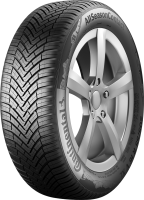
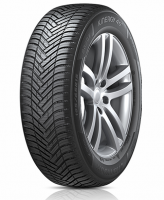
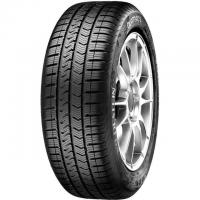
The positive is there is a lot of synergies between tests too! The Continental AllSeasonContact performed well in both tests, as did the Vredestein product, and the third placed Hankook in this test also performed well in the Tyre Reviews test last year.
Dry
As we've become accustomed to in all season tests, the Michelin CrossClimate 2 led the way in dry braking and dry handling, but this time some of the other all season tyres had closed the gap.
- Reference Summer
- Michelin CrossClimate 2
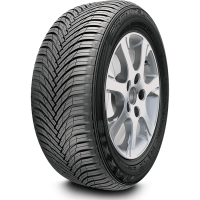
- Maxxis Premitra All Season AP3
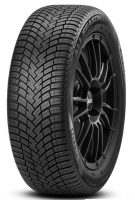
- Pirelli Cinturato All Season SF2
- Hankook Kinergy 4S2
- Bridgestone Weather Control A005 E
- Nokian SeasonProof
- Kumho Solus 4S HA32
- Dunlop Sport All Season
- Goodyear Vector 4Seasons Gen 3
- Vredestein Quatrac Pro
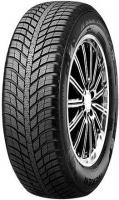
- Nexen N Blue 4 Season
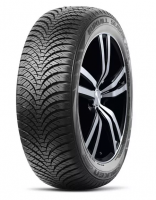
- Falken EUROALL SEASON AS210
- Continental AllSeasonContact
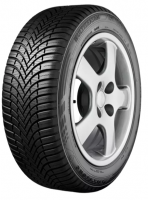
- Firestone MultiSeason Gen 02
- Viking FourTech
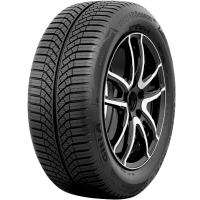
- Giti GitiAllSeason AS1
- Reference Winter
- Reference Summer
- Michelin CrossClimate 2
- Bridgestone Weather Control A005 E
- Falken EUROALL SEASON AS210
- Dunlop Sport All Season
- Maxxis Premitra All Season AP3
- Vredestein Quatrac Pro
- Hankook Kinergy 4S2
- Kumho Solus 4S HA32
- Firestone MultiSeason Gen 02
- Pirelli Cinturato All Season SF2
- Continental AllSeasonContact
- Viking FourTech
- Goodyear Vector 4Seasons Gen 3
- Nokian SeasonProof
- Giti GitiAllSeason AS1
- Reference Winter
- Nexen N Blue 4 Season
Wet
Wet testing highlighted three brands as having good wet performance, Vredestein, Goodyear and Falken took the top three spots in both wet braking and wet handling.
- Reference Summer
- Vredestein Quatrac Pro
- Goodyear Vector 4Seasons Gen 3
- Falken EUROALL SEASON AS210
- Dunlop Sport All Season
- Hankook Kinergy 4S2
- Viking FourTech
- Giti GitiAllSeason AS1
- Bridgestone Weather Control A005 E
- Continental AllSeasonContact
- Reference Winter
- Nokian SeasonProof
- Michelin CrossClimate 2
- Nexen N Blue 4 Season
- Firestone MultiSeason Gen 02
- Kumho Solus 4S HA32
- Maxxis Premitra All Season AP3
- Pirelli Cinturato All Season SF2
- Reference Summer
- Vredestein Quatrac Pro
- Falken EUROALL SEASON AS210
- Goodyear Vector 4Seasons Gen 3
- Hankook Kinergy 4S2
- Bridgestone Weather Control A005 E
- Dunlop Sport All Season
- Giti GitiAllSeason AS1
- Continental AllSeasonContact
- Reference Winter
- Firestone MultiSeason Gen 02
- Maxxis Premitra All Season AP3
- Viking FourTech
- Nokian SeasonProof
- Michelin CrossClimate 2
- Kumho Solus 4S HA32
- Nexen N Blue 4 Season
- Pirelli Cinturato All Season SF2
The summer tyre had a surprisingly large lead in the straight aquaplaning test. The curved aquaplaning data can be found in the results table below.
- Reference Summer
- Dunlop Sport All Season
- Goodyear Vector 4Seasons Gen 3
- Continental AllSeasonContact
- Michelin CrossClimate 2
- Hankook Kinergy 4S2
- Maxxis Premitra All Season AP3
- Pirelli Cinturato All Season SF2
- Viking FourTech
- Reference Winter
- Vredestein Quatrac Pro
- Nexen N Blue 4 Season
- Nokian SeasonProof
- Falken EUROALL SEASON AS210
- Kumho Solus 4S HA32
- Giti GitiAllSeason AS1
- Bridgestone Weather Control A005 E
- Firestone MultiSeason Gen 02
Snow
All three snow tests were led by Nokian, who have a strong history with excellent winter products. Michelin have improved on the snow performance of the CrossClimate+, with the CrossClimate 2 scoring well in all three tests, and Firestone and Continental also performed well in the winter conditions.
- Nokian SeasonProof
- Reference Winter
- Continental AllSeasonContact
- Viking FourTech
- Goodyear Vector 4Seasons Gen 3
- Michelin CrossClimate 2
- Falken EUROALL SEASON AS210
- Kumho Solus 4S HA32
- Firestone MultiSeason Gen 02
- Maxxis Premitra All Season AP3
- Giti GitiAllSeason AS1
- Hankook Kinergy 4S2
- Bridgestone Weather Control A005 E
- Vredestein Quatrac Pro
- Dunlop Sport All Season
- Pirelli Cinturato All Season SF2
- Nexen N Blue 4 Season
- Reference Summer
- Nokian SeasonProof
- Michelin CrossClimate 2
- Firestone MultiSeason Gen 02
- Reference Winter
- Maxxis Premitra All Season AP3
- Falken EUROALL SEASON AS210
- Goodyear Vector 4Seasons Gen 3
- Dunlop Sport All Season
- Hankook Kinergy 4S2
- Bridgestone Weather Control A005 E
- Vredestein Quatrac Pro
- Pirelli Cinturato All Season SF2
- Continental AllSeasonContact
- Kumho Solus 4S HA32
- Giti GitiAllSeason AS1
- Nexen N Blue 4 Season
- Viking FourTech
- Reference Summer
- Nokian SeasonProof
- Reference Winter
- Continental AllSeasonContact
- Michelin CrossClimate 2
- Firestone MultiSeason Gen 02
- Goodyear Vector 4Seasons Gen 3
- Maxxis Premitra All Season AP3
- Vredestein Quatrac Pro
- Pirelli Cinturato All Season SF2
- Viking FourTech
- Hankook Kinergy 4S2
- Kumho Solus 4S HA32
- Bridgestone Weather Control A005 E
- Falken EUROALL SEASON AS210
- Giti GitiAllSeason AS1
- Nexen N Blue 4 Season
- Dunlop Sport All Season
Environment
The Pirelli Cinturato SF2 had the lowest external noise on test in a group which was only split by 3db.
- Pirelli Cinturato All Season SF2
- Vredestein Quatrac Pro
- Nokian SeasonProof
- Giti GitiAllSeason AS1
- Maxxis Premitra All Season AP3
- Nexen N Blue 4 Season
- Kumho Solus 4S HA32
- Michelin CrossClimate 2
- Reference Summer
- Bridgestone Weather Control A005 E
- Goodyear Vector 4Seasons Gen 3
- Viking FourTech
- Hankook Kinergy 4S2
- Falken EUROALL SEASON AS210
- Continental AllSeasonContact
- Firestone MultiSeason Gen 02
- Dunlop Sport All Season
- Reference Winter
Of the leading tyres overall, Michelin and Pirelli had very low rolling resistances.
Wear
The three charts below cover the calculated total tread life of the tyre based on 15,000km on the road, then calculated down to 1.6mm, the purchase price of the tyres in euros at the time of publication (this figure can vary between markets and times of year) and then the value of the tyre, based on how many euros you pay in wear based every 1000 miles.
Michelin, long known for some of the best wear on test, seem to have dropped some mileage from the new CrossClimate 2, which could only finish mid pack with an estimated tread life of 40,000km. Instead, the Kumho Solus 4S HA32 proved to have the lowest wear of the group, calculated to cover over 54,000km with the Nokian SeasonProof in second at a very reasonable 51,000km.
Perhaps most impressively, given the high grip in nearly all tests, was the Goodyear Vector 4Season Gen-3 which promised to cover 50,000km, with it's main rivals from Continental and Hankook only expected to cover 43,000km and 34,000km respectively.
While the wear performance of the top tyres on test were impressive, the difference in value was even more apparent, with the high priced Michelin one of the worst value tyres on test with the group leading Kumho and Nexen products offering nearly half the price per kilometer travelled.
The Goodyear offered the best best value of the leading tyres overall.
- Kumho Solus 4S HA32
- Nokian SeasonProof
- Goodyear Vector 4Seasons Gen 3
- Nexen N Blue 4 Season
- Falken EUROALL SEASON AS210
- Firestone MultiSeason Gen 02
- Continental AllSeasonContact
- Viking FourTech
- Michelin CrossClimate 2
- Pirelli Cinturato All Season SF2
- Dunlop Sport All Season
- Maxxis Premitra All Season AP3
- Bridgestone Weather Control A005 E
- Hankook Kinergy 4S2
- Vredestein Quatrac Pro
- Giti GitiAllSeason AS1
- Nexen N Blue 4 Season
- Maxxis Premitra All Season AP3
- Kumho Solus 4S HA32
- Falken EUROALL SEASON AS210
- Hankook Kinergy 4S2
- Viking FourTech
- Firestone MultiSeason Gen 02
- Vredestein Quatrac Pro
- Nokian SeasonProof
- Giti GitiAllSeason AS1
- Dunlop Sport All Season
- Bridgestone Weather Control A005 E
- Pirelli Cinturato All Season SF2
- Goodyear Vector 4Seasons Gen 3
- Continental AllSeasonContact
- Michelin CrossClimate 2
- Kumho Solus 4S HA32
- Nexen N Blue 4 Season
- Nokian SeasonProof
- Falken EUROALL SEASON AS210
- Maxxis Premitra All Season AP3
- Firestone MultiSeason Gen 02
- Viking FourTech
- Goodyear Vector 4Seasons Gen 3
- Hankook Kinergy 4S2
- Dunlop Sport All Season
- Pirelli Cinturato All Season SF2
- Vredestein Quatrac Pro
- Bridgestone Weather Control A005 E
- Continental AllSeasonContact
- Michelin CrossClimate 2
- Giti GitiAllSeason AS1
Results
Test winner with convincing performance in any weather, dynamic handling, short wet braking distances, very good aquaplaning resistance, very low wear, good value for money.
None mentioned.
| Test |
# |
Result |
Best |
Diff |
% |
| Dry Braking |
10th |
41.9 M |
37.3 M |
+4.6 M |
89.02% |
| Dry Handling |
14th |
89.4 Km/H |
92.8 Km/H |
-3.4 Km/H |
96.34% |
| Test |
# |
Result |
Best |
Diff |
% |
| Wet Braking |
3rd |
50.7 M |
49.9 M |
+0.8 M |
98.42% |
| Wet Handling |
4th |
75.1 Km/H |
79.9 Km/H |
-4.8 Km/H |
93.99% |
| Wet Circle |
11th |
12.98 s |
11.67 s |
+1.31 s |
89.91% |
| Straight Aqua |
3rd |
93.9 Km/H |
97.1 Km/H |
-3.2 Km/H |
96.7% |
| Curved Aquaplaning |
2nd |
3.05 m/sec2 |
3.18 m/sec2 |
-0.13 m/sec2 |
95.91% |
| Test |
# |
Result |
Best |
Diff |
% |
| Snow Braking |
5th |
26.9 M |
25.6 M |
+1.3 M |
95.17% |
| Snow Traction |
7th |
2818 N |
3003 N |
-185 N |
93.84% |
| Snow Handling |
6th |
41.2 Km/H |
41.9 Km/H |
-0.7 Km/H |
98.33% |
| Test |
# |
Result |
Best |
Diff |
% |
| Noise |
11th |
72.3 dB |
71.1 dB |
+1.2 dB |
98.34% |
| Test |
# |
Result |
Best |
Diff |
% |
| Wear |
3rd |
50455 KM |
54524 KM |
-4069 KM |
92.54% |
| Value |
8th |
11 Price/1000 |
7.34 Price/1000 |
+3.66 Price/1000 |
66.73% |
| Price |
14th |
555 |
385 |
+170 |
69.37% |
| Rolling Resistance |
11th |
8.26 kg / t |
7.13 kg / t |
+1.13 kg / t |
86.32% |
Convincing all round performance with good winter qualities, precise steering behavior, best safety reserves at aquaplaning, good ride comfort, low rolling resistance.
High price.
| Test |
# |
Result |
Best |
Diff |
% |
| Dry Braking |
14th |
42.3 M |
37.3 M |
+5 M |
88.18% |
| Dry Handling |
12th |
89.6 Km/H |
92.8 Km/H |
-3.2 Km/H |
96.55% |
| Test |
# |
Result |
Best |
Diff |
% |
| Wet Braking |
10th |
53 M |
49.9 M |
+3.1 M |
94.15% |
| Wet Handling |
9th |
73.6 Km/H |
79.9 Km/H |
-6.3 Km/H |
92.12% |
| Wet Circle |
5th |
12.81 s |
11.67 s |
+1.14 s |
91.1% |
| Straight Aqua |
4th |
93.3 Km/H |
97.1 Km/H |
-3.8 Km/H |
96.09% |
| Curved Aquaplaning |
6th |
2.68 m/sec2 |
3.18 m/sec2 |
-0.5 m/sec2 |
84.28% |
| Test |
# |
Result |
Best |
Diff |
% |
| Snow Braking |
3rd |
26.1 M |
25.6 M |
+0.5 M |
98.08% |
| Snow Traction |
13th |
2666 N |
3003 N |
-337 N |
88.78% |
| Snow Handling |
3rd |
41.3 Km/H |
41.9 Km/H |
-0.6 Km/H |
98.57% |
| Test |
# |
Result |
Best |
Diff |
% |
| Noise |
14th |
72.6 dB |
71.1 dB |
+1.5 dB |
97.93% |
| Test |
# |
Result |
Best |
Diff |
% |
| Wear |
7th |
43549 KM |
54524 KM |
-10975 KM |
79.87% |
| Value |
14th |
14.12 Price/1000 |
7.34 Price/1000 |
+6.78 Price/1000 |
51.98% |
| Price |
15th |
615 |
385 |
+230 |
62.6% |
| Rolling Resistance |
6th |
7.66 kg / t |
7.13 kg / t |
+0.53 kg / t |
93.08% |
Good all season tyres with balanced driving characteristics, stable wet and dry handling, short snow and wet braking, good aquaplaning resistance, well priced.
Limited mileage.
| Test |
# |
Result |
Best |
Diff |
% |
| Dry Braking |
5th |
40.3 M |
37.3 M |
+3 M |
92.56% |
| Dry Handling |
7th |
90.2 Km/H |
92.8 Km/H |
-2.6 Km/H |
97.2% |
| Test |
# |
Result |
Best |
Diff |
% |
| Wet Braking |
6th |
52.3 M |
49.9 M |
+2.4 M |
95.41% |
| Wet Handling |
5th |
74.9 Km/H |
79.9 Km/H |
-5 Km/H |
93.74% |
| Wet Circle |
3rd |
12.66 s |
11.67 s |
+0.99 s |
92.18% |
| Straight Aqua |
6th |
92.4 Km/H |
97.1 Km/H |
-4.7 Km/H |
95.16% |
| Curved Aquaplaning |
9th |
2.54 m/sec2 |
3.18 m/sec2 |
-0.64 m/sec2 |
79.87% |
| Test |
# |
Result |
Best |
Diff |
% |
| Snow Braking |
12th |
27.4 M |
25.6 M |
+1.8 M |
93.43% |
| Snow Traction |
9th |
2805 N |
3003 N |
-198 N |
93.41% |
| Snow Handling |
10th |
40.6 Km/H |
41.9 Km/H |
-1.3 Km/H |
96.9% |
| Test |
# |
Result |
Best |
Diff |
% |
| Noise |
12th |
72.5 dB |
71.1 dB |
+1.4 dB |
98.07% |
| Test |
# |
Result |
Best |
Diff |
% |
| Wear |
14th |
34695 KM |
54524 KM |
-19829 KM |
63.63% |
| Value |
9th |
12.83 Price/1000 |
7.34 Price/1000 |
+5.49 Price/1000 |
57.21% |
| Price |
5th |
445 |
385 |
+60 |
86.52% |
| Rolling Resistance |
10th |
8.24 kg / t |
7.13 kg / t |
+1.11 kg / t |
86.53% |
Wet specialist with dynamic handling and short braking distances on wet roads, good comfort.
Limited mileage, high rolling resistance.
| Test |
# |
Result |
Best |
Diff |
% |
| Dry Braking |
11th |
42 M |
37.3 M |
+4.7 M |
88.81% |
| Dry Handling |
7th |
90.2 Km/H |
92.8 Km/H |
-2.6 Km/H |
97.2% |
| Test |
# |
Result |
Best |
Diff |
% |
| Wet Braking |
2nd |
50 M |
49.9 M |
+0.1 M |
99.8% |
| Wet Handling |
2nd |
77.3 Km/H |
79.9 Km/H |
-2.6 Km/H |
96.75% |
| Wet Circle |
2nd |
12.41 s |
11.67 s |
+0.74 s |
94.04% |
| Straight Aqua |
11th |
90.7 Km/H |
97.1 Km/H |
-6.4 Km/H |
93.41% |
| Curved Aquaplaning |
7th |
2.65 m/sec2 |
3.18 m/sec2 |
-0.53 m/sec2 |
83.33% |
| Test |
# |
Result |
Best |
Diff |
% |
| Snow Braking |
14th |
28 M |
25.6 M |
+2.4 M |
91.43% |
| Snow Traction |
11th |
2715 N |
3003 N |
-288 N |
90.41% |
| Snow Handling |
8th |
40.8 Km/H |
41.9 Km/H |
-1.1 Km/H |
97.37% |
| Test |
# |
Result |
Best |
Diff |
% |
| Noise |
2nd |
71.4 dB |
71.1 dB |
+0.3 dB |
99.58% |
| Test |
# |
Result |
Best |
Diff |
% |
| Wear |
15th |
34600 KM |
54524 KM |
-19924 KM |
63.46% |
| Value |
12th |
13.58 Price/1000 |
7.34 Price/1000 |
+6.24 Price/1000 |
54.05% |
| Price |
8th |
470 |
385 |
+85 |
81.91% |
| Rolling Resistance |
16th |
9.19 kg / t |
7.13 kg / t |
+2.06 kg / t |
77.58% |
Winter specialist with convincing driving characteristics on snow, low wear, good price to performance ratio.
Understeer in the dry and wet.
| Test |
# |
Result |
Best |
Diff |
% |
| Dry Braking |
6th |
41.4 M |
37.3 M |
+4.1 M |
90.1% |
| Dry Handling |
15th |
89 Km/H |
92.8 Km/H |
-3.8 Km/H |
95.91% |
| Test |
# |
Result |
Best |
Diff |
% |
| Wet Braking |
12th |
53.5 M |
49.9 M |
+3.6 M |
93.27% |
| Wet Handling |
14th |
72.3 Km/H |
79.9 Km/H |
-7.6 Km/H |
90.49% |
| Wet Circle |
9th |
12.9 s |
11.67 s |
+1.23 s |
90.47% |
| Straight Aqua |
13th |
90.5 Km/H |
97.1 Km/H |
-6.6 Km/H |
93.2% |
| Curved Aquaplaning |
5th |
2.7 m/sec2 |
3.18 m/sec2 |
-0.48 m/sec2 |
84.91% |
| Test |
# |
Result |
Best |
Diff |
% |
| Snow Braking |
1st |
25.6 M |
|
|
100% |
| Snow Traction |
1st |
3003 N |
|
|
100% |
| Snow Handling |
1st |
41.9 Km/H |
|
|
100% |
| Test |
# |
Result |
Best |
Diff |
% |
| Noise |
3rd |
71.5 dB |
71.1 dB |
+0.4 dB |
99.44% |
| Test |
# |
Result |
Best |
Diff |
% |
| Wear |
2nd |
51326 KM |
54524 KM |
-3198 KM |
94.13% |
| Value |
3rd |
9.16 Price/1000 |
7.34 Price/1000 |
+1.82 Price/1000 |
80.13% |
| Price |
8th |
470 |
385 |
+85 |
81.91% |
| Rolling Resistance |
12th |
8.57 kg / t |
7.13 kg / t |
+1.44 kg / t |
83.2% |
Good traction and short braking distances in the snow, dynamic wet and dry handling, short wet braking distances, low wear.
Understeering snow handling, high rolling resistance.
| Test |
# |
Result |
Best |
Diff |
% |
| Dry Braking |
13th |
42.2 M |
37.3 M |
+4.9 M |
88.39% |
| Dry Handling |
3rd |
90.8 Km/H |
92.8 Km/H |
-2 Km/H |
97.84% |
| Test |
# |
Result |
Best |
Diff |
% |
| Wet Braking |
4th |
50.8 M |
49.9 M |
+0.9 M |
98.23% |
| Wet Handling |
3rd |
75.7 Km/H |
79.9 Km/H |
-4.2 Km/H |
94.74% |
| Wet Circle |
8th |
12.89 s |
11.67 s |
+1.22 s |
90.54% |
| Straight Aqua |
14th |
90.4 Km/H |
97.1 Km/H |
-6.7 Km/H |
93.1% |
| Curved Aquaplaning |
8th |
2.62 m/sec2 |
3.18 m/sec2 |
-0.56 m/sec2 |
82.39% |
| Test |
# |
Result |
Best |
Diff |
% |
| Snow Braking |
6th |
27 M |
25.6 M |
+1.4 M |
94.81% |
| Snow Traction |
6th |
2832 N |
3003 N |
-171 N |
94.31% |
| Snow Handling |
14th |
40.2 Km/H |
41.9 Km/H |
-1.7 Km/H |
95.94% |
| Test |
# |
Result |
Best |
Diff |
% |
| Noise |
14th |
72.6 dB |
71.1 dB |
+1.5 dB |
97.93% |
| Test |
# |
Result |
Best |
Diff |
% |
| Wear |
5th |
46012 KM |
54524 KM |
-8512 KM |
84.39% |
| Value |
4th |
9.45 Price/1000 |
7.34 Price/1000 |
+2.11 Price/1000 |
77.67% |
| Price |
4th |
435 |
385 |
+50 |
88.51% |
| Rolling Resistance |
18th |
9.44 kg / t |
7.13 kg / t |
+2.31 kg / t |
75.53% |
Dry specialist with safe snow qualities, dynamic handling, good aquaplaning resistance, low rolling resistance.
Understeer in the wet, high price level.
| Test |
# |
Result |
Best |
Diff |
% |
| Dry Braking |
2nd |
37.6 M |
37.3 M |
+0.3 M |
99.2% |
| Dry Handling |
2nd |
91.1 Km/H |
92.8 Km/H |
-1.7 Km/H |
98.17% |
| Test |
# |
Result |
Best |
Diff |
% |
| Wet Braking |
13th |
53.9 M |
49.9 M |
+4 M |
92.58% |
| Wet Handling |
14th |
72.3 Km/H |
79.9 Km/H |
-7.6 Km/H |
90.49% |
| Wet Circle |
13th |
13.09 s |
11.67 s |
+1.42 s |
89.15% |
| Straight Aqua |
5th |
93.1 Km/H |
97.1 Km/H |
-4 Km/H |
95.88% |
| Curved Aquaplaning |
10th |
2.52 m/sec2 |
3.18 m/sec2 |
-0.66 m/sec2 |
79.25% |
| Test |
# |
Result |
Best |
Diff |
% |
| Snow Braking |
6th |
27 M |
25.6 M |
+1.4 M |
94.81% |
| Snow Traction |
2nd |
2995 N |
3003 N |
-8 N |
99.73% |
| Snow Handling |
3rd |
41.3 Km/H |
41.9 Km/H |
-0.6 Km/H |
98.57% |
| Test |
# |
Result |
Best |
Diff |
% |
| Noise |
8th |
72 dB |
71.1 dB |
+0.9 dB |
98.75% |
| Test |
# |
Result |
Best |
Diff |
% |
| Wear |
9th |
40407 KM |
54524 KM |
-14117 KM |
74.11% |
| Value |
15th |
15.72 Price/1000 |
7.34 Price/1000 |
+8.38 Price/1000 |
46.69% |
| Price |
16th |
635 |
385 |
+250 |
60.63% |
| Rolling Resistance |
2nd |
7.17 kg / t |
7.13 kg / t |
+0.04 kg / t |
99.44% |
Good cornering and high traction in the snow, short snow braking, low noise, cheap purchase price.
Average in the wet, average mileage.
| Test |
# |
Result |
Best |
Diff |
% |
| Dry Braking |
3rd |
38.4 M |
37.3 M |
+1.1 M |
97.14% |
| Dry Handling |
6th |
90.3 Km/H |
92.8 Km/H |
-2.5 Km/H |
97.31% |
| Test |
# |
Result |
Best |
Diff |
% |
| Wet Braking |
17th |
54.7 M |
49.9 M |
+4.8 M |
91.22% |
| Wet Handling |
12th |
72.7 Km/H |
79.9 Km/H |
-7.2 Km/H |
90.99% |
| Wet Circle |
12th |
13.08 s |
11.67 s |
+1.41 s |
89.22% |
| Straight Aqua |
7th |
91.6 Km/H |
97.1 Km/H |
-5.5 Km/H |
94.34% |
| Curved Aquaplaning |
12th |
2.49 m/sec2 |
3.18 m/sec2 |
-0.69 m/sec2 |
78.3% |
| Test |
# |
Result |
Best |
Diff |
% |
| Snow Braking |
9th |
27.2 M |
25.6 M |
+1.6 M |
94.12% |
| Snow Traction |
5th |
2867 N |
3003 N |
-136 N |
95.47% |
| Snow Handling |
7th |
41 Km/H |
41.9 Km/H |
-0.9 Km/H |
97.85% |
| Test |
# |
Result |
Best |
Diff |
% |
| Noise |
4th |
71.6 dB |
71.1 dB |
+0.5 dB |
99.3% |
| Test |
# |
Result |
Best |
Diff |
% |
| Wear |
12th |
38316 KM |
54524 KM |
-16208 KM |
70.27% |
| Value |
5th |
10.31 Price/1000 |
7.34 Price/1000 |
+2.97 Price/1000 |
71.19% |
| Price |
2nd |
395 |
385 |
+10 |
97.47% |
| Rolling Resistance |
13th |
8.6 kg / t |
7.13 kg / t |
+1.47 kg / t |
82.91% |
New all season tyre with good performance and dynamic driving in the dry and wet.
Lots of understeer in the snow, average mileage.
| Test |
# |
Result |
Best |
Diff |
% |
| Dry Braking |
9th |
41.7 M |
37.3 M |
+4.4 M |
89.45% |
| Dry Handling |
5th |
90.5 Km/H |
92.8 Km/H |
-2.3 Km/H |
97.52% |
| Test |
# |
Result |
Best |
Diff |
% |
| Wet Braking |
5th |
51.4 M |
49.9 M |
+1.5 M |
97.08% |
| Wet Handling |
7th |
74.5 Km/H |
79.9 Km/H |
-5.4 Km/H |
93.24% |
| Wet Circle |
7th |
12.87 s |
11.67 s |
+1.2 s |
90.68% |
| Straight Aqua |
2nd |
94.9 Km/H |
97.1 Km/H |
-2.2 Km/H |
97.73% |
| Curved Aquaplaning |
2nd |
3.05 m/sec2 |
3.18 m/sec2 |
-0.13 m/sec2 |
95.91% |
| Test |
# |
Result |
Best |
Diff |
% |
| Snow Braking |
15th |
28.2 M |
25.6 M |
+2.6 M |
90.78% |
| Snow Traction |
7th |
2818 N |
3003 N |
-185 N |
93.84% |
| Snow Handling |
17th |
39.6 Km/H |
41.9 Km/H |
-2.3 Km/H |
94.51% |
| Test |
# |
Result |
Best |
Diff |
% |
| Noise |
17th |
73.3 dB |
71.1 dB |
+2.2 dB |
97% |
| Test |
# |
Result |
Best |
Diff |
% |
| Wear |
11th |
39164 KM |
54524 KM |
-15360 KM |
71.83% |
| Value |
10th |
13.02 Price/1000 |
7.34 Price/1000 |
+5.68 Price/1000 |
56.37% |
| Price |
11th |
500 |
385 |
+115 |
77% |
| Rolling Resistance |
4th |
7.62 kg / t |
7.13 kg / t |
+0.49 kg / t |
93.57% |
Sporty dynamic dry handling, good traction and short braking on ice and snow, stable wet handling.
Understeer snow handling, poor wear.
| Test |
# |
Result |
Best |
Diff |
% |
| Dry Braking |
6th |
41.4 M |
37.3 M |
+4.1 M |
90.1% |
| Dry Handling |
3rd |
90.8 Km/H |
92.8 Km/H |
-2 Km/H |
97.84% |
| Test |
# |
Result |
Best |
Diff |
% |
| Wet Braking |
8th |
52.9 M |
49.9 M |
+3 M |
94.33% |
| Wet Handling |
6th |
74.7 Km/H |
79.9 Km/H |
-5.2 Km/H |
93.49% |
| Wet Circle |
5th |
12.81 s |
11.67 s |
+1.14 s |
91.1% |
| Straight Aqua |
17th |
88.6 Km/H |
97.1 Km/H |
-8.5 Km/H |
91.25% |
| Curved Aquaplaning |
17th |
2.2 m/sec2 |
3.18 m/sec2 |
-0.98 m/sec2 |
69.18% |
| Test |
# |
Result |
Best |
Diff |
% |
| Snow Braking |
13th |
27.6 M |
25.6 M |
+2 M |
92.75% |
| Snow Traction |
10th |
2783 N |
3003 N |
-220 N |
92.67% |
| Snow Handling |
13th |
40.3 Km/H |
41.9 Km/H |
-1.6 Km/H |
96.18% |
| Test |
# |
Result |
Best |
Diff |
% |
| Noise |
10th |
72.1 dB |
71.1 dB |
+1 dB |
98.61% |
| Test |
# |
Result |
Best |
Diff |
% |
| Wear |
13th |
36578 KM |
54524 KM |
-17946 KM |
67.09% |
| Value |
13th |
13.67 Price/1000 |
7.34 Price/1000 |
+6.33 Price/1000 |
53.69% |
| Price |
12th |
510 |
385 |
+125 |
75.49% |
| Rolling Resistance |
7th |
7.99 kg / t |
7.13 kg / t |
+0.86 kg / t |
89.24% |
Short snow braking, good aquaplaning safety, short wet braking, low rolling resistance.
Average snow traction, understeer in the wet, long dry braking.
| Test |
# |
Result |
Best |
Diff |
% |
| Dry Braking |
16th |
43.5 M |
37.3 M |
+6.2 M |
85.75% |
| Dry Handling |
13th |
89.5 Km/H |
92.8 Km/H |
-3.3 Km/H |
96.44% |
| Test |
# |
Result |
Best |
Diff |
% |
| Wet Braking |
7th |
52.6 M |
49.9 M |
+2.7 M |
94.87% |
| Wet Handling |
13th |
72.6 Km/H |
79.9 Km/H |
-7.3 Km/H |
90.86% |
| Wet Circle |
17th |
13.29 s |
11.67 s |
+1.62 s |
87.81% |
| Straight Aqua |
9th |
91.3 Km/H |
97.1 Km/H |
-5.8 Km/H |
94.03% |
| Curved Aquaplaning |
4th |
2.99 m/sec2 |
3.18 m/sec2 |
-0.19 m/sec2 |
94.03% |
| Test |
# |
Result |
Best |
Diff |
% |
| Snow Braking |
4th |
26.8 M |
25.6 M |
+1.2 M |
95.52% |
| Snow Traction |
17th |
2490 N |
3003 N |
-513 N |
82.92% |
| Snow Handling |
10th |
40.6 Km/H |
41.9 Km/H |
-1.3 Km/H |
96.9% |
| Test |
# |
Result |
Best |
Diff |
% |
| Noise |
12th |
72.5 dB |
71.1 dB |
+1.4 dB |
98.07% |
| Test |
# |
Result |
Best |
Diff |
% |
| Wear |
8th |
42246 KM |
54524 KM |
-12278 KM |
77.48% |
| Value |
7th |
10.89 Price/1000 |
7.34 Price/1000 |
+3.55 Price/1000 |
67.4% |
| Price |
6th |
460 |
385 |
+75 |
83.7% |
| Rolling Resistance |
1st |
7.13 kg / t |
|
|
100% |
Dynamic dry handling, lowest wear in test.
Average wet grip, understeer in the snow.
| Test |
# |
Result |
Best |
Diff |
% |
| Dry Braking |
8th |
41.5 M |
37.3 M |
+4.2 M |
89.88% |
| Dry Handling |
9th |
90 Km/H |
92.8 Km/H |
-2.8 Km/H |
96.98% |
| Test |
# |
Result |
Best |
Diff |
% |
| Wet Braking |
16th |
54.4 M |
49.9 M |
+4.5 M |
91.73% |
| Wet Handling |
16th |
71.3 Km/H |
79.9 Km/H |
-8.6 Km/H |
89.24% |
| Wet Circle |
15th |
13.11 s |
11.67 s |
+1.44 s |
89.02% |
| Straight Aqua |
15th |
89.8 Km/H |
97.1 Km/H |
-7.3 Km/H |
92.48% |
| Curved Aquaplaning |
15th |
2.36 m/sec2 |
3.18 m/sec2 |
-0.82 m/sec2 |
74.21% |
| Test |
# |
Result |
Best |
Diff |
% |
| Snow Braking |
8th |
27.1 M |
25.6 M |
+1.5 M |
94.46% |
| Snow Traction |
14th |
2631 N |
3003 N |
-372 N |
87.61% |
| Snow Handling |
12th |
40.5 Km/H |
41.9 Km/H |
-1.4 Km/H |
96.66% |
| Test |
# |
Result |
Best |
Diff |
% |
| Noise |
6th |
71.9 dB |
71.1 dB |
+0.8 dB |
98.89% |
| Test |
# |
Result |
Best |
Diff |
% |
| Wear |
1st |
54524 KM |
|
|
100% |
| Value |
1st |
7.34 Price/1000 |
|
|
100% |
| Price |
3rd |
400 |
385 |
+15 |
96.25% |
| Rolling Resistance |
9th |
8.2 kg / t |
7.13 kg / t |
+1.07 kg / t |
86.95% |
Good traction and short braking distances in the snow, stable dry and snow handling, low wear.
Very low aquaplaning resistance, average grip in the wet.
| Test |
# |
Result |
Best |
Diff |
% |
| Dry Braking |
15th |
42.4 M |
37.3 M |
+5.1 M |
87.97% |
| Dry Handling |
10th |
89.9 Km/H |
92.8 Km/H |
-2.9 Km/H |
96.88% |
| Test |
# |
Result |
Best |
Diff |
% |
| Wet Braking |
15th |
54.1 M |
49.9 M |
+4.2 M |
92.24% |
| Wet Handling |
11th |
72.9 Km/H |
79.9 Km/H |
-7 Km/H |
91.24% |
| Wet Circle |
13th |
13.09 s |
11.67 s |
+1.42 s |
89.15% |
| Straight Aqua |
18th |
85 Km/H |
97.1 Km/H |
-12.1 Km/H |
87.54% |
| Curved Aquaplaning |
18th |
1.93 m/sec2 |
3.18 m/sec2 |
-1.25 m/sec2 |
60.69% |
| Test |
# |
Result |
Best |
Diff |
% |
| Snow Braking |
9th |
27.2 M |
25.6 M |
+1.6 M |
94.12% |
| Snow Traction |
3rd |
2916 N |
3003 N |
-87 N |
97.1% |
| Snow Handling |
3rd |
41.3 Km/H |
41.9 Km/H |
-0.6 Km/H |
98.57% |
| Test |
# |
Result |
Best |
Diff |
% |
| Noise |
16th |
73.1 dB |
71.1 dB |
+2 dB |
97.26% |
| Test |
# |
Result |
Best |
Diff |
% |
| Wear |
6th |
44821 KM |
54524 KM |
-9703 KM |
82.2% |
| Value |
6th |
10.37 Price/1000 |
7.34 Price/1000 |
+3.03 Price/1000 |
70.78% |
| Price |
7th |
465 |
385 |
+80 |
82.8% |
| Rolling Resistance |
8th |
8.13 kg / t |
7.13 kg / t |
+1 kg / t |
87.7% |
Dynamic handling and short braking distances in the snow and on dry roads, low rolling resistance.
Long wet braking.
| Test |
# |
Result |
Best |
Diff |
% |
| Dry Braking |
4th |
40.2 M |
37.3 M |
+2.9 M |
92.79% |
| Dry Handling |
10th |
89.9 Km/H |
92.8 Km/H |
-2.9 Km/H |
96.88% |
| Test |
# |
Result |
Best |
Diff |
% |
| Wet Braking |
18th |
56 M |
49.9 M |
+6.1 M |
89.11% |
| Wet Handling |
18th |
70.6 Km/H |
79.9 Km/H |
-9.3 Km/H |
88.36% |
| Wet Circle |
18th |
13.3 s |
11.67 s |
+1.63 s |
87.74% |
| Straight Aqua |
8th |
91.5 Km/H |
97.1 Km/H |
-5.6 Km/H |
94.23% |
| Curved Aquaplaning |
16th |
2.28 m/sec2 |
3.18 m/sec2 |
-0.9 m/sec2 |
71.7% |
| Test |
# |
Result |
Best |
Diff |
% |
| Snow Braking |
16th |
28.5 M |
25.6 M |
+2.9 M |
89.82% |
| Snow Traction |
12th |
2691 N |
3003 N |
-312 N |
89.61% |
| Snow Handling |
8th |
40.8 Km/H |
41.9 Km/H |
-1.1 Km/H |
97.37% |
| Test |
# |
Result |
Best |
Diff |
% |
| Noise |
1st |
71.1 dB |
|
|
100% |
| Test |
# |
Result |
Best |
Diff |
% |
| Wear |
10th |
40063 KM |
54524 KM |
-14461 KM |
73.48% |
| Value |
11th |
13.1 Price/1000 |
7.34 Price/1000 |
+5.76 Price/1000 |
56.03% |
| Price |
13th |
525 |
385 |
+140 |
73.33% |
| Rolling Resistance |
3rd |
7.51 kg / t |
7.13 kg / t |
+0.38 kg / t |
94.94% |
Low wear, short dry braking distances, cheap price.
Average winter performance, high understeer in the wet, high rolling resistance.
| Test |
# |
Result |
Best |
Diff |
% |
| Dry Braking |
11th |
42 M |
37.3 M |
+4.7 M |
88.81% |
| Dry Handling |
18th |
87.2 Km/H |
92.8 Km/H |
-5.6 Km/H |
93.97% |
| Test |
# |
Result |
Best |
Diff |
% |
| Wet Braking |
14th |
54 M |
49.9 M |
+4.1 M |
92.41% |
| Wet Handling |
17th |
70.9 Km/H |
79.9 Km/H |
-9 Km/H |
88.74% |
| Wet Circle |
16th |
13.19 s |
11.67 s |
+1.52 s |
88.48% |
| Straight Aqua |
12th |
90.6 Km/H |
97.1 Km/H |
-6.5 Km/H |
93.31% |
| Curved Aquaplaning |
13th |
2.44 m/sec2 |
3.18 m/sec2 |
-0.74 m/sec2 |
76.73% |
| Test |
# |
Result |
Best |
Diff |
% |
| Snow Braking |
17th |
30.4 M |
25.6 M |
+4.8 M |
84.21% |
| Snow Traction |
16th |
2503 N |
3003 N |
-500 N |
83.35% |
| Snow Handling |
16th |
39.7 Km/H |
41.9 Km/H |
-2.2 Km/H |
94.75% |
| Test |
# |
Result |
Best |
Diff |
% |
| Noise |
6th |
71.9 dB |
71.1 dB |
+0.8 dB |
98.89% |
| Test |
# |
Result |
Best |
Diff |
% |
| Wear |
4th |
46779 KM |
54524 KM |
-7745 KM |
85.8% |
| Value |
2nd |
8.23 Price/1000 |
7.34 Price/1000 |
+0.89 Price/1000 |
89.19% |
| Price |
1st |
385 |
|
|
100% |
| Rolling Resistance |
14th |
8.79 kg / t |
7.13 kg / t |
+1.66 kg / t |
81.11% |
Short snow and wet braking distances, good comfort, low noise.
Weak lateral grip in the dry and on snow, limited mileage, high rolling resistance.
| Test |
# |
Result |
Best |
Diff |
% |
| Dry Braking |
16th |
43.5 M |
37.3 M |
+6.2 M |
85.75% |
| Dry Handling |
16th |
88.9 Km/H |
92.8 Km/H |
-3.9 Km/H |
95.8% |
| Test |
# |
Result |
Best |
Diff |
% |
| Wet Braking |
8th |
52.9 M |
49.9 M |
+3 M |
94.33% |
| Wet Handling |
8th |
74.2 Km/H |
79.9 Km/H |
-5.7 Km/H |
92.87% |
| Wet Circle |
4th |
12.77 s |
11.67 s |
+1.1 s |
91.39% |
| Straight Aqua |
16th |
88.7 Km/H |
97.1 Km/H |
-8.4 Km/H |
91.35% |
| Curved Aquaplaning |
10th |
2.52 m/sec2 |
3.18 m/sec2 |
-0.66 m/sec2 |
79.25% |
| Test |
# |
Result |
Best |
Diff |
% |
| Snow Braking |
11th |
27.3 M |
25.6 M |
+1.7 M |
93.77% |
| Snow Traction |
15th |
2563 N |
3003 N |
-440 N |
85.35% |
| Snow Handling |
15th |
39.9 Km/H |
41.9 Km/H |
-2 Km/H |
95.23% |
| Test |
# |
Result |
Best |
Diff |
% |
| Noise |
4th |
71.6 dB |
71.1 dB |
+0.5 dB |
99.3% |
| Test |
# |
Result |
Best |
Diff |
% |
| Wear |
16th |
30674 KM |
54524 KM |
-23850 KM |
56.26% |
| Value |
16th |
15.97 Price/1000 |
7.34 Price/1000 |
+8.63 Price/1000 |
45.96% |
| Price |
10th |
490 |
385 |
+105 |
78.57% |
| Rolling Resistance |
15th |
8.81 kg / t |
7.13 kg / t |
+1.68 kg / t |
80.93% |
| Test |
# |
Result |
Best |
Diff |
% |
| Dry Braking |
1st |
37.3 M |
|
|
100% |
| Dry Handling |
1st |
92.8 Km/H |
|
|
100% |
| Test |
# |
Result |
Best |
Diff |
% |
| Wet Braking |
1st |
49.9 M |
|
|
100% |
| Wet Handling |
1st |
79.9 Km/H |
|
|
100% |
| Wet Circle |
1st |
11.67 s |
|
|
100% |
| Straight Aqua |
1st |
97.1 Km/H |
|
|
100% |
| Curved Aquaplaning |
1st |
3.18 m/sec2 |
|
|
100% |
| Test |
# |
Result |
Best |
Diff |
% |
| Snow Braking |
18th |
56.9 M |
25.6 M |
+31.3 M |
44.99% |
| Snow Traction |
18th |
980 N |
3003 N |
-2023 N |
32.63% |
| Test |
# |
Result |
Best |
Diff |
% |
| Noise |
8th |
72 dB |
71.1 dB |
+0.9 dB |
98.75% |
| Test |
# |
Result |
Best |
Diff |
% |
| Rolling Resistance |
5th |
7.64 kg / t |
7.13 kg / t |
+0.51 kg / t |
93.32% |
| Test |
# |
Result |
Best |
Diff |
% |
| Dry Braking |
18th |
44.2 M |
37.3 M |
+6.9 M |
84.39% |
| Dry Handling |
17th |
88.4 Km/H |
92.8 Km/H |
-4.4 Km/H |
95.26% |
| Test |
# |
Result |
Best |
Diff |
% |
| Wet Braking |
11th |
53.4 M |
49.9 M |
+3.5 M |
93.45% |
| Wet Handling |
10th |
73 Km/H |
79.9 Km/H |
-6.9 Km/H |
91.36% |
| Wet Circle |
10th |
12.95 s |
11.67 s |
+1.28 s |
90.12% |
| Straight Aqua |
10th |
91 Km/H |
97.1 Km/H |
-6.1 Km/H |
93.72% |
| Curved Aquaplaning |
14th |
2.4 m/sec2 |
3.18 m/sec2 |
-0.78 m/sec2 |
75.47% |
| Test |
# |
Result |
Best |
Diff |
% |
| Snow Braking |
2nd |
25.8 M |
25.6 M |
+0.2 M |
99.22% |
| Snow Traction |
4th |
2875 N |
3003 N |
-128 N |
95.74% |
| Snow Handling |
2nd |
41.7 Km/H |
41.9 Km/H |
-0.2 Km/H |
99.52% |
| Test |
# |
Result |
Best |
Diff |
% |
| Noise |
18th |
73.5 dB |
71.1 dB |
+2.4 dB |
96.73% |
| Test |
# |
Result |
Best |
Diff |
% |
| Rolling Resistance |
17th |
9.33 kg / t |
7.13 kg / t |
+2.2 kg / t |
76.42% |

Hi Jonathan. I much appreciate your quantified approach.
Question: Auto Bild shows the traction force in snow in Newton. But what does it mean, since traction depends of the weight on the tyre. The CC2 has 3500N in the all season SUV test, but 'only' 3000N in the standard all season test. Why the difference? Can values between two tests be compared?
Thanks for the help.
Differences in tyre sizes, vehicle weight, snow type, snow temperature etc will affect this so its only really useful comparing in the same tests
Hallo Jonathan
I understand. Thanks for the speedy reply.
I saw that Auto Bild Allrad will publish a new all season test in September.
There will be lots of new tests around the start I'd September
Is there any reason why the Pirelli are so bad on this test, compared to the TR test?
I was going to buy some 225/45/18's but the wet braking has put me right off.
None that I know of, I did write a section about the differences in the article and what it could be.
ty. For now, I'm waiting till the 2022 All Season review. IF I'm lucky, the Pirelli's will be in it again this year.
If not, I'll be looking at what this year will bring.
They were in our test this year, I believe the wet performance matched this test rather than our test last year.
Hey all! Which all season tyre for a size 245/45/R18 you would recommend for really hot summers and moderate winters (temps at their lowest are around -5 to -10C and there's a snow for around 10-15 days total). The rest of the winter is usually dry, or with rain, and the temps are around -2 to 0 (night) to 10C. Mid May through end of August/mid September temps are usually between 25 to ~35C (during the day).
Michelin
Goodyear
Pirelli
Continental
On my old car I was using CC+ in the similar size (225 instead of 245 now) for the last 2 years and I was soo happy with them, all year round. Now want to fit some new all seasons for the new car (Insignia Grand Sport petrol 121kw automatic and just want to make sure I make the right choice. All 4 tyres are similarly priced here (maybe 5-10 euros difference) and I'm looking for the most comfy, least noisy and with a good life span. Was definitely interested in CC2 but after reading this review I just wanted your advice if they are still the best choice.
And finally, would you all go for 96Y standard ones or 100Y XL ones?
Thank you!
CC2 won my most recent test and I have them on my own car.
Thanks for a quick reply! And yeah, I was looking at your review (and some others as well), plus my own experience from using CC+ for the last 2 years but again, this review surprised me a bit (even though they have used a different car, different tyre size, different conditions etc). And actually, I was between CC2 and Pirelli as I mainly need a good summer biased all season tyre (due to the general weather here)
And what do you think about standard load and extra load, with either of these (96Y and 100Y)?
I really need to test standard load vs extra load sometime, from what I understand the differences are usually small and sometimes non existent.
Thanks! And yeah, I've heard that too. But yet again, it looks like opinions are very different from everything I've seen online and heard in person. And in my example, the size I need for CC2, actually has a bit different ratings for 96Y standard one and 100Y XL one. Its C for fuel consumption and B for wet grip (standard) and it's B in both categories for XL version. And for Pirelli SF2, I can't seem to find the standard version as it looks like there's only XL version available (maybe I'm wrong).
Unless you're hyper focused on comfort, I'd be getting the 100Y XL CC2!
Yep, thinking the same. Thanks man!
Hi, have you got performance testing (dry, wet, snow etc) of all season vs winter tyres as the tyres wear out?
Apparently all season tyres start their life soft and perform well, but then harden through life and don't do so well (in addition to having less tread).
Any thoughts?
That will depend on brand, as it does on any type of tyres. Some brands use a softer top layer, good brands don't.
So pretty safe with cross climate 2?
My winter conditions are 0 to 12 deg, maybe two to three events
As safe as you can be (I've just tested that but no results until autumn this year)
Awesome, tested what exactly?
Hello,
I live in Asturias, a province in the north of Spain and I want to buy the Nokian Sessionproof.
Here in Asturias it rains most of the year. We have sea and mountains of more than 2000 meters of altitude at 70km distance between sea and mountains, although the average of the most important mountain passes where roads pass are usually around 1200-1400 meters that in winter are snowed.
The purchase of the Nokian is fine for a person that the most he has ever driven on wet roads was 140 km/h or would you advise me to buy another model of all-season tyres other than Nokian. I mean if the understeer is sufficiently pronounced when driving with these tyres. I have 225/45 R17 tyres.
This monday I have to call to put new ones on. I will pass my michelin crossclimatic + at the front and put these new ones on the rear.
But I would like to know the opinion if these Nokian Sessionproof are good in wetter climates than snow. The wet weather in Asturias ranges from 3 degrees to 30 degrees centigrade between autumn, winter, spring and summer.
Thank you very much for your reply.
Post Data: I would like you to do a review with the new Uniroyal AllSeasonExpert 2 tyres as uniroyal say they have always been one of the best tyres in the wet. If anyone has tried them and can tell us how they perform in the wet and dry as well as on snow and ice I would appreciate it as well.
Regards.
If you look at the test results, the Nokian SeasonProof isn't usually great in the wet so I would buy a tyre that does well in the wet, if that's your priority.
Hi, many thanks for a great review. I’m thinking of mounting all-season tyres on my 7-seater (205/55/17) and this really comes in handy. At the moment, my favorites are the new Pirelli and Goodyear. I have to say that I live at the cost of Adriatic Sea with really mild weather (quite a bit of rain in the winter, though) with few short trips to middle Europe during the year.
Basically, I am looking for a tyre that will “cover” summer conditions, mild winters and occasional encounter with the snow. It seems that most of these new all-season tyres could get the job done, but, as I said I’m leaning towards either Pirelli or Goodyear. However, during the summer, the temperatures here easily hit 35-40 C, and I have yet to see a review that covers all-season tyre behavior in this kind of heat. Plus, after a couple of months of really hot weather, what is the wear and tear on these tyres? Can I expect to be using the same set for 2.5 - 3 years (I do 15 - 20 thousand km/year), or will the tyres lose their intended characteristics after the first summer season? I’d appreciate your thoughts on the matter. Plus, based on your experience, would either Pirelli or Goodyear be suited for this kind of climate or would you recommend a possible
third option? Obviously, the decision is mine to make, but I’m always open for suggestions. Once again, many thanks for a great review.
They're designed to be run all year so you won't get anything dangerous in 40c, but they won't be as good as a summer tyre.
Snow performance drops off noticeably after 3mm on all tyres
I would be fascinated to see the results if you would include a Michelin CC2 in your summer tyre tests.
There's plenty of all season tests with the CC2 and a summer reference tyre which will give some some idea :) I always push to get a cc2 in anytest!
Would you say Jonathan that for those of us living in England probably the optimal set up is to use one of the many fine summer tyres from May to October and an AS with the characteristics of a MCC2 or Vred Q from November to April?
On an associated point I do wonder though whether Michelin in chasing improved snow performance haven't ever so slightly taken their eye off wet capabilities.
I do like an all season as a winter tyre. I would also like to see better wet performance for the cc2, but it did improve over the cc+
Thanks Jonathan. Where I'm genuinely struggling at the moment in choosing a tyre to replace my 5 year old MCCs is that none of the other AS tyres are IMHO remotely good enough in the dry compared with the CC2 never mind the summer tyre (in dry braking the CC2 is only about 6 ft worse than the MP4 which is very impressive whilst Pirelli, Goodyear and Conti are circa 14, 20 and 22ft worse respectively than the MP4 which makes them in dry conditions worse than a budget summer tyre!!!). So top marks to the CC2. However the figures suggest that the CC2 isn't great in the wet compared with the best AS tyres never mind the summer tyre (circa 20 ft worse in warm wet braking than its MP4 cousin which is pretty disappointing). I know these figures will likely reverse in sub 7C conditions but........
I guess I'm being picky given what I'm wanting but I'm really just saying that I wish Michelin had stuck more closely to the original premise of the CC family which was a summerish tyre that could cope in the snow rather than chase winter performance. Ultimately if you need stellar snow performance e.g. in central Europe/Scandinavia/Scotland you are probably swapping for a winter tyre anyway in the cold months.
Ho hum.
The new CC2 is better than your current tyre in the wet, so maybe it's a simpler choice than you think
Very fair point albeit one would and should expect improvement in performance over 5 years. Undoubtedly the CC2 will be better than the CC. My reasons for questioning the CC2 wet performance is that we have recently moved from Kent to Herefordshire/Welsh borders which is wetter which is why I am more bothered by wet performance than previously when I bought the original CCs.
I'm actually more interested in comparing the delta between the CC2 and summer tyres than other AS tyres as the latter are generally far too winter focussed for our mild climate.
Thus I had a go at comparing the CC2 v the P4 and it looks like on dry braking, dry handling and wet handling the CC2 is within 5-6% of the P4 which is really impressive and more than acceptable given that the P4 is an excellent summer tyre. Wear and noise is within 8-10% which is OK. Straight aqua is circa 12% better - great?. However summer wet braking is up to 13-15% worse and that is extremely disappointing.
I guess it proves your point that you really should swap tyres every spring and autumn. However that's expensive plus you need to store the other set of wheels. It really is a fascinating subject.
Thanks for taking the time to respond. I think I will go with the CC2s for the point you make and accept the warm wet braking result and for the fact that in the winter months the P4 will suffer performance wise compared with the CC2 anyway.
Two presumably well run test by two clearly world class testers ( Don't be modest your testing is legit ), with some converging and some diverging results. However since they were multiple variables changed it's hard to know why, except to speculate. I find it completely fascinating it reminds me of an organic chemistry lab in college. I am having way too much fun trying to select an optimal tire, luckily I drive a Golf R, so tyre reviews testing is spot on for me!
And you have a car that will flatter most tyres :)
How its possible that Goodyear in tests from 2020 225/45 was 3rd lowest noise and year after 225/50 its 10th ?
Size differences, competitors moving on, different test conditions
Just to show how weighting can change results I took ABs scores and scored 40% for wet, 35% for dry, 10% for snow, 10% for wear/price/RR, 2.5% for Aqua and 2.5% for noise. On this basis Vredestein won with Michelin 2nd, Hankook 3rd and Goodyear only 5th.
Agreed, nice example. I really want to develop a system for the site where you can pick your weighting and see the results change in real time but my javascript skills are somewhat lacking!
As you always say, Jonathan, different people have different requirements from their tyres. Living in Herefordshire/Shropshire we don't see a lot of snow so I need a tyre that is dry/wet focussed. I don't need Nokian levels of snow performance. Rather I want a tyre that on the rare occasions we get the white stuff has the traction to get me up the many hills around here and then brake safely. A summer tyre can't do that. Hence I have the original CCs which I am about to change. If I was in Scotland that might be different. I just hope that with the new CC2 Michelin aren't giving wet performance away to boost their snow grip. The Vredestein result has given me food for thought due to its fantastic wet performance (we get a lot of rain in the Marches) but I guess the dry braking just isn't good enough.
One additional test that might be useful is black ice. We're far more likely to see that in most of the UK than snow. On the one occasion I hit a patch of black ice I can't say the CCs felt great. They were probably better than summer tyres but it doesn't happen often enough for me to be able to compare accurately.
Ice testing would be useful, but it's incredibly time consuming (expensive) so it doesn't often get performed for all season, or even central European winter tyre tests these days
Aha guess there had to be a reason. Fair enough?
Slightly confused by the conclusions on the Auto Bild report. Auto Bild say the Goodyear tyre has no weaknesses with convincing performance across all conditions yet it is 4.3 metres worse than the Michelin CC2 and only 9th in dry braking and 13th in dry handling which is 10.26% and 1.86% respectively worse than the CC2. Meanwhile the Michelin gets marked down for wet performance even though it is only 3.2 metres worse than the Goodyear in wet braking and is 12th in wet handling which is only 5.86% and 3.62% respectively worse than the Goodyear.
To be over 14 feet slower to brake in dry conditions than the CC2 is not great IMHO.
So if Michelin is being marked down for wet performance then surely Goodyear (and others) should be for dry performance
Agreed, I thought the same when writing it up. Maybe something was lost in translation but I did double check!
I've noticed that lots of all season tyre reviews (not yours I'm happy to say) seem to make allowances for less than stellar dry performance provided snow is really good (a good example is the 2021 AZ all season test which gives 1st place to Conti despite a very average dry performance and wet as well - 6.3M worse under cool wet braking than the best!!! All made up for by a mega snow result).
I thought the CC2 wear results were fascinating. Michelin have always prided themselves on being near the best on wear so to be mid pack at 40K Km and 10K worse than the best premium tyre was a surprise. Doing a maximum 7K Km a year in any one of our two cars then it's not that critical for me as I would probably change every 5-6 years anyway even if the tread depth was OK but if I was doing say 20K pa in a vehicle then that might be different.
what kind of tyre are the "reference"? For example there are big differences between a michelin energy, primacy and sport pilot
Sadly Autobild didn't publish that information.
Out of all these test I just found my next winter tyres: Nokian Seasonproof. It seems to be better than the winter tyres in TR and AB tests , different cars , different conditions .
Mr. Benson , would you please take into account a future test or more with a FWD not sporty heavy estate , I mean for us that a RWD or a lighter, smaller car won't be good enough for transportation needs ( a family won't travel in it confortably, at least mine doesn't).
What do you say about it?
It's unlikely anyone will specifically use a heavy estate car for tyre testing as you generally try and appeal to the largest audience. The good news is that there's not a huge difference in weights, and there have been some tests using estate versions of cars like the Golf estate which can be found on the site, plus it wouldn't really change the ranking in a meaningful way
I'm interested to know how the General Altimax 365 AW will fare vs. the other All Weather tires. I would expect superior snow and ice performance as it appears the 365 AW was derived from a winter tire heritage. Any data on this new tire yet?
I've not tested this against other all weather tires, General make some good tires for the price point so I assume it will be good value, but perhaps not as good as something like a CC2
Autobild tested the Altimax 365 in the qualification, it's ranked 28th from overall 32 tyres. In the qualification they are only doing a dry and wet braking test. I think some of the lower ranked like the Kleber Quadraxer 2 or Uniroyal Allseasonexpert 2 are quite good in the snow but they have a disadvantage in the dry+wet braking test and failed to qualify.
I was about buying the Pirelli SF2 in 225/40 R19 (front) and 255/35 R19 (rear) for a Giulia with 280BHP, but seeing these results I now have some doubts. How could these results be so different from the tests from Tyre reviews? They seem two entirely different tyres.
Also, CC2 has similar results, way worse on wet in this test compared to the other one.
As I would use them as winter tyres and I live in a temperate place, so dry and wet performance have more priority and temperature rarely below 0, and sporty feeling if possible. What would you suggest?
I've explained this in the article the best I can.