Test Publication:
Auto Bild
205/55 R16
20 tyres
4 categories
Test Size:
205/55 R16
Tyres Tested:
20 tyres
Auto Bild is not affiliated with, and does not endorse, Tyre Reviews. This is independent editorial coverage of their published test.
Following on from the massive
53 tyre braking test, Auto Bild have taken the best twenty 205/55 R16 tyres through to further testing, which includes wet and dry handling, aquaplaning, rolling resistance, noise, and a rarity in tyre testing, wear!
As the 2021 Tyre Reviews summer test is covering UHP and SUV sizes, this will be the most complete reference we have this year for the 16" summer tyre market, however if you'd like to watch a 16" summer tyre test, you can check out ours from last year here.
Wear
Wear is a key part of a tyres performance, but due to the time and costs involved in conducting accurate wear testing there aren't many publications which regularly test the tread life of the tyres. Auto Bild are one of the few magazines which conduct wear testing, but even this is still drum testing on a bench and not real world road wear testing!
The wear difference between the best and worst tyre on tests is huge, with the best on test projected to cover 47,940 km, and the worst 26,180 km. That's a 60% difference in tyre life!
The best on test wasn't the usual Michelin Primacy 4, that had to settle for a very respectable second place overall, but instead the new Goodyear EfficientGrip Performance 2 made good on its promise from 2020 and aced the test. Goodyear made some bold claims about the tyres mileage in 2020, and it's great to see them backed up with further data.
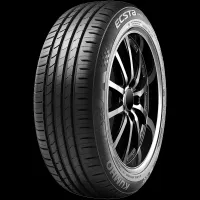
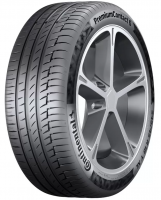
The newly updated Kumho Ecsta HS51 finished third, just ahead of the Continental PremiumContact 6 in fourth, once again confirming that the wear issues Continental have experienced in the past are long behind them.
- Goodyear EfficientGrip Performance
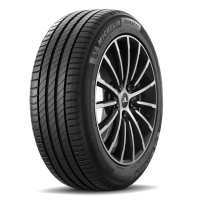
- Michelin Primacy 4
- Kumho Ecsta HS51
- Continental Premium Contact 6
- Debica Presto HP 2
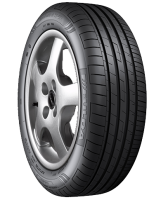
- Fulda EcoControl HP2
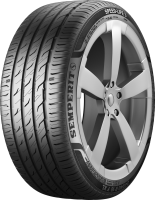
- Semperit Speed Life 3
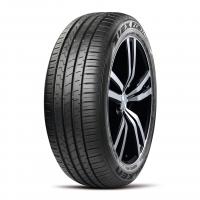
- Falken ZIEX ZE310 EcoRun
- BFGoodrich Advantage
- Uniroyal RainSport 5
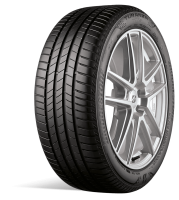
- Bridgestone Turanza T005
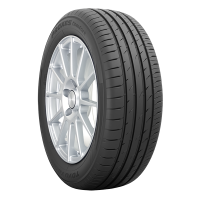
- Toyo Proxes Comfort
- Kleber Dynaxer HP4
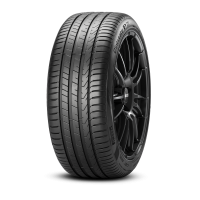
- Pirelli Cinturato P7 C2
- Nexen N Blue HD Plus
- Firestone RoadHawk
- Dunlop Sport BluResponse
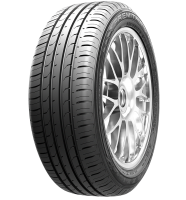
- Maxxis Premitra HP5
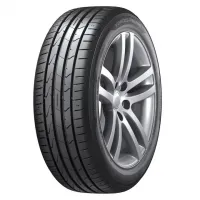
- Hankook Ventus Prime 3 K125
- Nokian WetProof
The losers of the test were sadly Pirelli, Hankook, Dunlop and Nokian, which all performed badly in the wear test. This was compounded when Auto Bild combined the projected tyre life with the purchase price to give you a price per 1000 kilometers driven, meaning the Pirelli Cinturato P7 C2 was almost twice the cost per mile driven compared to the Goodyear.
- Goodyear EfficientGrip Performance
- Debica Presto HP 2
- Kumho Ecsta HS51
- Fulda EcoControl HP2
- Semperit Speed Life 3
- Falken ZIEX ZE310 EcoRun
- Michelin Primacy 4
- Continental Premium Contact 6
- Nexen N Blue HD Plus
- Uniroyal RainSport 5
- BFGoodrich Advantage
- Kleber Dynaxer HP4
- Toyo Proxes Comfort
- Maxxis Premitra HP5
- Bridgestone Turanza T005
- Firestone RoadHawk
- Pirelli Cinturato P7 C2
- Hankook Ventus Prime 3 K125
- Dunlop Sport BluResponse
- Nokian WetProof
One final thing to note, tread life is only one aspect of wear, the other is how the tyre performs when worn. This isn't something Auto Bild have tested, but is something Tyre Reviews hopes to test in the near future!
Dry
In the dry, the Hankook Ventus Prime3 has a significant advantage in both dry braking and dry handling. The Pirelli Cinturato P7 C2, Kumho HS51 and Maxxis Premitra HP5 also performed well.
- Hankook Ventus Prime 3 K125
- Pirelli Cinturato P7 C2
- Kumho Ecsta HS51
- Maxxis Premitra HP5
- Nokian WetProof
- Toyo Proxes Comfort
- Dunlop Sport BluResponse
- Bridgestone Turanza T005
- Firestone RoadHawk
- Nexen N Blue HD Plus
- Falken ZIEX ZE310 EcoRun
- Michelin Primacy 4
- Fulda EcoControl HP2
- Goodyear EfficientGrip Performance
- Kleber Dynaxer HP4
- Debica Presto HP 2
- Continental Premium Contact 6
- BFGoodrich Advantage
- Uniroyal RainSport 5
- Semperit Speed Life 3
Strangely, some of the tyres that did well in dry braking, didn't perform too well in dry handling. The second placed Pirelli could only manage a midpack result during the dry handling lap, the the BF Goodrich Advantage performed really well over the handling lap, in spite of being one of the worst during the dry braking testing!
- Hankook Ventus Prime 3 K125
- BFGoodrich Advantage
- Firestone RoadHawk
- Toyo Proxes Comfort
- Kumho Ecsta HS51
- Debica Presto HP 2
- Maxxis Premitra HP5
- Bridgestone Turanza T005
- Falken ZIEX ZE310 EcoRun
- Nokian WetProof
- Continental Premium Contact 6
- Pirelli Cinturato P7 C2
- Nexen N Blue HD Plus
- Fulda EcoControl HP2
- Semperit Speed Life 3
- Goodyear EfficientGrip Performance
- Kleber Dynaxer HP4
- Dunlop Sport BluResponse
- Michelin Primacy 4
- Uniroyal RainSport 5
Wet
Hankook again proved its calibre as a good braking tyre, finishing first in the wet braking test, while the Continental PremiumContact 6 and Pirelli rounded out the top three positions. The new Toyo Proxes Comfort seemed to struggle in the wet, but not as much as the Fulda EcoControl HP2.
- Hankook Ventus Prime 3 K125
- Continental Premium Contact 6
- Pirelli Cinturato P7 C2
- Semperit Speed Life 3
- Kumho Ecsta HS51
- Michelin Primacy 4
- Falken ZIEX ZE310 EcoRun
- Firestone RoadHawk
- Bridgestone Turanza T005
- Kleber Dynaxer HP4
- Goodyear EfficientGrip Performance
- Nokian WetProof
- Debica Presto HP 2
- Uniroyal RainSport 5
- BFGoodrich Advantage
- Nexen N Blue HD Plus
- Dunlop Sport BluResponse
- Maxxis Premitra HP5
- Toyo Proxes Comfort
- Fulda EcoControl HP2
In a change of form for the Firestone Roadhawk, it found itself as the fastest tyre around the wet handling lap, tying with Kumho. Again, Pirelli proved to be an impressive tyre finishing in third place.
- Kumho Ecsta HS51
- Firestone RoadHawk
- Pirelli Cinturato P7 C2
- Semperit Speed Life 3
- Hankook Ventus Prime 3 K125
- Uniroyal RainSport 5
- Bridgestone Turanza T005
- Nokian WetProof
- Fulda EcoControl HP2
- Toyo Proxes Comfort
- Maxxis Premitra HP5
- Continental Premium Contact 6
- Michelin Primacy 4
- Debica Presto HP 2
- Dunlop Sport BluResponse
- Kleber Dynaxer HP4
- Goodyear EfficientGrip Performance
- Falken ZIEX ZE310 EcoRun
- Nexen N Blue HD Plus
- BFGoodrich Advantage
As we've come to expect from aquaplaning, the Uniroyal Rainsport 5 won the straight aquaplaning test, and impressively the Kumho was second place, which is surprising for a tyre with so much dry and wet grip.
- Uniroyal RainSport 5
- Kumho Ecsta HS51
- Firestone RoadHawk
- Fulda EcoControl HP2
- Falken ZIEX ZE310 EcoRun
- Michelin Primacy 4
- Pirelli Cinturato P7 C2
- Maxxis Premitra HP5
- Dunlop Sport BluResponse
- Hankook Ventus Prime 3 K125
- Bridgestone Turanza T005
- Semperit Speed Life 3
- Nokian WetProof
- BFGoodrich Advantage
- Debica Presto HP 2
- Kleber Dynaxer HP4
- Goodyear EfficientGrip Performance
- Toyo Proxes Comfort
- Continental Premium Contact 6
- Nexen N Blue HD Plus
Environment
If you're looking for a quiet and comfortable tyre, this test has the Kleber Dynaxer HP4 and Michelin Primacy 4 leading the way.
- Kleber Dynaxer HP4
- Hankook Ventus Prime 3 K125
- Nokian WetProof
- Michelin Primacy 4
- Semperit Speed Life 3
- BFGoodrich Advantage
- Uniroyal RainSport 5
- Nexen N Blue HD Plus
- Falken ZIEX ZE310 EcoRun
- Continental Premium Contact 6
- Goodyear EfficientGrip Performance
- Toyo Proxes Comfort
- Debica Presto HP 2
- Bridgestone Turanza T005
- Kumho Ecsta HS51
- Maxxis Premitra HP5
- Fulda EcoControl HP2
- Dunlop Sport BluResponse
- Pirelli Cinturato P7 C2
- Firestone RoadHawk
Bridgestone offered the lowest rolling resistance.
Results
It's an interesting result overall. Clearly the Kumho Ecsta HS51 has had a big update this year, and Continental will be happy with second and third place overall (Semperit is owned by Continental.) Unfortunately for Goodyear, their sub brand Debica beat the main brand, with the Presto HP2 looking to be a tyre which offers exceptional value.
Any questions, be sure to ask below!
Precise steering, dynamic handling and short braking distances in the dry and wet, well priced.
High rolling resistance.
Exemplary.
| Test |
# |
Result |
Best |
Diff |
% |
| Dry Braking |
3rd |
34.8 M |
34.1 M |
+0.7 M |
97.99% |
| Dry Handling |
4th |
96 Km/H |
96.5 Km/H |
-0.5 Km/H |
99.48% |
| Test |
# |
Result |
Best |
Diff |
% |
| Wet Braking |
5th |
47.5 M |
46.2 M |
+1.3 M |
97.26% |
| Wet Handling |
1st |
78.8 Km/H |
|
|
100% |
| Straight Aqua |
2nd |
85.5 Km/H |
86.1 Km/H |
-0.6 Km/H |
99.3% |
| Test |
# |
Result |
Best |
Diff |
% |
| Noise |
14th |
68.7 dB |
66.6 dB |
+2.1 dB |
96.94% |
| Test |
# |
Result |
Best |
Diff |
% |
| Wear |
3rd |
42160 KM |
47940 KM |
-5780 KM |
87.94% |
| Value |
3rd |
5.81 Price/1000 |
5.74 Price/1000 |
+0.07 Price/1000 |
98.8% |
| Price |
3rd |
245 |
215 |
+30 |
87.76% |
| Rolling Resistance |
20th |
9.31 kg / t |
7.01 kg / t |
+2.3 kg / t |
75.3% |
Premium summer tyre with balance driving behaviour, short wet braking, stable handling, low wear.
Average straight aquaplaning resistance.
Exemplary.
| Test |
# |
Result |
Best |
Diff |
% |
| Dry Braking |
17th |
36.5 M |
34.1 M |
+2.4 M |
93.42% |
| Dry Handling |
11th |
95.6 Km/H |
96.5 Km/H |
-0.9 Km/H |
99.07% |
| Test |
# |
Result |
Best |
Diff |
% |
| Wet Braking |
2nd |
46.3 M |
46.2 M |
+0.1 M |
99.78% |
| Wet Handling |
12th |
77.2 Km/H |
78.8 Km/H |
-1.6 Km/H |
97.97% |
| Straight Aqua |
19th |
79.7 Km/H |
86.1 Km/H |
-6.4 Km/H |
92.57% |
| Test |
# |
Result |
Best |
Diff |
% |
| Noise |
10th |
68.6 dB |
66.6 dB |
+2 dB |
97.08% |
| Test |
# |
Result |
Best |
Diff |
% |
| Wear |
4th |
41480 KM |
47940 KM |
-6460 KM |
86.52% |
| Value |
8th |
7.47 Price/1000 |
5.74 Price/1000 |
+1.73 Price/1000 |
76.84% |
| Price |
18th |
310 |
215 |
+95 |
69.35% |
| Rolling Resistance |
13th |
8.92 kg / t |
7.01 kg / t |
+1.91 kg / t |
78.59% |
Wet specialist with sport dynamic handling and s hort wet braking distances, good aquaplaning safety, low noise, good price level.
Average comfort.
Exemplary.
| Test |
# |
Result |
Best |
Diff |
% |
| Dry Braking |
20th |
37.7 M |
34.1 M |
+3.6 M |
90.45% |
| Dry Handling |
15th |
95.1 Km/H |
96.5 Km/H |
-1.4 Km/H |
98.55% |
| Test |
# |
Result |
Best |
Diff |
% |
| Wet Braking |
4th |
46.8 M |
46.2 M |
+0.6 M |
98.72% |
| Wet Handling |
4th |
78.2 Km/H |
78.8 Km/H |
-0.6 Km/H |
99.24% |
| Straight Aqua |
11th |
81.6 Km/H |
86.1 Km/H |
-4.5 Km/H |
94.77% |
| Test |
# |
Result |
Best |
Diff |
% |
| Noise |
5th |
67.4 dB |
66.6 dB |
+0.8 dB |
98.81% |
| Test |
# |
Result |
Best |
Diff |
% |
| Wear |
6th |
37060 KM |
47940 KM |
-10880 KM |
77.3% |
| Value |
4th |
7.02 Price/1000 |
5.74 Price/1000 |
+1.28 Price/1000 |
81.77% |
| Price |
20th |
360 |
215 |
+145 |
59.72% |
| Rolling Resistance |
12th |
8.63 kg / t |
7.01 kg / t |
+1.62 kg / t |
81.23% |
Cheap summer tyre with dynamic dry handling and low wear and low price.
Average wet handling.
Exemplary.
| Test |
# |
Result |
Best |
Diff |
% |
| Dry Braking |
16th |
36.3 M |
34.1 M |
+2.2 M |
93.94% |
| Dry Handling |
6th |
95.9 Km/H |
96.5 Km/H |
-0.6 Km/H |
99.38% |
| Test |
# |
Result |
Best |
Diff |
% |
| Wet Braking |
13th |
49.9 M |
46.2 M |
+3.7 M |
92.59% |
| Wet Handling |
14th |
76.7 Km/H |
78.8 Km/H |
-2.1 Km/H |
97.34% |
| Straight Aqua |
15th |
81 Km/H |
86.1 Km/H |
-5.1 Km/H |
94.08% |
| Test |
# |
Result |
Best |
Diff |
% |
| Noise |
10th |
68.6 dB |
66.6 dB |
+2 dB |
97.08% |
| Test |
# |
Result |
Best |
Diff |
% |
| Wear |
5th |
37400 KM |
47940 KM |
-10540 KM |
78.01% |
| Value |
2nd |
5.75 Price/1000 |
5.74 Price/1000 |
+0.01 Price/1000 |
99.83% |
| Price |
1st |
215 |
|
|
100% |
| Rolling Resistance |
11th |
8.6 kg / t |
7.01 kg / t |
+1.59 kg / t |
81.51% |
High grip and excellent handling in the dry, short dry braking, lowest rolling resistance on test.
Average comfort.
Exemplary.
| Test |
# |
Result |
Best |
Diff |
% |
| Dry Braking |
7th |
35.4 M |
34.1 M |
+1.3 M |
96.33% |
| Dry Handling |
8th |
95.8 Km/H |
96.5 Km/H |
-0.7 Km/H |
99.27% |
| Test |
# |
Result |
Best |
Diff |
% |
| Wet Braking |
8th |
49.3 M |
46.2 M |
+3.1 M |
93.71% |
| Wet Handling |
7th |
77.9 Km/H |
78.8 Km/H |
-0.9 Km/H |
98.86% |
| Straight Aqua |
11th |
81.6 Km/H |
86.1 Km/H |
-4.5 Km/H |
94.77% |
| Test |
# |
Result |
Best |
Diff |
% |
| Noise |
14th |
68.7 dB |
66.6 dB |
+2.1 dB |
96.94% |
| Test |
# |
Result |
Best |
Diff |
% |
| Wear |
11th |
31960 KM |
47940 KM |
-15980 KM |
66.67% |
| Value |
15th |
9.07 Price/1000 |
5.74 Price/1000 |
+3.33 Price/1000 |
63.29% |
| Price |
17th |
290 |
215 |
+75 |
74.14% |
| Rolling Resistance |
1st |
7.01 kg / t |
|
|
100% |
Best tyre in the dry with the fastest lap and shortest dry braking, very good in the wet with the shortest wet braking, cheap price.
High wear.
Good.
| Test |
# |
Result |
Best |
Diff |
% |
| Dry Braking |
1st |
34.1 M |
|
|
100% |
| Dry Handling |
1st |
96.5 Km/H |
|
|
100% |
| Test |
# |
Result |
Best |
Diff |
% |
| Wet Braking |
1st |
46.2 M |
|
|
100% |
| Wet Handling |
5th |
78.1 Km/H |
78.8 Km/H |
-0.7 Km/H |
99.11% |
| Straight Aqua |
10th |
81.8 Km/H |
86.1 Km/H |
-4.3 Km/H |
95.01% |
| Test |
# |
Result |
Best |
Diff |
% |
| Noise |
2nd |
67.3 dB |
66.6 dB |
+0.7 dB |
98.96% |
| Test |
# |
Result |
Best |
Diff |
% |
| Wear |
19th |
27540 KM |
47940 KM |
-20400 KM |
57.45% |
| Value |
18th |
9.26 Price/1000 |
5.74 Price/1000 |
+3.52 Price/1000 |
61.99% |
| Price |
7th |
255 |
215 |
+40 |
84.31% |
| Rolling Resistance |
9th |
8.38 kg / t |
7.01 kg / t |
+1.37 kg / t |
83.65% |
Good aquaplaning resistance, good handling with short wet and dry braking.
High wear resulting in poor value.
Good.
| Test |
# |
Result |
Best |
Diff |
% |
| Dry Braking |
2nd |
34.5 M |
34.1 M |
+0.4 M |
98.84% |
| Dry Handling |
12th |
95.5 Km/H |
96.5 Km/H |
-1 Km/H |
98.96% |
| Test |
# |
Result |
Best |
Diff |
% |
| Wet Braking |
3rd |
46.4 M |
46.2 M |
+0.2 M |
99.57% |
| Wet Handling |
3rd |
78.4 Km/H |
78.8 Km/H |
-0.4 Km/H |
99.49% |
| Straight Aqua |
7th |
83 Km/H |
86.1 Km/H |
-3.1 Km/H |
96.4% |
| Test |
# |
Result |
Best |
Diff |
% |
| Noise |
19th |
69.2 dB |
66.6 dB |
+2.6 dB |
96.24% |
| Test |
# |
Result |
Best |
Diff |
% |
| Wear |
13th |
30600 KM |
47940 KM |
-17340 KM |
63.83% |
| Value |
16th |
9.15 Price/1000 |
5.74 Price/1000 |
+3.41 Price/1000 |
62.73% |
| Price |
16th |
280 |
215 |
+65 |
76.79% |
| Rolling Resistance |
18th |
9.25 kg / t |
7.01 kg / t |
+2.24 kg / t |
75.78% |
Premium tyres with short wet and dry braking distances, very low rolling resistance very low wear, good comfort.
Sluggish handling.
Good.
| Test |
# |
Result |
Best |
Diff |
% |
| Dry Braking |
10th |
35.8 M |
34.1 M |
+1.7 M |
95.25% |
| Dry Handling |
19th |
94.4 Km/H |
96.5 Km/H |
-2.1 Km/H |
97.82% |
| Test |
# |
Result |
Best |
Diff |
% |
| Wet Braking |
5th |
47.5 M |
46.2 M |
+1.3 M |
97.26% |
| Wet Handling |
13th |
76.8 Km/H |
78.8 Km/H |
-2 Km/H |
97.46% |
| Straight Aqua |
5th |
83.2 Km/H |
86.1 Km/H |
-2.9 Km/H |
96.63% |
| Test |
# |
Result |
Best |
Diff |
% |
| Noise |
2nd |
67.3 dB |
66.6 dB |
+0.7 dB |
98.96% |
| Test |
# |
Result |
Best |
Diff |
% |
| Wear |
2nd |
44200 KM |
47940 KM |
-3740 KM |
92.2% |
| Value |
7th |
7.24 Price/1000 |
5.74 Price/1000 |
+1.5 Price/1000 |
79.28% |
| Price |
19th |
320 |
215 |
+105 |
67.19% |
| Rolling Resistance |
4th |
7.77 kg / t |
7.01 kg / t |
+0.76 kg / t |
90.22% |
Precise driving behaviour in the wet and dry, saafe aquaplaning characteristics, short dry braking.
High wear / low value.
Good.
| Test |
# |
Result |
Best |
Diff |
% |
| Dry Braking |
9th |
35.7 M |
34.1 M |
+1.6 M |
95.52% |
| Dry Handling |
3rd |
96.1 Km/H |
96.5 Km/H |
-0.4 Km/H |
99.59% |
| Test |
# |
Result |
Best |
Diff |
% |
| Wet Braking |
8th |
49.3 M |
46.2 M |
+3.1 M |
93.71% |
| Wet Handling |
1st |
78.8 Km/H |
|
|
100% |
| Straight Aqua |
3rd |
84.3 Km/H |
86.1 Km/H |
-1.8 Km/H |
97.91% |
| Test |
# |
Result |
Best |
Diff |
% |
| Noise |
20th |
69.9 dB |
66.6 dB |
+3.3 dB |
95.28% |
| Test |
# |
Result |
Best |
Diff |
% |
| Wear |
16th |
27880 KM |
47940 KM |
-20060 KM |
58.16% |
| Value |
16th |
9.15 Price/1000 |
5.74 Price/1000 |
+3.41 Price/1000 |
62.73% |
| Price |
7th |
255 |
215 |
+40 |
84.31% |
| Rolling Resistance |
10th |
8.51 kg / t |
7.01 kg / t |
+1.5 kg / t |
82.37% |
Lowest wear on test, best value tyre on test, very low rolling resistance, good ride comfort.
Slightly delayed steering.
Good.
| Test |
# |
Result |
Best |
Diff |
% |
| Dry Braking |
14th |
36.1 M |
34.1 M |
+2 M |
94.46% |
| Dry Handling |
16th |
94.9 Km/H |
96.5 Km/H |
-1.6 Km/H |
98.34% |
| Test |
# |
Result |
Best |
Diff |
% |
| Wet Braking |
11th |
49.5 M |
46.2 M |
+3.3 M |
93.33% |
| Wet Handling |
16th |
76.5 Km/H |
78.8 Km/H |
-2.3 Km/H |
97.08% |
| Straight Aqua |
17th |
80.1 Km/H |
86.1 Km/H |
-6 Km/H |
93.03% |
| Test |
# |
Result |
Best |
Diff |
% |
| Noise |
10th |
68.6 dB |
66.6 dB |
+2 dB |
97.08% |
| Test |
# |
Result |
Best |
Diff |
% |
| Wear |
1st |
47940 KM |
|
|
100% |
| Value |
1st |
5.74 Price/1000 |
|
|
100% |
| Price |
15th |
275 |
215 |
+60 |
78.18% |
| Rolling Resistance |
2nd |
7.24 kg / t |
7.01 kg / t |
+0.23 kg / t |
96.82% |
Dynamic handling and precise steering in the dry.
Understeer in the wet.
Acceptable.
| Test |
# |
Result |
Best |
Diff |
% |
| Dry Braking |
18th |
36.7 M |
34.1 M |
+2.6 M |
92.92% |
| Dry Handling |
2nd |
96.2 Km/H |
96.5 Km/H |
-0.3 Km/H |
99.69% |
| Test |
# |
Result |
Best |
Diff |
% |
| Wet Braking |
13th |
49.9 M |
46.2 M |
+3.7 M |
92.59% |
| Wet Handling |
20th |
75.4 Km/H |
78.8 Km/H |
-3.4 Km/H |
95.69% |
| Straight Aqua |
13th |
81.3 Km/H |
86.1 Km/H |
-4.8 Km/H |
94.43% |
| Test |
# |
Result |
Best |
Diff |
% |
| Noise |
6th |
67.5 dB |
66.6 dB |
+0.9 dB |
98.67% |
| Test |
# |
Result |
Best |
Diff |
% |
| Wear |
9th |
33320 KM |
47940 KM |
-14620 KM |
69.5% |
| Value |
11th |
8.1 Price/1000 |
5.74 Price/1000 |
+2.36 Price/1000 |
70.86% |
| Price |
13th |
270 |
215 |
+55 |
79.63% |
| Rolling Resistance |
8th |
8.31 kg / t |
7.01 kg / t |
+1.3 kg / t |
84.36% |
Best aquaplaning resistance, stable balanced handling in the wet.
Understeer in the dry, high rolling resistance.
Acceptable.
| Test |
# |
Result |
Best |
Diff |
% |
| Dry Braking |
19th |
37.4 M |
34.1 M |
+3.3 M |
91.18% |
| Dry Handling |
20th |
94.3 Km/H |
96.5 Km/H |
-2.2 Km/H |
97.72% |
| Test |
# |
Result |
Best |
Diff |
% |
| Wet Braking |
13th |
49.9 M |
46.2 M |
+3.7 M |
92.59% |
| Wet Handling |
6th |
78 Km/H |
78.8 Km/H |
-0.8 Km/H |
98.98% |
| Straight Aqua |
1st |
86.1 Km/H |
|
|
100% |
| Test |
# |
Result |
Best |
Diff |
% |
| Noise |
7th |
68.3 dB |
66.6 dB |
+1.7 dB |
97.51% |
| Test |
# |
Result |
Best |
Diff |
% |
| Wear |
10th |
32300 KM |
47940 KM |
-15640 KM |
67.38% |
| Value |
10th |
8.05 Price/1000 |
5.74 Price/1000 |
+2.31 Price/1000 |
71.3% |
| Price |
9th |
260 |
215 |
+45 |
82.69% |
| Rolling Resistance |
17th |
9.24 kg / t |
7.01 kg / t |
+2.23 kg / t |
75.87% |
Good in the dry, short dry braking.
Long wet braking, high rolling resistance.
Acceptable.
| Test |
# |
Result |
Best |
Diff |
% |
| Dry Braking |
6th |
35.2 M |
34.1 M |
+1.1 M |
96.88% |
| Dry Handling |
4th |
96 Km/H |
96.5 Km/H |
-0.5 Km/H |
99.48% |
| Test |
# |
Result |
Best |
Diff |
% |
| Wet Braking |
19th |
51.9 M |
46.2 M |
+5.7 M |
89.02% |
| Wet Handling |
9th |
77.6 Km/H |
78.8 Km/H |
-1.2 Km/H |
98.48% |
| Straight Aqua |
17th |
80.1 Km/H |
86.1 Km/H |
-6 Km/H |
93.03% |
| Test |
# |
Result |
Best |
Diff |
% |
| Noise |
10th |
68.6 dB |
66.6 dB |
+2 dB |
97.08% |
| Test |
# |
Result |
Best |
Diff |
% |
| Wear |
11th |
31960 KM |
47940 KM |
-15980 KM |
66.67% |
| Value |
13th |
8.29 Price/1000 |
5.74 Price/1000 |
+2.55 Price/1000 |
69.24% |
| Price |
12th |
265 |
215 |
+50 |
81.13% |
| Rolling Resistance |
15th |
9.13 kg / t |
7.01 kg / t |
+2.12 kg / t |
76.78% |
Good aquaplaning resistance, dynamic wet and dry handling, short dry braking.
High wear, high rolling resistance.
Acceptable.
| Test |
# |
Result |
Best |
Diff |
% |
| Dry Braking |
4th |
35 M |
34.1 M |
+0.9 M |
97.43% |
| Dry Handling |
6th |
95.9 Km/H |
96.5 Km/H |
-0.6 Km/H |
99.38% |
| Test |
# |
Result |
Best |
Diff |
% |
| Wet Braking |
18th |
50.4 M |
46.2 M |
+4.2 M |
91.67% |
| Wet Handling |
11th |
77.3 Km/H |
78.8 Km/H |
-1.5 Km/H |
98.1% |
| Straight Aqua |
8th |
82.9 Km/H |
86.1 Km/H |
-3.2 Km/H |
96.28% |
| Test |
# |
Result |
Best |
Diff |
% |
| Noise |
14th |
68.7 dB |
66.6 dB |
+2.1 dB |
96.94% |
| Test |
# |
Result |
Best |
Diff |
% |
| Wear |
16th |
27880 KM |
47940 KM |
-20060 KM |
58.16% |
| Value |
14th |
8.97 Price/1000 |
5.74 Price/1000 |
+3.23 Price/1000 |
63.99% |
| Price |
4th |
250 |
215 |
+35 |
86% |
| Rolling Resistance |
18th |
9.25 kg / t |
7.01 kg / t |
+2.24 kg / t |
75.78% |
Balanced handling and short braking in the dry, well priced.
Average steering precision and low grip in the wet.
Acceptable.
| Test |
# |
Result |
Best |
Diff |
% |
| Dry Braking |
10th |
35.8 M |
34.1 M |
+1.7 M |
95.25% |
| Dry Handling |
8th |
95.8 Km/H |
96.5 Km/H |
-0.7 Km/H |
99.27% |
| Test |
# |
Result |
Best |
Diff |
% |
| Wet Braking |
7th |
49.1 M |
46.2 M |
+2.9 M |
94.09% |
| Wet Handling |
18th |
76.2 Km/H |
78.8 Km/H |
-2.6 Km/H |
96.7% |
| Straight Aqua |
5th |
83.2 Km/H |
86.1 Km/H |
-2.9 Km/H |
96.63% |
| Test |
# |
Result |
Best |
Diff |
% |
| Noise |
8th |
68.4 dB |
66.6 dB |
+1.8 dB |
97.37% |
| Test |
# |
Result |
Best |
Diff |
% |
| Wear |
8th |
35020 KM |
47940 KM |
-12920 KM |
73.05% |
| Value |
6th |
7.14 Price/1000 |
5.74 Price/1000 |
+1.4 Price/1000 |
80.39% |
| Price |
4th |
250 |
215 |
+35 |
86% |
| Rolling Resistance |
14th |
8.97 kg / t |
7.01 kg / t |
+1.96 kg / t |
78.15% |
Very good aquaplaning resistance, nice balanced handling in the wet.
Longest wet braking, slow steering in the dry.
Acceptable.
| Test |
# |
Result |
Best |
Diff |
% |
| Dry Braking |
13th |
36 M |
34.1 M |
+1.9 M |
94.72% |
| Dry Handling |
14th |
95.3 Km/H |
96.5 Km/H |
-1.2 Km/H |
98.76% |
| Test |
# |
Result |
Best |
Diff |
% |
| Wet Braking |
20th |
52.8 M |
46.2 M |
+6.6 M |
87.5% |
| Wet Handling |
9th |
77.6 Km/H |
78.8 Km/H |
-1.2 Km/H |
98.48% |
| Straight Aqua |
4th |
83.8 Km/H |
86.1 Km/H |
-2.3 Km/H |
97.33% |
| Test |
# |
Result |
Best |
Diff |
% |
| Noise |
14th |
68.7 dB |
66.6 dB |
+2.1 dB |
96.94% |
| Test |
# |
Result |
Best |
Diff |
% |
| Wear |
6th |
37060 KM |
47940 KM |
-10880 KM |
77.3% |
| Value |
4th |
7.02 Price/1000 |
5.74 Price/1000 |
+1.28 Price/1000 |
81.77% |
| Price |
9th |
260 |
215 |
+45 |
82.69% |
| Rolling Resistance |
7th |
8.29 kg / t |
7.01 kg / t |
+1.28 kg / t |
84.56% |
Good in the dry and wet.
Highest wear on test, lowest value on test.
Acceptable.
| Test |
# |
Result |
Best |
Diff |
% |
| Dry Braking |
5th |
35.1 M |
34.1 M |
+1 M |
97.15% |
| Dry Handling |
10th |
95.7 Km/H |
96.5 Km/H |
-0.8 Km/H |
99.17% |
| Test |
# |
Result |
Best |
Diff |
% |
| Wet Braking |
11th |
49.5 M |
46.2 M |
+3.3 M |
93.33% |
| Wet Handling |
8th |
77.7 Km/H |
78.8 Km/H |
-1.1 Km/H |
98.6% |
| Straight Aqua |
13th |
81.3 Km/H |
86.1 Km/H |
-4.8 Km/H |
94.43% |
| Test |
# |
Result |
Best |
Diff |
% |
| Noise |
2nd |
67.3 dB |
66.6 dB |
+0.7 dB |
98.96% |
| Test |
# |
Result |
Best |
Diff |
% |
| Wear |
20th |
26180 KM |
47940 KM |
-21760 KM |
54.61% |
| Value |
20th |
9.93 Price/1000 |
5.74 Price/1000 |
+4.19 Price/1000 |
57.8% |
| Price |
9th |
260 |
215 |
+45 |
82.69% |
| Rolling Resistance |
5th |
8.07 kg / t |
7.01 kg / t |
+1.06 kg / t |
86.86% |
Low noise, low rolling resistance.
Understeer and sluggish steering in the dry and wet.
Acceptable.
| Test |
# |
Result |
Best |
Diff |
% |
| Dry Braking |
15th |
36.2 M |
34.1 M |
+2.1 M |
94.2% |
| Dry Handling |
17th |
94.8 Km/H |
96.5 Km/H |
-1.7 Km/H |
98.24% |
| Test |
# |
Result |
Best |
Diff |
% |
| Wet Braking |
8th |
49.3 M |
46.2 M |
+3.1 M |
93.71% |
| Wet Handling |
16th |
76.5 Km/H |
78.8 Km/H |
-2.3 Km/H |
97.08% |
| Straight Aqua |
16th |
80.9 Km/H |
86.1 Km/H |
-5.2 Km/H |
93.96% |
| Test |
# |
Result |
Best |
Diff |
% |
| Noise |
1st |
66.6 dB |
|
|
100% |
| Test |
# |
Result |
Best |
Diff |
% |
| Wear |
13th |
30600 KM |
47940 KM |
-17340 KM |
63.83% |
| Value |
12th |
8.17 Price/1000 |
5.74 Price/1000 |
+2.43 Price/1000 |
70.26% |
| Price |
4th |
250 |
215 |
+35 |
86% |
| Rolling Resistance |
6th |
8.18 kg / t |
7.01 kg / t |
+1.17 kg / t |
85.7% |
Good aquaplaning resistance, short dry braking, low rolling resistance.
Understeer in the dry and wet, slow steering, low value.
Acceptable.
| Test |
# |
Result |
Best |
Diff |
% |
| Dry Braking |
7th |
35.4 M |
34.1 M |
+1.3 M |
96.33% |
| Dry Handling |
18th |
94.5 Km/H |
96.5 Km/H |
-2 Km/H |
97.93% |
| Test |
# |
Result |
Best |
Diff |
% |
| Wet Braking |
17th |
50.3 M |
46.2 M |
+4.1 M |
91.85% |
| Wet Handling |
15th |
76.6 Km/H |
78.8 Km/H |
-2.2 Km/H |
97.21% |
| Straight Aqua |
9th |
82.3 Km/H |
86.1 Km/H |
-3.8 Km/H |
95.59% |
| Test |
# |
Result |
Best |
Diff |
% |
| Noise |
18th |
69.1 dB |
66.6 dB |
+2.5 dB |
96.38% |
| Test |
# |
Result |
Best |
Diff |
% |
| Wear |
16th |
27880 KM |
47940 KM |
-20060 KM |
58.16% |
| Value |
19th |
9.68 Price/1000 |
5.74 Price/1000 |
+3.94 Price/1000 |
59.3% |
| Price |
13th |
270 |
215 |
+55 |
79.63% |
| Rolling Resistance |
3rd |
7.28 kg / t |
7.01 kg / t |
+0.27 kg / t |
96.29% |
STable safe handling and short braking in the dry, low price.
Slow steering and understeer in the wet, average wear.
Acceptable.
| Test |
# |
Result |
Best |
Diff |
% |
| Dry Braking |
10th |
35.8 M |
34.1 M |
+1.7 M |
95.25% |
| Dry Handling |
13th |
95.4 Km/H |
96.5 Km/H |
-1.1 Km/H |
98.86% |
| Test |
# |
Result |
Best |
Diff |
% |
| Wet Braking |
16th |
50.2 M |
46.2 M |
+4 M |
92.03% |
| Wet Handling |
19th |
76 Km/H |
78.8 Km/H |
-2.8 Km/H |
96.45% |
| Straight Aqua |
20th |
79.3 Km/H |
86.1 Km/H |
-6.8 Km/H |
92.1% |
| Test |
# |
Result |
Best |
Diff |
% |
| Noise |
8th |
68.4 dB |
66.6 dB |
+1.8 dB |
97.37% |
| Test |
# |
Result |
Best |
Diff |
% |
| Wear |
15th |
30260 KM |
47940 KM |
-17680 KM |
63.12% |
| Value |
9th |
7.6 Price/1000 |
5.74 Price/1000 |
+1.86 Price/1000 |
75.53% |
| Price |
2nd |
230 |
215 |
+15 |
93.48% |
| Rolling Resistance |
16th |
9.14 kg / t |
7.01 kg / t |
+2.13 kg / t |
76.7% |

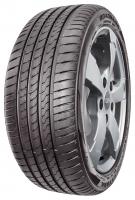
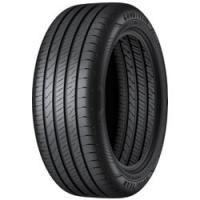
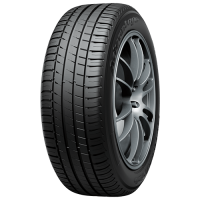
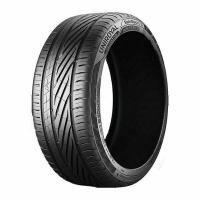
Another very very odd German test result. For example the Hankook beats the Conti in every test in wet, dry, aqua, noise etc yet the Conti is 2nd and the Hankook 5th. I know wear and value which are the only categories where the Conti beats the Hankook are important but this is frankly bizarre. In fact it's worse than that as the Conti doesn't score in the top 10 anywhere other than wet braking 2nd, wear 4th and value 8th. Other than scoring wear at 80% and everything else at 20% I truly don't see how the Conti finishes in the top 10 never mind 2nd.
Maybe they should have called it the Auto Bild wear test!!!
Very peculiar.
Hello!
Well as most of the test shows, the Ecsta HS51 is a damn good tyre and i decided to buy it, but as im looking at the shops in my country, i can only find "Solus HS51" not the Ecsta one. Maybe you guys know if they different or just different name for other markets? Did these tyres get the same mid life update as the Ecsta ones?
I believe it's a different tyre range, a little more comfort bias. I couldn't comment on if or when it could have been updated though, sorry.
Hi guys! I have an audi a4, 225/50/R17.
Would Goodyear EG2 be a good choice? I do not care about sportiness of tires.
Sure would :)
Thank you for the quick review! I asked around and usually people recommended eagle f1 asymmetric 5 - the thing is, this is more of a sporty tire that wears out more quickly and is less comfortable by what I've gathered.
Anyways, the thing is - EG2 is 94W, while Eagle F1 is 94Y. My audi is 94Y recommended. Am I going too deep into this and is it pretty much the same thing in my case?
These are the ones I'm stuck in between:
goodyear eagle-f1-asymmetric-5 225-50-r17-94y
https://www.tyreleader.co.u...
goodyear efficientgrip-performance-2 225-50-r17-94w
https://www.tyreleader.co.u...
I've never bought tires for a car so I don't wanna mess it up!
The wear on the Asym 5 is very good so I wouldn't worry about that, it also has good comfort levels but if comfort is your main drive, the EGP2 is the better choice
On your Audi A4 should be enough the speed index "V" = max. speed 240 km/h, maybe even "H" = max. speed 210 km/h.
No reason to pay (much) more for speed index "W" = max. speed 270 km/h or even "Y" = max. speed 300 km/h!!!
Most probably EGP2 will last (much) more km than sportive Eagle F1, which is again usually more expensive.
Any idea on the date in which the Kumho Ecsta HS51 was updated? I've just had a set of 4 put on with date mark 52/20 - wondering if this date mark is new enough to have the updated model or if I've got the previous version? Thanks
I don't, but I would guess the tyres tested in this test are older than that so you should be good :)
Nexen, Falken or Bridgestone on a focus mark 3?
without pattern names impossible to answer but this site should give you all the data you need :)
None of the reviews measure comfort. Is one brand better then another over this?
I went on the road and could feel pot holes, uneven road surface, repaired roads etc...
I've rated comfort in my recent tyre tests, but it can get quite tricky with 16" tyres as a lot feel similar
mmm, highest rolling resistance tyre "wins"!! Makes me think in real terms, what is the real-world value of a low(er) rolling resistance tyre (like the Goodyear Effgrip Perf 2)...?
It's down to priority, I'd be interested in calculating what differences these values make in the real world too. Something I'll add to the list!
It is not really possible as even the same tyres do not achieve consistent results, excel in one test and become average or fail in the other. One can just grasp some general ideas of how the particular tyre would behave in given conditions over a series of different tests (omitting extreme results of course).
For example, in my case I get basically same long-term average fuel consumption (ca. 6,3 l per 100 km) with Nokian Weatherproof (A/B) as I used to with Goodyear Efficientgrip Performance (A/C) I had before; yet with old Bridgestone ER300 (C/E) I was over 7 (all 195/50 R15 on an old Fabia 1.4). Hankook or Falken are both A/E in my size and I would bet my fuel consumption, if I tried them, would be closer to the GY than the old ER300 and so would be Bridgestone T005 (A/B). Saying that, I am pretty sure that the difference between the best and worst in this test would be insignificant, less than 0,1 l / 100 km.
What sort of annoys me much more is the emphasis on mileage which is relevant only in just two cases - either fleet cars (in finding the cheapest 'eternal' tyres for cost-cutters) or doing more than 20K miles per year. But if you do, say, 10K which is sort of average and between November and March you need to have winter tyres on, in just four or five years you either have to throw them away with 5 mm of tread left or use dangerous tyres with plenty of tread but no grip. And, honestly, the Goodyears, excellent in the beginning, significantly lost traction after just four years, just like the Bridgestones before.
Sadly, nobody tests how tyres would behave after a few years of service because simulating it would be even more difficult to do (surface grinding, chemical substances like hydrogen peroxide exposure and strong UV radiation perhaps?)
Great post :)
As you mention, wear testing is very expensive as the only way to do it really properly is to have the tyres worn in the real world,in convey, which takes a lot of resource and money.
I don't fully agree in this point: "...in just four or five years you either have to throw them away with 5 mm of tread left or use dangerous tyres with plenty of tread but no grip."
The tyres technology was progressing, especially with the chemicals and mixing technology (even at the nano level), so even using older than 5y. tyres usually doesn't cause a problem, typically when not stored directly on sun permanently.
As you know, e.g. the UK just introduced legal 10 years limit just for the buses and trucks, not for personal cars and vans...
If all personal cars users would throw all their >5y. tyres away, the consumption and waste would rapidly increase and it would have also a price impact..
It should rather be judged individually in a garage, case by case, together with the car holder and typical driver's/car's use. Its always a compromise, at the end, for a normal consumer.
Even good quality tyres (I do regard Goodyear Efficientgrip Performance as one of the best of its generation) properly stored in dry, dark and cool place, cleaned before storage, sidewalls cured etc., lose their properties over time.
What I want to say is that the makers seem only to care about mileage and rolling resistance (which are sort of 'tested' but do not always represent the real world) rather than how would the product perform in a few years' time, I know, 'ecology' and 'TCO'. But... Focusing on mileage contradicts both grip and performance consistency. Has to. Sadly, many testers fell in the same trap as safety should be always the main criteria.
One wouldn't realize until experiences it oneself. If you disable ABS or take a car without it (good brakes in proper condition required) to get a more direct feeling and try the same make and model of tyres, one less than a year old, the other used for a few years and try, you'll be surprised how bad the old are compared to fresher ones. If you see a car spinning its wheels trying to set off uphill in the wet, the driver does not necessarily have to be a muppet, he more likely has rubbish or old tyres with no traction. Or if you see a car braking at traffic lights from a speed well within the limit with squeaking tyres. Yes, those may be a rubbish brand, but, more likely, they are 'just' old.
I am missing a tyre that an average driver that has a separate summer and winter set would wear in four years before it degrades to a level its properties (especially braking distance) get significantly worse. Something like Continental PremiumContact 5 used to be. That's why I don't find the criticism against Nokian fair.
But I've got too far from the orginal question where the answer was that the difference in fuel consumption between the best and worst of the test would be less than 0,1 l (much less than 1 MPG).
Actually this summer season I use again the GoodYear EfficientGrip Performance 195/65 R15 on our VW Golf VI 1.6 TDi Bluemotion for their 7th and last year (3-3.5 mm thread depth left) and I am looking forward to see if any ageing patterns will really occur. But I am a very economical driver and there is unbelievable dry weather in Belgium...so difficult to see our front wheels spinning in a steep wet hill...:-) .
On the other hand 1050-1200 km fuel autonomy with 55 l Diesel tank really save money all the years, thank you Goodyear!, will buy again (2.gen.), if possible.
P.S. I don't drive without ABS/ESP/ESR, makes no sense to me, unless steep snowy hill in the mountains.
I will soon directly compare with cheaper but newer Hankook K425 (Eco), which are on the rear and the same couple ready to put in the front next summer.
No own accident alived past more than 20 years, so far.
As I said, there is nothing like own experience (in direct comparison). Without any offense, 'I have' means nothing, 'I have had a chance to compare' is what matters.
For me, safety is well above a minor difference in economy.
I am a 'normal', relaxed but not a slow driver, also not a wheel spinner or late braker.
However I have been at enough crash sites where money savers and hypermilers ran into cars in front of them which managed to stop but they didn't or relied on ESP, aquaplaned in even low speed and crashed, jamming all lanes etc.
If you were happy with the PCP 5 than you shouldn't overlook the PCP 6, which has even newer compound mix and technologies inclusive its tested safe longevity (10-15%).
No, you do not have to throw away 4-5 y. old tyres with 5 mm thread left. Its simply not true, e.g. Michelin tests their tyres used and aged and built on that its main differentiation strategy of Total performance, means good and safe tyres till the legal tread limit. I can imagine similar procedure is valid also for other, at least premium producers.
The EU has an Excel sheet to evaluate the difference in cost, taking in account the consumption, urban vs highway, fuel price an total tyre life: https://ec.europa.eu/energy...
Energy letters have changed since then, so E in the file is the current D and F & G in the file are the current E.
The current E versus A means at least 60 % increased rolling resistance.
Based on the current UE values, the Kumho would get a D and the Bridgestone a B.
Current regulation: https://eur-lex.europa.eu/l...
Thanks for sharing!
I'd be interested in your analytical observations concerning the comparative performance of the PC6 in the handling (wet & dry) & braking (dry) disciplines.
I believe there was an update to the PC6 at some point in the last few years if you're questioning why the values are evolving?
I'm wondering why the PC6 results are relatively mediocre in those disciplines. The AutoBild team is well respected but is there something out of step with other testers about their protocols or is it just that the PC6 works less well in smaller sizes or . . .?
Less well is relative. Dry handling it was less than 1% behind, which in terms of testing is as close as it can be. I have found wet handling can vary on the PC6 based on water depth as the tyre doesn't like standing water in turns as it has poor aqua resistance.
Yep. Ta.
I do wish tests had more info about protocols employed.
Sweet! Finally full thing, following the earlier breaking only test. Cheers!
It seems that after longish thinking whether switching from Sport Maxx RT to Primacy 4 (instead of PS4 or sth else) won't be too harsh, it wasn't that bad after all. My first days on them and so far so good. I'll add a review after getting the real feel of them when it gets warmer and more km driven. Not an UHP tyre, but I wanted comfort for a change :) Glad to see it performs well in safety-oriented aspects of the test in this size as well.
Glad you're happy with your switch and I look forward to the review in the future :)
Pity you didn't go for the PS4. I have them in this size on my car for a few years (25.000 Kms) and I can assure you they are really sporty either in dry or wet and surprisingly comfortable. They really soften bumps and all sorts of road imperfections and are not particularly noisy, as well. They just don't give you some feedback from the road (steering wheel), as I would like, in the dry, but a ton of information in the wet, where they excel. They are some 15% more expensive than the Primacy 4 but wear out a lot faster, although I think I can extract some extra 15-20.000 Kms from them, so they are costly!
Thanks! I did digest the topic for quite some time TBH. PS4 were on my mind for quite some time, but eventually I went with Primacy. Why? 2nd, rarely used car, Dunlop Sportmaxx RT (still had 4 mm thread but it would be their 8th season, so I wanted to change) were really great and QUIET. PS4 are louder and offer less comfort. Since I was already willing to put all-season tyres on this little-used (5-6k km annual) due to company car used as primary, I'd do so if I wouldn't have 2 sets of rims ;) So I went with good braking and good comfort. PS4 vs. Primacy 4 seemed like a better tyre to drive and enjoy, but again - for this car I needed comfort until they get old (not wear the tread). PS4 didn't seem to get good opinions on comfort, especially after a few years of use. Hence the Primacy, despite not so great feedback and driving experience. Just a safe, all-round, comfy & quiet cruising tyre :)
And BTW - for me Primacy 4 and PS4 were at exactly the same price (as Primacy already from this year - 5 weeks old, while PS4 were still from October 2020). I never agree to the same price for a tyre 6+ months old and always negotiate (for a company / fleet car). Here they weren't old but the selller offered a discount due to '2020' stock. With car batteries 6-12 months old I don't negotiate. Just don't buy them, unless I know the person selling - proper maintenance done. With tyres, since I change them due to their age, not wear, I always buy <6 months old and for the 'psychological effect, always current year :) (e.g. 5220 vs. 01211 - really no difference, right, but for some people it's 2020, not 2021, so for the sake of later car reselling, I always take the current year tyre.
I'm way in my forties and, with those PS4, no complaints from my kidneys or my rear end, but the suspension on my Audi A3 is standard, not sporty...
My Focus has a 'stock lowered', a bit sturdy suspension and even 16" wheels don't do much magic here. Surely though it's a difference with 16" comfy tyre vs. 18" low profile that I tested once and said 'no, thank you, it's not a track car' ;)
It is interesting to note that in the wet braking test, 2 tyres that are EU Tyre Label rated 'B' for wet grip, Semperit & Kumho finished ahead of most of the 'A' rated tyres. Worse for Toyo, which is rated 'A', actually stopped more than 5 metres longer that Semperit. Taking a car's length further to come to a stop.
Despite this, the Toyo was still awarded 89.02% for wet braking. Don't you think that in any group test, a tyre that requires more than a car's length (4.5-5.5 metres) to come to a stop, should only deserve 0%? That's why is so important to read the reviewer's comments, and I am looking forward to your video, and comments on the upcoming test.
Thanks for all the great videos and content on you site.
I also noticed the difference between the EU label and tests, and made a note to dig deeper into this when I have a little more time :)
The 89% isn't an award from AB, it's an auto calculation showing the percentage difference the tyre has to the best! 19th place is plenty damning!
Infact, is this Kumho's first test win?
First test win for the HS51 for sure, not sure about ever. I think the V70A (track tyre) might have won a test a long time ago!
Really odd results!
As a new owner of HS51 it is pleasing, but the mix of results, some which contradict fairly consistent findings of other tests, is intriguing... Some does concurr with my own or user review experience, some which contravenes everything else...
It would seem too much emphasis placed upon value rather than performance, which doesn't help a lot but does give a good insight into 'bang for buck'
Given the popularity of the size, it would make sense for Kumho to have rolled in the big update to this size first, but the question begs if it's that much of a step forward, why didn't they update the pattern name!
Why rename the same pattern tbf! Maybe a suffix perhaps, like the ubiquitous + for example...
Giving the pattern a different name, even if it's just a +, allows the customer to see whether they're purchasing the old technology or the new, which is important which this kind of update imo
Indeed.
May well explain their lack of desire to participate in your test, probably just too early for the updated tyres...
Yes, totally agreed! Just the example of Debica (not that it's a bad tyre) shows that safety-oriented results hold this model in the 2nd half of the stake / list, however it's budget-class price makes it finish very high.
And the Primacy I got - well, as usual doesn't excel in any category and is quite expensive, but surely in terms of braking and aquaplaning it did a lot better than higher ranked models.
Handling - well, that's always subjective and the differences in time and / or speed achieved aren't that much of a benchmark for safety as the braking distance and aquaplaning resistance. Also the differences are often smaller (e.g. speed to handle a lap higher by ~1 km/h - still above 90, while braking distance can vary by a few meters, meaning safe stop vs. goodbye). So, perhaps it might be good to add a second ranking, just based on the actual safety and put it next to the overall results. That would be nice to see :)
I did one for myself based on the results from each category and played with filters to see only safety, safety+comfort etc. A bit of fun in Excel showed me a different set of results, depending what I choose to prioritize, still using the same numbers from each category above.
As a side note - again in a German magazine, German tyres hit more points than in other tests... What a 'coincidence' ;)