Test Publication:
Auto Zeitung
205/55 R16
9 tyres
5 categories
Test Size:
205/55 R16
Tyres Tested:
9 tyres
Auto Zeitung is not affiliated with, and does not endorse, Tyre Reviews. This is independent editorial coverage of their published test.
The 2021 Auto Zeitung all season tyre test tested nine all season tyres in the popular 205/55 R16 size.
While this test doesn't have the new Michelin CrossClimate 2 or Pirelli Cinturato All Season SF2, it does have the new Vredestein Quatrac, and even more interestingly, it tested at multiple temperatures. We didn't get precise temperature data, but the magazine did detail that the cooler temperature was under 10c, and the warmer temperature over 20c.
As there's a huge amount of data generated from this test, we've chosen not to database some of the different temperature tests we felt weren't important, such as aquaplaning and noise.
The other caveat is that the split temperature tests were conducted on different proving grounds, with different circuits and grip surfaces so the results aren't directly comparable.
If you'd like to see the full data, head over to the Auto Zeitung website, or there's the key data below.
Dry
The Bridgestone WeatherControl A005 EVO led the way in the cooler dry braking test, and performed well in the warmer dry braking test. The Vredestein Quatrac also performed well at both temperatures, but the Michelin CrossClimate couldn't match its usual dry braking dominance at cooler temperatures, finishing sixth overall. Normal service resumed for the Michelin as the temperature increased, where it led the group.
Nokian, Goodyear and Falken performed poorly at both temperatures.
- Bridgestone Weather Control A005 E
- Hankook Kinergy 4S2
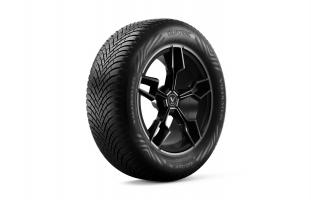
- Vredestein Quatrac
- Maxxis Premitra All Season AP3
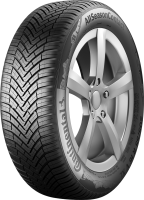
- Continental AllSeasonContact
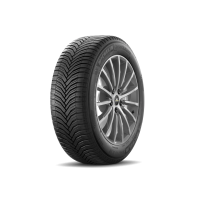
- Michelin CrossClimate Plus
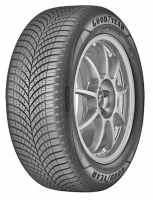
- Goodyear Vector 4Seasons Gen 3
- Falken EUROALL SEASON AS210
- Nokian SeasonProof
- Michelin CrossClimate Plus
- Bridgestone Weather Control A005 E
- Maxxis Premitra All Season AP3
- Vredestein Quatrac
- Hankook Kinergy 4S2
- Nokian SeasonProof
- Continental AllSeasonContact
- Goodyear Vector 4Seasons Gen 3
- Falken EUROALL SEASON AS210
On average, Goodyear and Michelin performed best in the two dry handling tests, with Vredestein also posting a consistent result. Once again, the Nokian SeasonProof struggled at both temperatures.
- Goodyear Vector 4Seasons Gen 3
- Michelin CrossClimate Plus
- Hankook Kinergy 4S2
- Vredestein Quatrac
- Continental AllSeasonContact
- Bridgestone Weather Control A005 E
- Falken EUROALL SEASON AS210
- Maxxis Premitra All Season AP3
- Nokian SeasonProof
- Vredestein Quatrac
- Michelin CrossClimate Plus
- Goodyear Vector 4Seasons Gen 3
- Falken EUROALL SEASON AS210
- Continental AllSeasonContact
- Maxxis Premitra All Season AP3
- Bridgestone Weather Control A005 E
- Hankook Kinergy 4S2
- Nokian SeasonProof
Wet
Wet braking was led by Bridgestone, which had a significant lead in the cooler temperatures. Michelin, Continental and Vredestein again did well.
- Bridgestone Weather Control A005 E
- Michelin CrossClimate Plus
- Vredestein Quatrac
- Goodyear Vector 4Seasons Gen 3
- Continental AllSeasonContact
- Nokian SeasonProof
- Hankook Kinergy 4S2
- Maxxis Premitra All Season AP3
- Falken EUROALL SEASON AS210
- Goodyear Vector 4Seasons Gen 3
- Bridgestone Weather Control A005 E
- Continental AllSeasonContact
- Michelin CrossClimate Plus
- Falken EUROALL SEASON AS210
- Vredestein Quatrac
- Hankook Kinergy 4S2
- Maxxis Premitra All Season AP3
- Nokian SeasonProof
Wet handling closely matched wet braking, other then the Falken Euroall Season AS210 having a surprise result, winning the wet handling at warmer temperatures when it was nearly last in the cooler temperatures.
- Vredestein Quatrac
- Goodyear Vector 4Seasons Gen 3
- Bridgestone Weather Control A005 E
- Michelin CrossClimate Plus
- Continental AllSeasonContact
- Maxxis Premitra All Season AP3
- Nokian SeasonProof
- Falken EUROALL SEASON AS210
- Hankook Kinergy 4S2
- Falken EUROALL SEASON AS210
- Continental AllSeasonContact
- Goodyear Vector 4Seasons Gen 3
- Vredestein Quatrac
- Hankook Kinergy 4S2
- Nokian SeasonProof
- Bridgestone Weather Control A005 E
- Maxxis Premitra All Season AP3
- Michelin CrossClimate Plus
The new Vredestein Quatrac led the wet in the straight aquaplaning test, with Hankook and Bridgestone also performing very well.
- Vredestein Quatrac
- Hankook Kinergy 4S2
- Bridgestone Weather Control A005 E
- Continental AllSeasonContact
- Maxxis Premitra All Season AP3
- Falken EUROALL SEASON AS210
- Nokian SeasonProof
- Michelin CrossClimate Plus
- Goodyear Vector 4Seasons Gen 3
Snow
Snow testing was only performed at one temperature.
As we've seen before, the winter specialists Nokian performed well in snow braking, matching the Continental and slightly ahead of the Falken.
- Continental AllSeasonContact
- Nokian SeasonProof
- Falken EUROALL SEASON AS210
- Michelin CrossClimate Plus
- Vredestein Quatrac
- Hankook Kinergy 4S2
- Bridgestone Weather Control A005 E
- Goodyear Vector 4Seasons Gen 3
- Maxxis Premitra All Season AP3
Hankook led the way in snow handling, with Nokian second and three tyres tied for third place overall.
- Hankook Kinergy 4S2
- Nokian SeasonProof
- Continental AllSeasonContact
- Falken EUROALL SEASON AS210
- Vredestein Quatrac
- Goodyear Vector 4Seasons Gen 3
- Michelin CrossClimate Plus
- Maxxis Premitra All Season AP3
- Bridgestone Weather Control A005 E
Continental and Nokian also led the way in snow traction, confirming these are the best choice for snow driving.
- Continental AllSeasonContact
- Nokian SeasonProof
- Hankook Kinergy 4S2
- Goodyear Vector 4Seasons Gen 3
- Falken EUROALL SEASON AS210
- Vredestein Quatrac
- Michelin CrossClimate Plus
- Bridgestone Weather Control A005 E
- Maxxis Premitra All Season AP3
Environment
All nine sets of tyres were separated by just 3 dB in the external noise test.
- Michelin CrossClimate Plus
- Goodyear Vector 4Seasons Gen 3
- Bridgestone Weather Control A005 E
- Continental AllSeasonContact
- Hankook Kinergy 4S2
- Nokian SeasonProof
- Falken EUROALL SEASON AS210
- Maxxis Premitra All Season AP3
- Vredestein Quatrac
The Nokian SeasonProof led the group in fuel use, with a very low rolling resistance.
Maxxis, Hankook and Falken were the cheapest tyres on test, with Michelin and Continental the most expensive.
- Maxxis Premitra All Season AP3
- Hankook Kinergy 4S2
- Falken EUROALL SEASON AS210
- Vredestein Quatrac
- Nokian SeasonProof
- Bridgestone Weather Control A005 E
- Goodyear Vector 4Seasons Gen 3
- Continental AllSeasonContact
- Michelin CrossClimate Plus
Results
Test victory for the Continental AllSeasonContact. The German all-rounder convinced on snow, wet and dry surfaces.
| Test |
# |
Result |
Best |
Diff |
% |
| Dry Braking - Cool |
5th |
39.7 M |
38 M |
+1.7 M |
95.72% |
| Dry Braking |
7th |
42 M |
39.2 M |
+2.8 M |
93.33% |
| Dry Handling - Cool |
5th |
77.2 s |
76.6 s |
+0.6 s |
99.22% |
| Dry Handling |
5th |
69.7 s |
69.2 s |
+0.5 s |
99.28% |
| Test |
# |
Result |
Best |
Diff |
% |
| Wet Braking |
3rd |
54.9 M |
54.6 M |
+0.3 M |
99.45% |
| Wet Braking - Cool |
5th |
59.7 M |
53.4 M |
+6.3 M |
89.45% |
| Wet Handling - Cool |
5th |
91.5 s |
90.3 s |
+1.2 s |
98.69% |
| Wet Handling |
2nd |
65.1 s |
64.9 s |
+0.2 s |
99.69% |
| Straight Aqua |
4th |
76.2 Km/H |
77.2 Km/H |
-1 Km/H |
98.7% |
| Test |
# |
Result |
Best |
Diff |
% |
| Snow Braking |
1st |
32 M |
|
|
100% |
| Snow Traction |
1st |
2240 N |
|
|
100% |
| Snow Handling |
3rd |
30.4 s |
30 s |
+0.4 s |
98.68% |
| Test |
# |
Result |
Best |
Diff |
% |
| Noise |
4th |
71 dB |
70 dB |
+1 dB |
98.59% |
| Test |
# |
Result |
Best |
Diff |
% |
| Price |
8th |
310 |
240 |
+70 |
77.42% |
| Rolling Resistance |
3rd |
7.9 kg / t |
7.5 kg / t |
+0.4 kg / t |
94.94% |
With top results in the wet and dry, the new Vredestein Quatrac wins the test. Safe on snow, very good value for money.
| Test |
# |
Result |
Best |
Diff |
% |
| Dry Braking - Cool |
3rd |
38.9 M |
38 M |
+0.9 M |
97.69% |
| Dry Braking |
4th |
40.1 M |
39.2 M |
+0.9 M |
97.76% |
| Dry Handling - Cool |
4th |
77.1 s |
76.6 s |
+0.5 s |
99.35% |
| Dry Handling |
1st |
69.2 s |
|
|
100% |
| Test |
# |
Result |
Best |
Diff |
% |
| Wet Braking |
6th |
55.7 M |
54.6 M |
+1.1 M |
98.03% |
| Wet Braking - Cool |
3rd |
56.8 M |
53.4 M |
+3.4 M |
94.01% |
| Wet Handling - Cool |
1st |
90.3 s |
|
|
100% |
| Wet Handling |
4th |
65.6 s |
64.9 s |
+0.7 s |
98.93% |
| Straight Aqua |
1st |
77.2 Km/H |
|
|
100% |
| Test |
# |
Result |
Best |
Diff |
% |
| Snow Braking |
4th |
32.8 M |
32 M |
+0.8 M |
97.56% |
| Snow Traction |
5th |
2152 N |
2240 N |
-88 N |
96.07% |
| Snow Handling |
3rd |
30.4 s |
30 s |
+0.4 s |
98.68% |
| Test |
# |
Result |
Best |
Diff |
% |
| Noise |
7th |
72 dB |
70 dB |
+2 dB |
97.22% |
| Test |
# |
Result |
Best |
Diff |
% |
| Price |
4th |
260 |
240 |
+20 |
92.31% |
| Rolling Resistance |
3rd |
7.9 kg / t |
7.5 kg / t |
+0.4 kg / t |
94.94% |
Strong in the wet and dry, safe in the snow, the Goodyear Vector 4Seasons Gen-3 is highly recommended, and particularly efficient with fuel.
| Test |
# |
Result |
Best |
Diff |
% |
| Dry Braking - Cool |
7th |
41 M |
38 M |
+3 M |
92.68% |
| Dry Braking |
7th |
42 M |
39.2 M |
+2.8 M |
93.33% |
| Dry Handling - Cool |
1st |
76.6 s |
|
|
100% |
| Dry Handling |
3rd |
69.4 s |
69.2 s |
+0.2 s |
99.71% |
| Test |
# |
Result |
Best |
Diff |
% |
| Wet Braking |
1st |
54.6 M |
|
|
100% |
| Wet Braking - Cool |
4th |
59.2 M |
53.4 M |
+5.8 M |
90.2% |
| Wet Handling - Cool |
2nd |
90.5 s |
90.3 s |
+0.2 s |
99.78% |
| Wet Handling |
3rd |
65.5 s |
64.9 s |
+0.6 s |
99.08% |
| Straight Aqua |
9th |
71.4 Km/H |
77.2 Km/H |
-5.8 Km/H |
92.49% |
| Test |
# |
Result |
Best |
Diff |
% |
| Snow Braking |
8th |
33.2 M |
32 M |
+1.2 M |
96.39% |
| Snow Traction |
3rd |
2159 N |
2240 N |
-81 N |
96.38% |
| Snow Handling |
6th |
30.6 s |
30 s |
+0.6 s |
98.04% |
| Test |
# |
Result |
Best |
Diff |
% |
| Noise |
1st |
70 dB |
|
|
100% |
| Test |
# |
Result |
Best |
Diff |
% |
| Price |
7th |
295 |
240 |
+55 |
81.36% |
| Rolling Resistance |
2nd |
7.7 kg / t |
7.5 kg / t |
+0.2 kg / t |
97.4% |
Consistently good results for the highly recommendable Michelin CrossClimate+, when it's wet or dry. Reliable on snowy roads.
| Test |
# |
Result |
Best |
Diff |
% |
| Dry Braking - Cool |
6th |
39.8 M |
38 M |
+1.8 M |
95.48% |
| Dry Braking |
1st |
39.2 M |
|
|
100% |
| Dry Handling - Cool |
2nd |
76.9 s |
76.6 s |
+0.3 s |
99.61% |
| Dry Handling |
2nd |
69.3 s |
69.2 s |
+0.1 s |
99.86% |
| Test |
# |
Result |
Best |
Diff |
% |
| Wet Braking |
4th |
55.1 M |
54.6 M |
+0.5 M |
99.09% |
| Wet Braking - Cool |
2nd |
56.3 M |
53.4 M |
+2.9 M |
94.85% |
| Wet Handling - Cool |
4th |
90.6 s |
90.3 s |
+0.3 s |
99.67% |
| Wet Handling |
9th |
68 s |
64.9 s |
+3.1 s |
95.44% |
| Straight Aqua |
8th |
73 Km/H |
77.2 Km/H |
-4.2 Km/H |
94.56% |
| Test |
# |
Result |
Best |
Diff |
% |
| Snow Braking |
4th |
32.8 M |
32 M |
+0.8 M |
97.56% |
| Snow Traction |
7th |
2114 N |
2240 N |
-126 N |
94.38% |
| Snow Handling |
7th |
30.7 s |
30 s |
+0.7 s |
97.72% |
| Test |
# |
Result |
Best |
Diff |
% |
| Noise |
1st |
70 dB |
|
|
100% |
| Test |
# |
Result |
Best |
Diff |
% |
| Price |
9th |
315 |
240 |
+75 |
76.19% |
| Rolling Resistance |
6th |
8.4 kg / t |
7.5 kg / t |
+0.9 kg / t |
89.29% |
Whether cold or warm: The Bridgestone Weather Control A005 Evo is ideal wet and dry conditions. In the snow, however only average grip
| Test |
# |
Result |
Best |
Diff |
% |
| Dry Braking - Cool |
1st |
38 M |
|
|
100% |
| Dry Braking |
2nd |
39.4 M |
39.2 M |
+0.2 M |
99.49% |
| Dry Handling - Cool |
6th |
77.3 s |
76.6 s |
+0.7 s |
99.09% |
| Dry Handling |
5th |
69.7 s |
69.2 s |
+0.5 s |
99.28% |
| Test |
# |
Result |
Best |
Diff |
% |
| Wet Braking |
2nd |
54.7 M |
54.6 M |
+0.1 M |
99.82% |
| Wet Braking - Cool |
1st |
53.4 M |
|
|
100% |
| Wet Handling - Cool |
2nd |
90.5 s |
90.3 s |
+0.2 s |
99.78% |
| Wet Handling |
7th |
66.6 s |
64.9 s |
+1.7 s |
97.45% |
| Straight Aqua |
3rd |
76.4 Km/H |
77.2 Km/H |
-0.8 Km/H |
98.96% |
| Test |
# |
Result |
Best |
Diff |
% |
| Snow Braking |
7th |
33.1 M |
32 M |
+1.1 M |
96.68% |
| Snow Traction |
8th |
2083 N |
2240 N |
-157 N |
92.99% |
| Snow Handling |
9th |
31.8 s |
30 s |
+1.8 s |
94.34% |
| Test |
# |
Result |
Best |
Diff |
% |
| Noise |
1st |
70 dB |
|
|
100% |
| Test |
# |
Result |
Best |
Diff |
% |
| Price |
6th |
290 |
240 |
+50 |
82.76% |
| Rolling Resistance |
5th |
8.3 kg / t |
7.5 kg / t |
+0.8 kg / t |
90.36% |
Very safe on snow and dry roads, when it's warm, and even when wet and cold.
| Test |
# |
Result |
Best |
Diff |
% |
| Dry Braking - Cool |
2nd |
38.2 M |
38 M |
+0.2 M |
99.48% |
| Dry Braking |
5th |
40.2 M |
39.2 M |
+1 M |
97.51% |
| Dry Handling - Cool |
3rd |
77 s |
76.6 s |
+0.4 s |
99.48% |
| Dry Handling |
8th |
69.8 s |
69.2 s |
+0.6 s |
99.14% |
| Test |
# |
Result |
Best |
Diff |
% |
| Wet Braking |
7th |
56.4 M |
54.6 M |
+1.8 M |
96.81% |
| Wet Braking - Cool |
7th |
63.6 M |
53.4 M |
+10.2 M |
83.96% |
| Wet Handling - Cool |
9th |
94.4 s |
90.3 s |
+4.1 s |
95.66% |
| Wet Handling |
5th |
65.9 s |
64.9 s |
+1 s |
98.48% |
| Straight Aqua |
2nd |
76.6 Km/H |
77.2 Km/H |
-0.6 Km/H |
99.22% |
| Test |
# |
Result |
Best |
Diff |
% |
| Snow Braking |
6th |
33 M |
32 M |
+1 M |
96.97% |
| Snow Traction |
3rd |
2159 N |
2240 N |
-81 N |
96.38% |
| Snow Handling |
1st |
30 s |
|
|
100% |
| Test |
# |
Result |
Best |
Diff |
% |
| Noise |
4th |
71 dB |
70 dB |
+1 dB |
98.59% |
| Test |
# |
Result |
Best |
Diff |
% |
| Price |
2nd |
250 |
240 |
+10 |
96% |
| Rolling Resistance |
7th |
8.7 kg / t |
7.5 kg / t |
+1.2 kg / t |
86.21% |
The new Nokian SeasonProof is very strong in the snow, and has a low rolling resistance, however it's not good enough in the wet.
| Test |
# |
Result |
Best |
Diff |
% |
| Dry Braking - Cool |
9th |
41.6 M |
38 M |
+3.6 M |
91.35% |
| Dry Braking |
6th |
41.7 M |
39.2 M |
+2.5 M |
94% |
| Dry Handling - Cool |
9th |
78.1 s |
76.6 s |
+1.5 s |
98.08% |
| Dry Handling |
9th |
70.5 s |
69.2 s |
+1.3 s |
98.16% |
| Test |
# |
Result |
Best |
Diff |
% |
| Wet Braking |
9th |
58.9 M |
54.6 M |
+4.3 M |
92.7% |
| Wet Braking - Cool |
6th |
62.4 M |
53.4 M |
+9 M |
85.58% |
| Wet Handling - Cool |
7th |
93.5 s |
90.3 s |
+3.2 s |
96.58% |
| Wet Handling |
6th |
66 s |
64.9 s |
+1.1 s |
98.33% |
| Straight Aqua |
7th |
74.6 Km/H |
77.2 Km/H |
-2.6 Km/H |
96.63% |
| Test |
# |
Result |
Best |
Diff |
% |
| Snow Braking |
1st |
32 M |
|
|
100% |
| Snow Traction |
2nd |
2205 N |
2240 N |
-35 N |
98.44% |
| Snow Handling |
2nd |
30.3 s |
30 s |
+0.3 s |
99.01% |
| Test |
# |
Result |
Best |
Diff |
% |
| Noise |
4th |
71 dB |
70 dB |
+1 dB |
98.59% |
| Test |
# |
Result |
Best |
Diff |
% |
| Price |
4th |
260 |
240 |
+20 |
92.31% |
| Rolling Resistance |
1st |
7.5 kg / t |
|
|
100% |
Good results in the snow, strong when wet when warm. When the temperature drops, so does the grip of the AS210.
| Test |
# |
Result |
Best |
Diff |
% |
| Dry Braking - Cool |
8th |
41.3 M |
38 M |
+3.3 M |
92.01% |
| Dry Braking |
9th |
42.1 M |
39.2 M |
+2.9 M |
93.11% |
| Dry Handling - Cool |
7th |
77.4 s |
76.6 s |
+0.8 s |
98.97% |
| Dry Handling |
4th |
69.6 s |
69.2 s |
+0.4 s |
99.43% |
| Test |
# |
Result |
Best |
Diff |
% |
| Wet Braking |
5th |
55.4 M |
54.6 M |
+0.8 M |
98.56% |
| Wet Braking - Cool |
9th |
65.5 M |
53.4 M |
+12.1 M |
81.53% |
| Wet Handling - Cool |
8th |
93.9 s |
90.3 s |
+3.6 s |
96.17% |
| Wet Handling |
1st |
64.9 s |
|
|
100% |
| Straight Aqua |
6th |
75.5 Km/H |
77.2 Km/H |
-1.7 Km/H |
97.8% |
| Test |
# |
Result |
Best |
Diff |
% |
| Snow Braking |
3rd |
32.3 M |
32 M |
+0.3 M |
99.07% |
| Snow Traction |
5th |
2152 N |
2240 N |
-88 N |
96.07% |
| Snow Handling |
3rd |
30.4 s |
30 s |
+0.4 s |
98.68% |
| Test |
# |
Result |
Best |
Diff |
% |
| Noise |
7th |
72 dB |
70 dB |
+2 dB |
97.22% |
| Test |
# |
Result |
Best |
Diff |
% |
| Price |
2nd |
250 |
240 |
+10 |
96% |
| Rolling Resistance |
8th |
8.9 kg / t |
7.5 kg / t |
+1.4 kg / t |
84.27% |
Late aquaplaning and short dry braking distances, but the AP3 generally offers too little grip and has too high a rolling resistance.
| Test |
# |
Result |
Best |
Diff |
% |
| Dry Braking - Cool |
4th |
39.2 M |
38 M |
+1.2 M |
96.94% |
| Dry Braking |
3rd |
39.7 M |
39.2 M |
+0.5 M |
98.74% |
| Dry Handling - Cool |
7th |
77.4 s |
76.6 s |
+0.8 s |
98.97% |
| Dry Handling |
5th |
69.7 s |
69.2 s |
+0.5 s |
99.28% |
| Test |
# |
Result |
Best |
Diff |
% |
| Wet Braking |
8th |
57.9 M |
54.6 M |
+3.3 M |
94.3% |
| Wet Braking - Cool |
8th |
64.6 M |
53.4 M |
+11.2 M |
82.66% |
| Wet Handling - Cool |
6th |
93.3 s |
90.3 s |
+3 s |
96.78% |
| Wet Handling |
8th |
67 s |
64.9 s |
+2.1 s |
96.87% |
| Straight Aqua |
5th |
75.7 Km/H |
77.2 Km/H |
-1.5 Km/H |
98.06% |
| Test |
# |
Result |
Best |
Diff |
% |
| Snow Braking |
9th |
33.9 M |
32 M |
+1.9 M |
94.4% |
| Snow Traction |
9th |
2059 N |
2240 N |
-181 N |
91.92% |
| Snow Handling |
8th |
31.1 s |
30 s |
+1.1 s |
96.46% |
| Test |
# |
Result |
Best |
Diff |
% |
| Noise |
7th |
72 dB |
70 dB |
+2 dB |
97.22% |
| Test |
# |
Result |
Best |
Diff |
% |
| Price |
1st |
240 |
|
|
100% |
| Rolling Resistance |
9th |
9.2 kg / t |
7.5 kg / t |
+1.7 kg / t |
81.52% |

I struggle to see how a tyre that is 21 ft worse than the best at cool wet braking and is very average at wet handling in cool conditions and is even more average/poor in dry conditions can be the test winner. Yes its snow performance is excellent but this is not a winter tyre test. Even if I lived in central Europe I wouldn't want to risk the Continental in non snowy weather. Surely if you have the sort of climate with winter snow that the Conti excels in you'd go for a winter/summer combo. Just MHO but the Vredestein and Michelin seem much more rounded tyres.
Your point in another test that a tyre that is poor in key areas can't make that up by excellence in others due to weighting of scores is well made. German tyre tests do seem to err in this regard.
I totally agree, however there is one thing to keep in mind. It's super far behind the Bridgestone, which we know from other tests trades wet grip for wear, so it's a bit of a false benchmark!
The Bridgestone braking results are amazing - only 1.4m off the best across the 5 braking results compared to the Contis 11.1m. Wear is important but only within reason, it's not everything. If I'm doing 6K a year then 40K life is fine as I change every 5-6 years come what may. If I'm doing 20K a year then I want 60K life as it's much more important. Having said that safety trumps wear every time for me.
The comment by AZ that the Conti convinced across dry and wet surfaces is just not borne out by the results.
For example the total of the braking distances across the various conditions are:
Bridge +1.4M!!!!
MCC +6.0M
Vred +7.1M
Conti +11.1M
Good + 12.8M
The combined handling times are:
Vred +1.6s
Good +1.6s
Conti +2.9s
MCC +4.5s
Bridge +4.9s
This is where your Tests are so good, Jonathan. I forget which test it was but you marked one tyre down from 3rd where its score put it to 4th due to a poor performance in a key test. Otherwise, in the converse to the German tests, you could end up with a situation in a mild climate scoring system in which snow gets say 5%, where a summer tyre wins an AS test due to its woeful snow performance being totally eclipsed by its much higher scoring superior dry/wet results which would be equally odd
Basically IMHO there has to be a minimum standard for every key test which a tyre cannot fall behind if it wants to win. ADAC, AutoBild, AZ scoring systems seem to ignore dry/wet provided snow is great. Well it doesn't snow in Bavaria in July?.
I really wonder why the Vredestein Tyre get´s such a good rating. I mean it really wears of quickly. Which isnt rated here. But all in all the tyre is definitely not better than the allmighty Vectore 4S Gen3!
Especially if it wears of quicker and loses grip during aging.
In tests where you don't test wear, you can't degrade a result based on another tests data (though some days I wish you could!)
This is why I love your Page. I love tyres. Written with a Y not I.
I can compare differents tests, weigh them and see every tyre compared in bar charts in each specific summary of yours. Your videos are also great.
Through your page I startet weighing my specific needs on a tyre. This is how I came to a set of summer tyres (for summer) and a set of all season tyres (for winter use).
I am about to purchase all-season tyres for my Skoda Fabia Estate, 185/60R15, 20,000+ miles per annum, and I live in the West Midlands region of the UK. Snow is rare, but temperatures are regularly below 7c in the winter. My driving is leisurely, and I am interested in good fuel economy and ride comfort, but not interested in sporty performance or handling. The Nokian Seasonproof has some excellent reviews; any other ideas?
I'm not sure where you saw excellent reviews of the seasonproof but it only really does well in the snow, which isn't that useful. Check out our all season test video for recommendations but the usual recommendations are the Michelin, Goodyear, Conti or Pirelli
Thanks; I will compare the Vredestein and the Pirelli for local availability and prices.
Vredestein seems to be on a good way actually. The new Quatrac seems to be good, the Ultrac (Summer Tyre) had a good test result in Auto Express and the new Wintrac seems to be also not bad
https://reifenpresse.de/202...
Their' latest gen stuff is really good, it performed well in the tyre review as test this year
Very nice to see how they perform at different temp and surfaces. Some of them are less influenced by those variables, so it could make the results more aplicable to the real world of roads and countries. Looking forward to see your own test! Which tyre measure have you used for it? ?
205/55 R16 :)
Yep, agree. 1st test I see with these parameters. It looks like the all season tyres going to be more all season tyres than winter tyres. Maybe I will get in the next years all season instead of winter tyres, for summer I will stay with summer tyres.
I am thinking about buying an electric car. I know EVs have their own specialized tyres that are usually optimized for very low rolling resistance to increase range as much as possible. Would it be a good idea to fit all season tyres if you'd rather have better grip in all weather even if range suffers? What's the average rolling resistance of EV optimized tyres when compared with the tyres in this test?
If you'd rather have better all weather grip, an all season / winter tyre is a good option :) The Crossclimate 2 is OE on one of the Volvo EVs so they must be getting there in terms of RR :)