
The Top 3
| Test Summary | |
| Wet Braking |
Nokian WR D3 |
| Dry Braking |
Pirelli Winter Snow Control Series 3 Continental WinterContact TS 850 |
| Wet Handling |
Continental WinterContact TS 850 Barum Polaris 3 |
| Rolling Resistance |
Continental WinterContact TS 850 Semperit Speed Grip 2 |
| Noise |
Michelin Alpin A4 Continental WinterContact TS 850 Semperit Speed Grip 2 |
| Snow Braking |
Michelin Alpin A4 |
| Snow Handling |
Continental WinterContact TS 850 Semperit Speed Grip 2 Apollo Alnac Winter |
Second place was taken by the new Pirelli SnowControl Serie 3, which is proving to be a strong winter tyre for 2013. Let down by wear and price, the Pirelli can't quite match the Michelin in the snow but beats it in the wet.
Rather unusually, third place went to the Continental WinterContact TS850. Having been used to first places finishes since its launch, the TS850 was marked down for its dry performance and high wear compared to the winning Michelin, but was still extremely strong in the wet and on snowy roads.
The Rest
The Bridgestone Blizzak LM32 continued it’s strong 2013 showing with a fourth place finish. Like the Michelin, the Bridgestone wore extremely well while keeping a balance of performance, so while the purchase price might be higher than some, the overall pound per mile make it good value.Nokian finished fifth with the WRD3, continuing it’s dry road dominance and Barum finished sixth thanks to its low purchase price and balanced performance in all tests.
A disappointing show from Goodyear and Dunlop, finishing eighth and ninth respectively with the Goodyear having a hard time in the dry, and the Dunlop suffering in both the dry and having high wear when compared to the best tyres in the test.
The Results
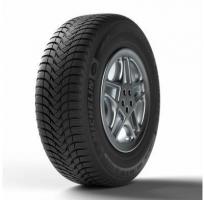
Excellent winter tyres with balanced handling qualities in all weather conditions. Good characteristics and excellent wear
A relatively high level of noise
Exemplary
Total: 47
Dry
6
Wet
6
Snow
8
Comfort
7
Rolling Resistance
6
Noise
4
Wear
10
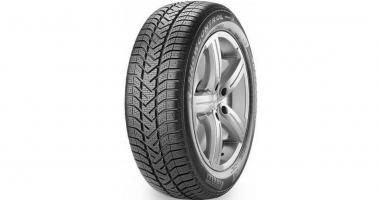
A balanced winter tyre with a sporty, dynamic wet handling qualities, precise steering response, and shortest braking distances on snowy and wet roads
High wear
Exemplary
Total: 41
Dry
6
Wet
8
Snow
7
Comfort
6
Rolling Resistance
5
Noise
5
Wear
4
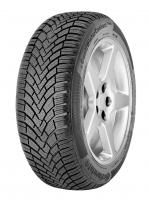
Strong handling qualities on snowy and wet roads, high safety reserves with aquaplaning, a fuel efficient rolling resistance
Understeering handling in the dry, high wear
Recommended
Total: 48
Dry
5
Wet
8
Snow
9
Comfort
7
Rolling Resistance
8
Noise
7
Wear
4
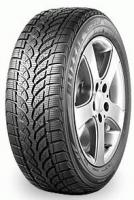
Sporty, safe handling on wet and dry roads, short snow and wet braking distances, good value for money
Average traction and cornering on snow
Recommended
Total: 43
Dry
6
Wet
7
Snow
6
Comfort
4
Rolling Resistance
6
Noise
6
Wear
8
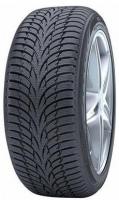
Good steering precision and short braking distances on snow and dry roads, good aquaplaning performance, low rolling resistance
High Wear, slightly longer wet braking distances
Recommended
Total: 43
Dry
8
Wet
6
Snow
8
Comfort
5
Rolling Resistance
7
Noise
5
Wear
4
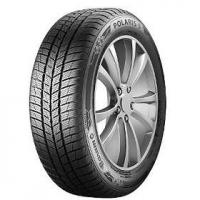
Excellent cornering and impressive driving properties on snow, low price
Poor aquaplaning result, high wear
Recommended
Total: 38
Dry
5
Wet
5
Snow
9
Comfort
4
Rolling Resistance
6
Noise
6
Wear
3
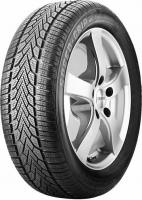
A balanced winter tyre with short braking distances and balanced handling qualities, pleasant ride comfort, fuel efficient rolling resistance
High wear, excessive price/performance ratio
Recommended
Total: 44
Dry
5
Wet
6
Snow
8
Comfort
7
Rolling Resistance
8
Noise
7
Wear
3
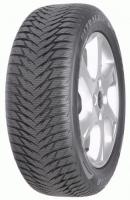
Best tyre in the aquaplaning tests, good traction and short braking distances on snow, very low wear
Average dry handling, high price
Satisfactory
Total: 41
Dry
4
Wet
7
Snow
7
Comfort
5
Rolling Resistance
5
Noise
5
Wear
8
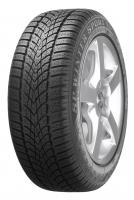
Sporty handling on snow and wet roads, precise steering, good aquaplaning resistance, high level of comfort
Weak in the dry, high wear
Satisfactory
Total: 38
Dry
4
Wet
7
Snow
8
Comfort
5
Rolling Resistance
4
Noise
6
Wear
4
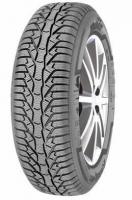
Good handling on snowy and dry roads, low wear, very good value for money
Average wet performance, long dry braking distances
Satisfactory
Total: 40
Dry
5
Wet
5
Snow
6
Comfort
5
Rolling Resistance
7
Noise
4
Wear
8
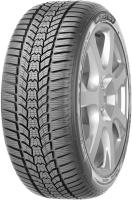
Short braking distances on snow, high aquaplaning resistance, low price
Understeering handling and long braking distances on wet roads, high rolling resistance
Satisfactory
Total: 39
Dry
5
Wet
5
Snow
7
Comfort
6
Rolling Resistance
4
Noise
6
Wear
6
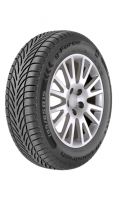
Short braking distances on snow, excellent price-performance ratio, low wear, low rolling resistance
Only average wet and aquaplaning properties, long dry stopping distances, high level of noise
Satisfactory
Total: 40
Dry
5
Wet
4
Snow
6
Comfort
4
Rolling Resistance
7
Noise
6
Wear
8
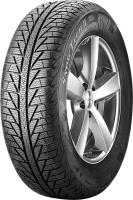
Snow specialist with short braking distances and good traction on snowy slopes, low price
Poor ride comfort, very high wear, high rolling resistance
Satisfactory
Total: 33
Dry
5
Wet
6
Snow
8
Comfort
3
Rolling Resistance
4
Noise
3
Wear
4
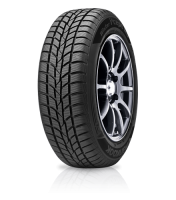
High resistance to aquaplaning, dynamic handling performance on dry slopes, low wear
Poor cornering and driving behavior on snowy and dry roads
Satisfactory
Total: 38
Dry
6
Wet
5
Snow
5
Comfort
5
Rolling Resistance
7
Noise
5
Wear
5
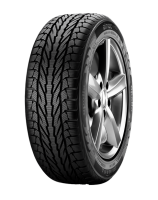
Good handling in all weather conditions, short braking distances on snow, high level of comfort
Low resistance to aquaplaning, high wear, poor value for money
Satisfactory
Total: 34
Dry
7
Wet
5
Snow
7
Comfort
3
Rolling Resistance
3
Noise
7
Wear
2
i bought infinity tyres but i didn't pay attention to the date 01 2010
is it ok now we are 2014
Assuming they've been stored correctly some manufacturers recommend up to 10 years, which would give you another 6 years.
We'd certainly run them for another year or two without worrying, but it might be worth speaking to infinity to double check.
Do you know how the wear ratings of different tyres relate to each other? The Goodyear scored 8 and the Nokian scored 4. Surely this doesn't mean that the Nokian wears twice as quickly?
The projected mileage for the Michelin was 40,000 miles, the Goodyear 37,200 and the Nokian 28,000, so not quite half as you correctly say.
That's a huge difference, I was actually expecting them to be much closer than that. I currently run the Goodyears and was going to replace two shortly with the Nokians due to price but it's not worth it if I'd probably only get 75% of the mileage. Thanks.
If you checkout the full auto bild article, they also gave each tyres a value factor which, we presume, combined purchase price vs wear.
Where can I read that? I can't see anything detailed on the website and I assume you can't get the German magazine in the UK? Interestingly the UK edition placed the Nokian in 1st:
http://www.autoexpress.co.u...
Also nothing mentioned about wear.
I think you'll have to buy the PDF version of the article from autobild.com.
The UK magazine is a completely different test, and wear wasn't a factor in their scoring.
In Nokian's defense I have to say that I'm running their WR D3s in 185/65 R15 on my Grande Punto. I've done over 25.000 kilometers the past two winters and wear has been excellent. Last year's fronts, which are now at the rear, are down to 6+ mil.
Tyre pressure is very important with winter tyres though. Simply adding 0.2 or 0.3 bar to the amount used in your summer tyres isn't always accurate. I pays to do some trail and error.
Those projected lifetimes are really interesting. If representative they mean that for the majority of UK motorists wear really won't be an issue at all, since the tyres will need replacing on age instead. For example, if a driver does 10,000 miles per year and does half of these on winter tyres (probably an overestimate), then over 5 years that would be 25,000 miles on the winter tyres. So even the worst wearing Nokian (and I guess Continental) tyres will do this OK.
A very interesting point, but sadly not one which is entirely accurate.
The drum tests they use to test wear are quite simple machines, and the projected mileage is just that, projected. It's a better indication of the RELATIVE miles one tyre will do to the next, rather than an exact figure.
Thanks, I did wonder how representative those figures might be.
hello,
I just have conti TS 830P on 15" tire(almost new),is any reason to change the tire for better grip to any of the first 3 from this test?
If It was our vehicle we would be inclined to use the current tyres until around 4mm then upgrade to the newer patterns.
The increase with these new tyres are evolutionary rather than revolutionary
What is your opinion about the age (DOT) of winter tyres. How many years should they serve properly if they are used only in winter?
Providing they are stored properly in the summer, they should last 4-5 years without problem.
The recommended upper age limit from most manufacturers is 6 years.
So in fact I can hardly know what I am buying....This Michelín could be the very same sample tested hereabouts or very well might be a very different one if bought in, say, Spain....Italy...tomorrow or next week....Yes, I recall being told one never knows !!!!
Actually there is a way of telling. When the tyre companies update their tyres they have to give them a new article number. You could email Michelin and ask what the latest article number is and make sure you order that one, or ask them what dates the latest compound has been produced from and make sure you order tyres with newer DOT codes than that.
Thank you. I am about to send 25 emails...Not interested at all in those ranking 26-50.
To the testers: please be aware that your reports on product "MAKE + ABC " are of no meaning at all if not followed by DOT codes.
I will refrain from buying winter tyres in 2013....
Looks like a warm winter anyway. Nevertheless, red in the morning, sailor's warning.
Changing compounds !!!! How funny !!!! Every week or on a yearly basis ???
Tyre labelling has forced these updates as the manufacturers aim for better and better label scores so it's quite a rare occurrence.
Why are the results so different from the same test conducted in 2012 where the Continental won and the Michelin placed 3rd? Even more surprising is that in 2012 the Hankook placed in 4th above the Goodyear, Dunlop and Nokian and this year the same tyre is below them all in 14th! Doesn't make any sense.
Tyre companies have been rolling out a lot of compound updates to their tyres, without updating the pattern names.
That means the Bridgestone / Michelin tested this year could actually be DIFFERENT tyres tested last year. Why the tyre companies don't make this obvious we don't know...
Also, the testing location, the car used and the tyre size chosen can all have an impact on the overall results when the group is so close...
Not a single word about Vredestein Wintrac Xtreme....!!!!
Vredestein put in the Snowtrac 3 which only finished 18th in the bigger test: http://www.tyrereviews.co.u...
Really, I can't get why Continental took 3rd place instead 1st. If we look total - it has 48 to Michelin's 47, actually I even can't comment Pirelli (2nd ???) with their 41. Of course somebody will say that different aspects of the performance of tyres have different weight. Ok I totally agree. So let compare most important aspects for winter conditions from my point of view.
Snow: Continental - 9, Michelin - 8, Pirelli - 7;
Wet: Continental - 8, Pirelli - 8, Michelin - 6;
Dry: Pirelli - 6, Michelin - 6; Continental - 5; dry is not so common for winter and that's why isn't important to me but yes Continental is the weakest from these three.
If we sum up now Continental - 22, Pirelli - 21, Michelin - 20.
In the minor aspects Continental is better again except wear. I can't explain myself why wear is so important for Auto Bild
That's a great question, sadly one we can't answer!