Falken ZIEX ZE320 vs Hankook Ventus Prime 4
Across three professional comparisons, the Falken is repeatedly the sharper “confidence tyre” on short-distance stopping-especially in the wet-while the Hankook more often plays the long game with noticeably better predicted mileage and slightly lower fuel consumption. The result is a classic choice between peak safety performance in key moments versus total-cost-of-ownership strengths over tens of thousands of kilometres.

Test Results
Independent comparison tyre tests are the best source of data to get tyre information from, and the good news is there have been three tests which compare both tyres directly!
| Tyre | Test Wins | Performance |
|---|---|---|
| Falken ZIEX ZE320 | two | |
| Hankook Ventus Prime 4 | one |
While it might look like the Falken ZIEX ZE320 is better than the Hankook Ventus Prime 4 purely based on the higher number of test wins, tyres are very complicated objects which means where one tyre is better than the other can be more important in real world use.
Let's look at how the two tyres compare across multiple tyre test categories.
Key Strengths
- Stronger braking performance overall across shared tests, including a big ADAC dry-braking advantage (33.9 m vs 36.7 m) and a large wet-braking win in ReifenTester (23.19 m vs 26.59 m)
- Often more confidence-inspiring handling scores in the touring-oriented test (wins in subjective dry and wet handling), described as agile yet stable and comfortable
- Good straight-line aquaplaning results in two tests (e.g., 80.4 km/h vs 74.5 km/h in ReifenTester; 75.2 vs 72.9 km/h in ADAC)
- Low abrasion/low weight themes in ADAC data and commentary, supporting efficiency and reduced particulate wear
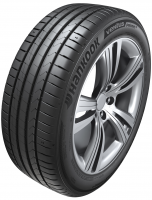
- Clearly better predicted longevity in ADAC (44,700 km vs 37,500 km), supporting lower cost per kilometre for high-mileage drivers
- Slight fuel-consumption advantage in ADAC (5.4 vs 5.6 l/100 km), plus generally efficient touring intent
- Competitive wet handling and wet braking in the combined test (wet braking 34.0 m vs 36.3 m; wet handling 77.4 s vs 78.9 s), with strong aquaplaning reputation in that report
- Generally easy-going road manners with decent dry grip, making it a sensible everyday touring option when not pushing in the wet
Dry Braking
Looking at data from three tyre tests, the Falken ZIEX ZE320 was better during two dry braking tests. On average the Falken ZIEX ZE320 stopped the vehicle in 3.68% less distance than the Hankook Ventus Prime 4.
Best In Dry Braking: Falken ZIEX ZE320
See how the Dry Braking winner was calculated >>
Subj. Dry Handling
Looking at data from two tyre tests, the Falken ZIEX ZE320 was better during one subj. dry handling tests. On average the Falken ZIEX ZE320 scored 4.49% more points than the Hankook Ventus Prime 4.
Best In Subj. Dry Handling: Falken ZIEX ZE320
See how the Subj. Dry Handling winner was calculated >>
Wet Braking
Looking at data from three tyre tests, the Falken ZIEX ZE320 was better during two wet braking tests. On average the Falken ZIEX ZE320 stopped the vehicle in 1.39% less distance than the Hankook Ventus Prime 4.
Best In Wet Braking: Falken ZIEX ZE320
See how the Wet Braking winner was calculated >>
Wet Braking - Concrete
Looking at data from one tyre tests, the Falken ZIEX ZE320 was better during one wet braking - concrete tests. On average the Falken ZIEX ZE320 stopped the vehicle in 10.45% less distance than the Hankook Ventus Prime 4.
Best In Wet Braking - Concrete: Falken ZIEX ZE320
See how the Wet Braking - Concrete winner was calculated >>
Wet Handling [s]
Looking at data from one tyre tests, the Hankook Ventus Prime 4 was better during one wet handling [s] tests. On average the Hankook Ventus Prime 4 was 1.9% faster around a wet lap than the Falken ZIEX ZE320.
Best In Wet Handling [s]: Hankook Ventus Prime 4
See how the Wet Handling winner was calculated >>
Subj. Wet Handling
Looking at data from two tyre tests, the Falken ZIEX ZE320 was better during one subj. wet handling tests. On average the Falken ZIEX ZE320 scored 12.09% more points than the Hankook Ventus Prime 4.
Best In Subj. Wet Handling: Falken ZIEX ZE320
See how the Subj. Wet Handling winner was calculated >>
Straight Aqua
Looking at data from three tyre tests, the Falken ZIEX ZE320 was better during two straight aqua tests. On average the Falken ZIEX ZE320 floated at a 3.27% higher speed than the Hankook Ventus Prime 4.
Best In Straight Aqua: Falken ZIEX ZE320
See how the Straight Aqua winner was calculated >>
Curved Aquaplaning
Looking at data from one tyre tests, the Hankook Ventus Prime 4 was better during one curved aquaplaning tests. On average the Hankook Ventus Prime 4 slipped out at a 8.82% higher speed than the Falken ZIEX ZE320.
Best In Curved Aquaplaning: Hankook Ventus Prime 4
See how the Curved Aquaplaning winner was calculated >>
Subj. Comfort
Looking at data from one tyre tests, the Falken ZIEX ZE320 was better during one subj. comfort tests. On average the Falken ZIEX ZE320 scored 1.28% more points than the Hankook Ventus Prime 4.
Best In Subj. Comfort: Falken ZIEX ZE320
See how the Subj. Comfort winner was calculated >>
Subj. Noise
Looking at data from two tyre tests, the Falken ZIEX ZE320 and Hankook Ventus Prime 4 performed equally well in subj. noise tests.
Best In Subj. Noise: Both tyres performed equally well
See how the Subj. Noise winner was calculated >>
Wear
Looking at data from one tyre tests, the Hankook Ventus Prime 4 was better during one wear tests. On average the Hankook Ventus Prime 4 is predicted to cover 16.11% miles before reaching 1.6mm than the Falken ZIEX ZE320.
Best In Wear: Hankook Ventus Prime 4
See how the Wear winner was calculated >>
Rolling Resistance
Looking at data from one tyre tests, the Falken ZIEX ZE320 and Hankook Ventus Prime 4 performed equally well in rolling resistance tests.
Best In Rolling Resistance: Both tyres performed equally well
See how the Rolling Resistance winner was calculated >>
Fuel Consumption
Looking at data from one tyre tests, the Hankook Ventus Prime 4 was better during one fuel consumption tests. On average the Hankook Ventus Prime 4 used 3.57% less fuel than the Falken ZIEX ZE320.
Best In Fuel Consumption: Hankook Ventus Prime 4
See how the Fuel Consumption winner was calculated >>
Abrasion
Looking at data from one tyre tests, the Falken ZIEX ZE320 was better during one abrasion tests. On average the Falken ZIEX ZE320 emitted 5.33% less particle wear matter than the Hankook Ventus Prime 4.
Best In Abrasion: Falken ZIEX ZE320
See how the Abrasion winner was calculated >>
Real World Driver Reviews
Falken ZIEX ZE320 Driver Reviews
Drivers report the Falken ZIEX ZE320 delivers strong wet and dry grip with confident cornering and improved steering response, often described as sporty for a touring tyre. Most reviews also note low road noise and generally good comfort, with several owners saying they would buy it again and praising overall value. A smaller subset of users mention increased fuel consumption compared with some rival tyres, suggesting efficiency may vary by vehicle and baseline tyre choice.
Based on 10 reviews with an average rating of 87%
Hankook Ventus Prime 4 Driver Reviews
Across 71 reviews, the Hankook Ventus Prime 4 is generally seen as a strong value-focused touring tyre, most often praised for being quiet, smooth and confidence-inspiring with strong dry handling and good wet grip when new. Many drivers also highlight stable braking/handling and an overall “premium feel” for the price compared with more expensive rivals. The most repeated drawback is faster-than-expected wear, with several owners reporting that wet grip (and sometimes noise) deteriorates noticeably as tread depth drops; a smaller but recurring group also finds the ride a bit stiff/harsh on some cars.
Based on 76 reviews with an average rating of 82%
Conclusion
For ownership and efficiency, Hankook's case is straightforward: in ADAC 2026 it delivered clearly higher predicted wear life (44,700 km vs 37,500 km, about +19%) and slightly lower fuel consumption (5.4 vs 5.6 l/100 km). That makes the Ventus Prime 4 the more rational pick for high-mileage commuting and fleet-style use-provided you accept that multiple reports flag its wet performance as only “fair/sufficient” and less confidence-inspiring at the limit. Practical takeaway: if your priority is maximum braking/active safety feel in everyday rain events, the ZE320 is usually the stronger bet; if you want a calmer cost-per-km story and do lots of steady motorway kilometres, the Prime 4's longevity advantage is hard to ignore.
Key Differences
- Braking priority: Falken more consistently wins braking (notably ADAC dry: 33.9 m vs 36.7 m; ReifenTester wet: 23.19 m vs 26.59 m), which is a tangible safety margin
- Wet performance consistency: Hankook is repeatedly described as weaker/less secure in wet conditions in ADAC and ReifenTester commentary, while Falken's wet grip can be temperature-sensitive (poorer when cool in one test)
- Aquaplaning split: Falken tends to lead straight-line aquaplaning (two wins), but Hankook won curved aquaplaning in ADAC (3.4 vs 3.1 m/s²) and is praised for aquaplaning resistance in one report
- Mileage and running costs: Hankook holds the clear durability advantage in ADAC (+19% predicted wear life) and slightly better fuel use (5.4 vs 5.6 l/100 km)
- Test outcome volatility: Falken wins 2/3 overall in shared tests, but also suffers a very poor overall placement in the combined test (13/14) due to wet behaviour and rolling resistance concerns in that specific methodology
- Refinement trade-offs: Noise results are mixed (each wins once), but ADAC notes the Hankook as relatively heavy/noisy, while another test credits the Falken with very quiet operation
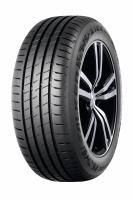
Overall Winner: Falken ZIEX ZE320
Based on the tyre test data and user reviews we have in our database, the Falken ZIEX ZE320 has demonstrated better overall performance in this comparison. However, as you can see from the spider diagram above, each tyre has its own strengths which should be considered in your final tyre buying choice.Similar Comparisons
Looking for more tyre comparisons? Here are other direct comparisons involving these tyres:


Footnote
This page has been developed using tyre industry testing best practices. This means we are only comparing tests which have had both tyres in the same test.
Why is this important? Tyre testing is heavily affected by things like surface grip levels and surface temperature, which means you can only compare values from the same day. During a tyre test external condition changes are calculated into the overall results, but it is not possible to calculate this between tyre tests performed on different days or at different locations.
As a result you will see other tests on Tyre Reviews which feature both the %s and %s, but as they weren't conducted on the same day, the results are not comparable.
Lots of other websites do this sort of tyre comparison, Tyre Reviews doesn't.
Discussion
- No comments yet — be the first.