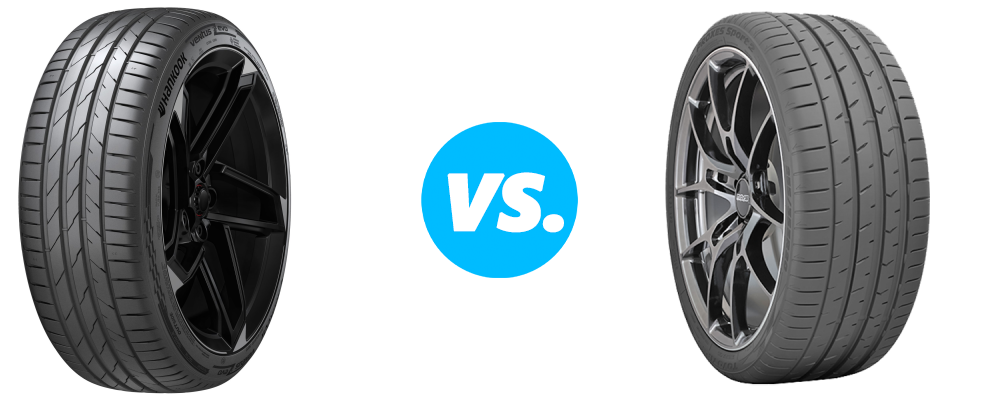
Goodyear Eagle F1 Asymmetric 6 vs Toyo Proxes Sport 2
The headline is consistency. The Asymmetric 6 places near the front in almost every major group test (including 2nd/20 in AutoBild 2026 and multiple wins), while the Proxes Sport 2 tends to sit mid-pack to lower mid-pack overall despite showing flashes of outright pace in dry handling and impressive hydroplaning resistance. Where this becomes most relevant is in wet braking, tyre life, and cost-per-kilometre-areas where the Goodyear repeatedly builds a decisive real-world advantage.

Test Results
Independent comparison tyre tests are the best source of data to get tyre information from, and the good news is there have been ten tests which compare both tyres directly!
| Tyre | Test Wins | Performance |
|---|---|---|
| Goodyear Eagle F1 Asymmetric 6 | ten |
While it might look like the Goodyear Eagle F1 Asymmetric 6 is better than the Toyo Proxes Sport 2 purely based on the higher number of test wins, tyres are very complicated objects which means where one tyre is better than the other can be more important in real world use.
Let's look at how the two tyres compare across multiple tyre test categories.
Key Strengths
- Consistently stronger wet braking (wins 10/10 shared tests; often 5-7% shorter stopping distances, e.g., 42.9 m vs 46.1 m in AutoBild 2026)
- Higher overall test consistency and rankings (e.g., 2nd/20 AutoBild 2026; 1st/10 AZ 2025; 1st/21 AutoBild UHP 2023)
- Exceptional wear/longevity and running costs (e.g., 63,830 km vs 38,420 km AutoBild 2026; similarly large gaps in multiple tests) plus strong value metrics
- Lower rolling resistance and typically lower noise, improving efficiency and comfort (e.g., 7.24 vs 8.25 kg/t and 67 vs 71 dB in 2026 Summer SUV test)
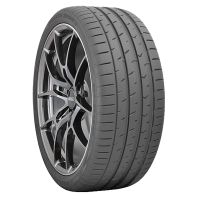
- Often very strong aquaplaning reserves, especially laterally (e.g., leads both straight and curved aquaplaning in the 2026 Summer SUV test)
- Quick, reactive dry handling with frequent marginal wins in dry handling categories and strong subjective dry feel (e.g., AutoBild 2026 subjective dry handling 8.7 vs 8.0)
- Competitive dry braking (usually close to Goodyear; sometimes effectively a tie, e.g., 34.6 m vs 34.5 m AutoBild 2026)
- Lower purchase price in several tests, improving upfront affordability even when cost-per-km is weaker (e.g., 385 vs 430 in AutoBild Sports Car 2023; 545 vs 550 in AutoBild UHP 2023)
Dry Braking
Looking at data from ten tyre tests, the Goodyear Eagle F1 Asymmetric 6 was better during nine dry braking tests. On average the Goodyear Eagle F1 Asymmetric 6 stopped the vehicle in 1.84% less distance than the Toyo Proxes Sport 2.
Best In Dry Braking: Goodyear Eagle F1 Asymmetric 6
See how the Dry Braking winner was calculated >>
Dry Handling [s]
Looking at data from two tyre tests, the Goodyear Eagle F1 Asymmetric 6 was better during one dry handling [s] tests. On average the Goodyear Eagle F1 Asymmetric 6 was 0.14% faster around a lap than the Toyo Proxes Sport 2.
Best In Dry Handling [s]: Goodyear Eagle F1 Asymmetric 6
See how the Dry Handling winner was calculated >>
Dry Handling [Km/H]
Looking at data from five tyre tests, the Goodyear Eagle F1 Asymmetric 6 was better during two dry handling [km/h] tests. On average the Goodyear Eagle F1 Asymmetric 6 was 0.24% faster around a lap than the Toyo Proxes Sport 2.
Best In Dry Handling [Km/H]: Goodyear Eagle F1 Asymmetric 6
See how the Dry Handling winner was calculated >>
Dry Circle
Best In Dry Circle: Goodyear Eagle F1 Asymmetric 6
See how the Dry Circle winner was calculated >>
Subj. Road Score
Looking at data from one tyre tests, the Goodyear Eagle F1 Asymmetric 6 was better during one subj. road score tests. On average the Goodyear Eagle F1 Asymmetric 6 scored 4.74% more points than the Toyo Proxes Sport 2.
Best In Subj. Road Score: Goodyear Eagle F1 Asymmetric 6
See how the Subj. Road Score winner was calculated >>
Wet Braking
Looking at data from ten tyre tests, the Goodyear Eagle F1 Asymmetric 6 was better during ten wet braking tests. On average the Goodyear Eagle F1 Asymmetric 6 stopped the vehicle in 5.75% less distance than the Toyo Proxes Sport 2.
Best In Wet Braking: Goodyear Eagle F1 Asymmetric 6
See how the Wet Braking winner was calculated >>
Wet Braking - Concrete
Looking at data from one tyre tests, the Goodyear Eagle F1 Asymmetric 6 was better during one wet braking - concrete tests. On average the Goodyear Eagle F1 Asymmetric 6 stopped the vehicle in 5.29% less distance than the Toyo Proxes Sport 2.
Best In Wet Braking - Concrete: Goodyear Eagle F1 Asymmetric 6
See how the Wet Braking - Concrete winner was calculated >>
Wet Handling [s]
Looking at data from two tyre tests, the Goodyear Eagle F1 Asymmetric 6 was better during two wet handling [s] tests. On average the Goodyear Eagle F1 Asymmetric 6 was 4.24% faster around a wet lap than the Toyo Proxes Sport 2.
Best In Wet Handling [s]: Goodyear Eagle F1 Asymmetric 6
See how the Wet Handling winner was calculated >>
Wet Handling [Km/H]
Looking at data from five tyre tests, the Goodyear Eagle F1 Asymmetric 6 was better during five wet handling [km/h] tests. On average the Goodyear Eagle F1 Asymmetric 6 was 2% faster around a wet lap than the Toyo Proxes Sport 2.
Best In Wet Handling [Km/H]: Goodyear Eagle F1 Asymmetric 6
See how the Wet Handling winner was calculated >>
Subj. Wet Handling
Looking at data from two tyre tests, the Goodyear Eagle F1 Asymmetric 6 was better during two subj. wet handling tests. On average the Goodyear Eagle F1 Asymmetric 6 scored 17.48% more points than the Toyo Proxes Sport 2.
Best In Subj. Wet Handling: Goodyear Eagle F1 Asymmetric 6
See how the Subj. Wet Handling winner was calculated >>
Wet Circle
Looking at data from one tyre tests, the Goodyear Eagle F1 Asymmetric 6 was better during one wet circle tests. On average the Goodyear Eagle F1 Asymmetric 6 had 6.74% higher lateral wet grip than the Toyo Proxes Sport 2.
Best In Wet Circle: Goodyear Eagle F1 Asymmetric 6
See how the Wet Circle winner was calculated >>
Straight Aqua
Looking at data from seven tyre tests, the Toyo Proxes Sport 2 was better during three straight aqua tests. On average the Toyo Proxes Sport 2 floated at a 0.3% higher speed than the Goodyear Eagle F1 Asymmetric 6.
Best In Straight Aqua: Toyo Proxes Sport 2
See how the Straight Aqua winner was calculated >>
Curved Aquaplaning
Looking at data from six tyre tests, the Goodyear Eagle F1 Asymmetric 6 was better during four curved aquaplaning tests. On average the Goodyear Eagle F1 Asymmetric 6 slipped out at a 5.18% higher speed than the Toyo Proxes Sport 2.
Best In Curved Aquaplaning: Goodyear Eagle F1 Asymmetric 6
See how the Curved Aquaplaning winner was calculated >>
Gravel Handling [Km/H]
Looking at data from two tyre tests, the Goodyear Eagle F1 Asymmetric 6 was better during two gravel handling [km/h] tests. On average the Goodyear Eagle F1 Asymmetric 6 was 1.39% faster around a lap than the Toyo Proxes Sport 2.
Best In Gravel Handling [Km/H]: Goodyear Eagle F1 Asymmetric 6
See how the Gravel Handling winner was calculated >>
Gravel Traction
Looking at data from two tyre tests, the Goodyear Eagle F1 Asymmetric 6 was better during two gravel traction tests. On average the Goodyear Eagle F1 Asymmetric 6 had 3.15% better traction on gravel than the Toyo Proxes Sport 2.
Best In Gravel Traction: Goodyear Eagle F1 Asymmetric 6
See how the Gravel Traction winner was calculated >>
Sand Traction
Looking at data from two tyre tests, the Goodyear Eagle F1 Asymmetric 6 was better during one sand traction tests. On average the Goodyear Eagle F1 Asymmetric 6 had 6.69% better traction in sand than the Toyo Proxes Sport 2.
Best In Sand Traction: Goodyear Eagle F1 Asymmetric 6
See how the Sand Traction winner was calculated >>
Grass Traction
Looking at data from two tyre tests, the Goodyear Eagle F1 Asymmetric 6 was better during two grass traction tests. On average the Goodyear Eagle F1 Asymmetric 6 had 13.44% better traction on grass than the Toyo Proxes Sport 2.
Best In Grass Traction: Goodyear Eagle F1 Asymmetric 6
See how the Grass Traction winner was calculated >>
Mud Traction
Looking at data from one tyre tests, the Toyo Proxes Sport 2 was better during one mud traction tests. On average the Toyo Proxes Sport 2 had 4.17% better traction in mud than the Goodyear Eagle F1 Asymmetric 6.
Best In Mud Traction: Toyo Proxes Sport 2
See how the Mud Traction winner was calculated >>
Subj. Comfort
Looking at data from two tyre tests, the Goodyear Eagle F1 Asymmetric 6 was better during one subj. comfort tests. On average the Goodyear Eagle F1 Asymmetric 6 scored 4.67% more points than the Toyo Proxes Sport 2.
Best In Subj. Comfort: Goodyear Eagle F1 Asymmetric 6
See how the Subj. Comfort winner was calculated >>
Noise
Looking at data from seven tyre tests, the Goodyear Eagle F1 Asymmetric 6 was better during six noise tests. On average the Goodyear Eagle F1 Asymmetric 6 measured 1.87% quieter than the Toyo Proxes Sport 2.
Best In Noise: Goodyear Eagle F1 Asymmetric 6
See how the Noise winner was calculated >>
Wear
Looking at data from four tyre tests, the Goodyear Eagle F1 Asymmetric 6 was better during four wear tests. On average the Goodyear Eagle F1 Asymmetric 6 is predicted to cover 39.51% miles before reaching 1.6mm than the Toyo Proxes Sport 2.
Best In Wear: Goodyear Eagle F1 Asymmetric 6
See how the Wear winner was calculated >>
Value
Looking at data from four tyre tests, the Goodyear Eagle F1 Asymmetric 6 was better during four value tests. On average the Goodyear Eagle F1 Asymmetric 6 proved to have a 30.88% better value based on price/1000km than the Toyo Proxes Sport 2.
Best In Value: Goodyear Eagle F1 Asymmetric 6
See how the Value winner was calculated >>
Price
Looking at data from two tyre tests, the Toyo Proxes Sport 2 was better during two price tests. On average the Toyo Proxes Sport 2 cost 5.1% less than the Goodyear Eagle F1 Asymmetric 6.
Best In Price: Toyo Proxes Sport 2
See how the Price winner was calculated >>
Rolling Resistance
Looking at data from six tyre tests, the Goodyear Eagle F1 Asymmetric 6 was better during six rolling resistance tests. On average the Goodyear Eagle F1 Asymmetric 6 had a 6.3% lower rolling resistance than the Toyo Proxes Sport 2.
Best In Rolling Resistance: Goodyear Eagle F1 Asymmetric 6
See how the Rolling Resistance winner was calculated >>
Fuel Consumption
Looking at data from one tyre tests, the Goodyear Eagle F1 Asymmetric 6 and Toyo Proxes Sport 2 performed equally well in fuel consumption tests.
Best In Fuel Consumption: Both tyres performed equally well
See how the Fuel Consumption winner was calculated >>
Abrasion
Looking at data from one tyre tests, the Goodyear Eagle F1 Asymmetric 6 was better during one abrasion tests. On average the Goodyear Eagle F1 Asymmetric 6 lost 16.09% less particle wear matter than the Toyo Proxes Sport 2.
Best In Abrasion: Goodyear Eagle F1 Asymmetric 6
See how the Abrasion winner was calculated >>
Real World Driver Reviews
Goodyear Eagle F1 Asymmetric 6 Driver Reviews
Across reviews, the Goodyear Eagle F1 Asymmetric 6 is most often described as an exceptionally confident UHP tyre with very strong dry and especially wet grip, high braking performance, and predictable/progressive handling near the limit. Many drivers also report a noticeably more comfortable ride and lower noise than the tyres they replaced, making it feel unusually "daily-friendly" for this category. The most repeated downsides are quicker-than-expected wear for some users and pronounced rumble/roar on rough asphalt, with a smaller but recurring theme of softer sidewalls or slightly duller turn-in compared with sharper rivals.
Based on 183 reviews with an average rating of 86%
Toyo Proxes Sport 2 Driver Reviews
Drivers overwhelmingly praise the Toyo Proxes Sport 2 for outstanding dry and wet grip, sharp steering response, and confidence-inspiring, predictable handling even at high speeds. Many note strong value for money versus premium rivals, with several reporting good ride comfort for a sport tyre and promising wear. Aquaplaning resistance and braking performance receive consistent compliments. A recurring minor downside is the lack of rim protection.
Based on 8 reviews with an average rating of 92%
I have now had the Eagle F1 Asymmetric 5's, Goodyear Eagle F1 Supersports, Michelin PS4 and even some Avon's (for a brief period) on my current car - a Golf GTI Clubsport 40.
I mix up my driving a lot - lots of motorway driving but also lots of hard street driving and B road blasts, I find it massively important to have the best tyres possible to allow me to push my car as hard as I can in a safe manner.
I was massively impressed with the Asymmetric 5's, the sheer grip... Continue reading this review using the link below
It is simply a better tyre in absolutely every single way. I drive like a ****, and these tyres just give so much confidence. I can brake stupidly quick in both dry and mildly wet conditions, even through the corners. They hook up so well and are incredibly predictable - they really bite the road and mitigate so much understeer in my 2006 Leon FR.
When there’s a more significant layer of water on the road they don’t... Continue reading this review using the link below
Conclusion
The Toyo Proxes Sport 2's strongest case is for drivers prioritizing steering agility and aquaplaning reserves, especially in heavy rain at speed. It frequently matches or nips ahead on dry handling (it wins more dry-handling subcategories overall) and posts standout aquaplaning results in some tests-most notably in the 2026 Summer SUV test where it leads straight aquaplaning (89.9 vs 84.8 km/h) and curved aquaplaning (2.56 vs 2.36 m/s²). The trade-off is that it rarely converts that into a strong overall ranking because wet braking, wear, and value are persistent weak points.
The practical takeaway: if you want one sporty summer tyre that covers wet safety, longevity, comfort and efficiency without obvious compromises, the Asymmetric 6 justifies its premium positioning by usually being cheaper to run. The Proxes Sport 2 is better viewed as a more specialized choice-rewarding in steering response and hydroplaning resistance, but harder to recommend if you do high mileage or regularly drive in wet conditions.
Key Differences
- Wet braking is the decisive separation: Goodyear wins 10/10 and is often ~5-7% shorter (e.g., 42.9 m vs 46.1 m AutoBild 2026), translating to a meaningful safety margin
- Longevity/value strongly favors Goodyear: projected wear is dramatically better (e.g., 63,830 km vs 38,420 km AutoBild 2026; 50,000 km vs 30,000 km AZ 2025), driving much lower cost-per-km
- Aquaplaning balance differs: Toyo can be superior in straight/curved aquaplaning in some tests (e.g., 89.9 vs 84.8 km/h straight aqua in 2026 Summer SUV), while Goodyear more often leads overall wet grip metrics (wet handling/circle) and braking
- Dry handling is closer than rankings suggest: Toyo frequently edges single-lap/feel metrics by small margins (often <1%), but Goodyear is more consistently strong across the full dry package (braking + stability + objective lap)
- Efficiency/comfort trend toward Goodyear: lower rolling resistance across shared data and generally lower measured noise (e.g., 67 vs 71 dB in 2026 Summer SUV; RR advantages recur across tests)
- Overall test outcomes reflect breadth vs specialization: Goodyear repeatedly finishes near the top (including wins), while Toyo's strong points don't compensate for wet-braking and wear penalties, leading to lower overall placements (e.g., 2/20 vs 17/20 AutoBild 2026)
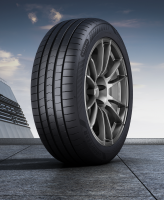
Overall Winner: Goodyear Eagle F1 Asymmetric 6
Based on the tyre test data and user reviews we have in our database, the Goodyear Eagle F1 Asymmetric 6 has demonstrated better overall performance in this comparison. However, as you can see from the spider diagram above, each tyre has its own strengths which should be considered in your final tyre buying choice.Similar Comparisons
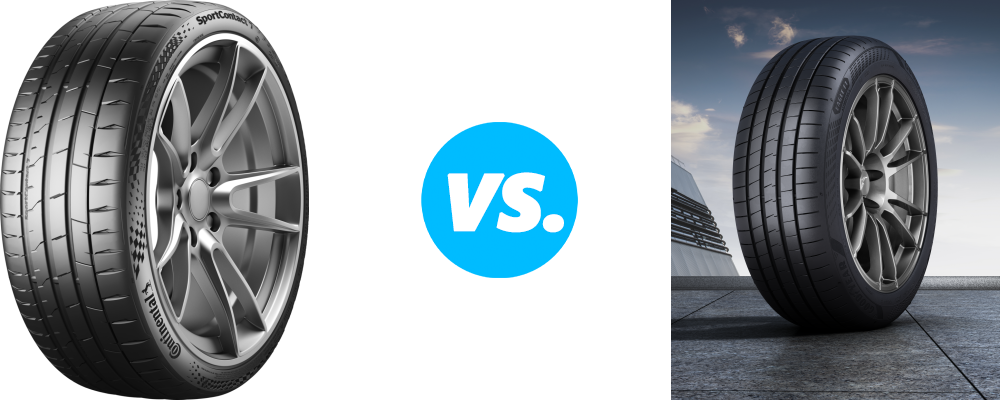
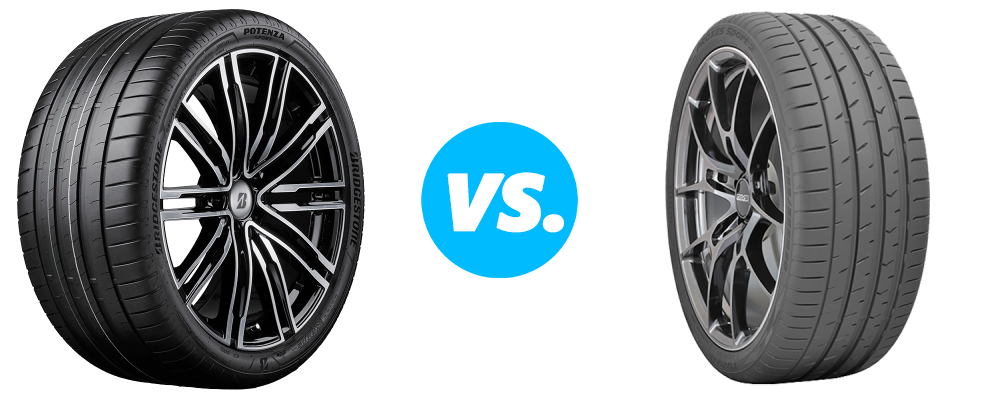
Looking for more tyre comparisons? Here are other direct comparisons involving these tyres:



Footnote
This page has been developed using tyre industry testing best practices. This means we are only comparing tests which have had both tyres in the same test.
Why is this important? Tyre testing is heavily affected by things like surface grip levels and surface temperature, which means you can only compare values from the same day. During a tyre test external condition changes are calculated into the overall results, but it is not possible to calculate this between tyre tests performed on different days or at different locations.
As a result you will see other tests on Tyre Reviews which feature both the %s and %s, but as they weren't conducted on the same day, the results are not comparable.
Lots of other websites do this sort of tyre comparison, Tyre Reviews doesn't.
Discussion
- No comments yet — be the first.