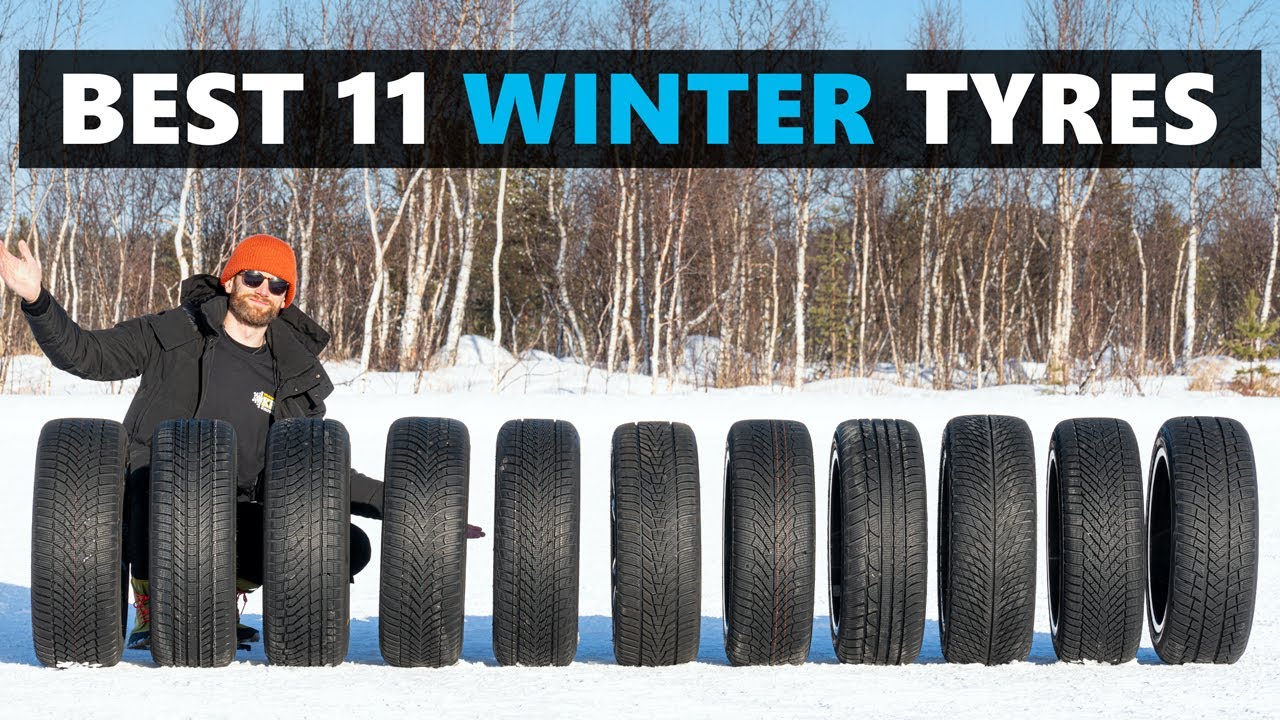
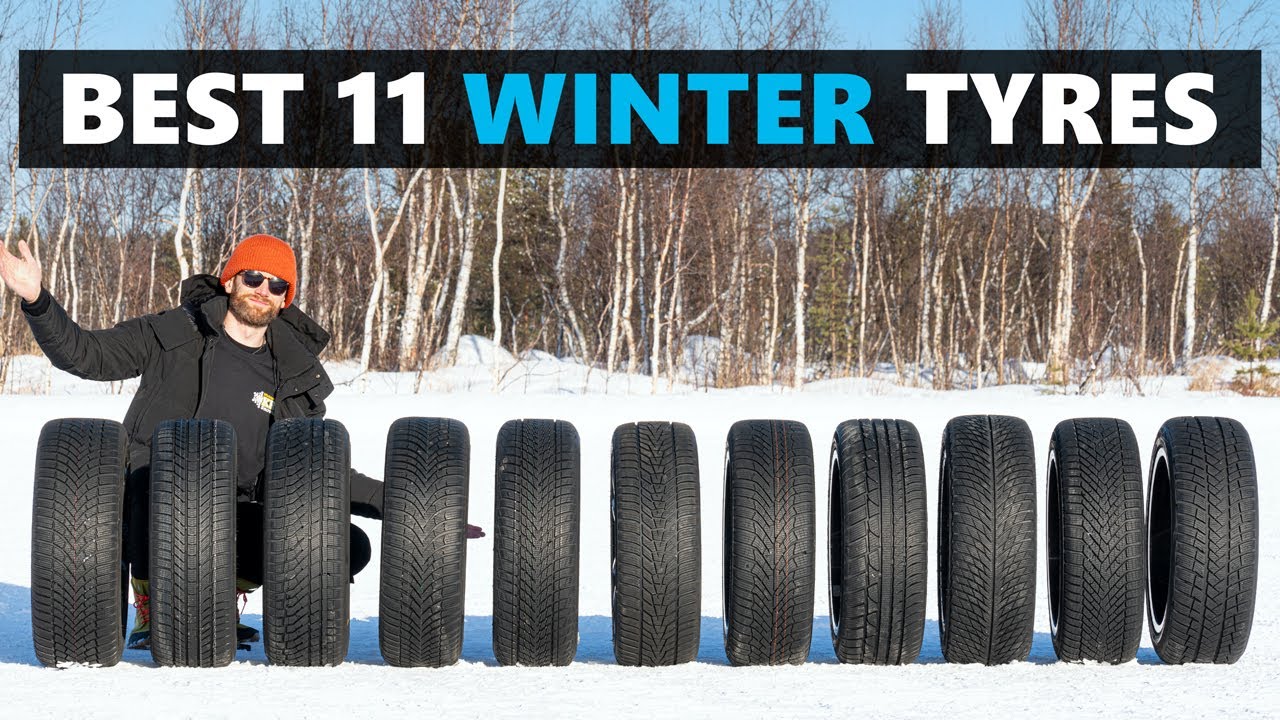
The 2023/24 Tyre Reviews winter tyre test has tested eleven of the most popular winter tyres on the market in the dry, wet and snow, and also analyised the rolling resistance, noise and comfort levels of the tyres to help you decide what the best tyre is for your own driving needs!
- Test Driver
- Jonathan Benson
- Tyre Size
- 225/45 R18
- Test Location
- Professional Proving Ground
- Test Year
- 2023
- Tyres Tested
- 11
Show full testing methodology
Hide methodology
Every tyre is tested using calibrated instrumented measurement and structured subjective assessment. Reference tyres are retested throughout each session to correct for changing conditions, ensuring fair, repeatable comparisons. Multiple reference sets are used where needed so that control tyre wear does not affect accuracy.
We use professional-grade testing equipment including GPS data loggers, accelerometers, and calibrated microphones. All tyres are broken in and conditioned before testing begins. For full details on our equipment, preparation process, and calibration procedures, see our complete testing methodology.
Categories Tested
Dry Braking
For dry braking, I drive the test vehicle at an entry speed of 110 km/h and apply full braking effort to a standstill with ABS active on clean, dry asphalt. I typically use an 100–5 km/h measurement window. My standard programme is five runs per tyre set where possible, although the sequence can extend to as many as fifteen runs if conditions and tyre category justify it. I analyse the full set of runs and discard statistical outliers before averaging. Reference tyres are run repeatedly throughout the session to correct for changing conditions.
Dry Handling
For dry handling, I drive at the limit of adhesion around a dedicated handling circuit with ESC disabled where possible so I can assess the tyre's natural balance, transient response, and limit behaviour without electronic intervention masking the result. I usually complete between two and five timed laps per tyre set, depending on the circuit, tyre type, and consistency of conditions. I exclude laps affected by clear driver error or obvious environmental inconsistency. Control runs are carried out frequently throughout the session, and I often use multiple sets of control tyres so that wear on the references does not become a meaningful variable. For more track-focused products, I also do endurance testing, which is a set number of laps at race pace to determine tire wear patterns and heat resistance over longer driving.
Subj. Dry Handling
Objective data is only part of the picture, so I also carry out a structured subjective handling assessment at the limit of adhesion on a dedicated dry handling circuit. I score steering precision, steering response, turn-in behaviour, mid-corner balance, corner-exit traction, breakaway characteristics, and overall confidence using a standardised 1–10 scale used consistently across my testing. The final assessment combines numeric scoring with written technical commentary. I complete familiarisation laps on the control tyre before evaluating each candidate.
Wet Braking
For wet braking, I drive the test vehicle at an entry speed of 88 km/h and apply full braking effort to a standstill with ABS active on an asphalt surface with a controlled water film. I typically use an 80–5 km/h measurement window to isolate tyre performance from variability in the initial brake application. My standard programme is eight runs per tyre set where possible, although the sequence can extend to as many as fifteen runs if conditions and tyre category justify it. I analyse the full set of runs and discard statistical outliers before averaging. To correct for changing conditions, I run reference tyres repeatedly throughout the session — in wet testing, typically every three candidate test sets.
Wet Handling
For wet handling, I drive at the limit of adhesion around a dedicated handling circuit. I generally use specialist wet circuits with kerb-watering systems designed to maintain a consistent surface condition. ESC is disabled where possible so I can assess the tyre's natural balance, transient response, and limit behaviour without electronic intervention masking the result. I usually complete between two and five timed laps per tyre set, depending on the circuit, tyre type, and consistency of conditions. I exclude laps affected by clear driver error or obvious environmental inconsistency. Control runs are carried out frequently throughout the session, and I often use multiple sets of control tyres so that wear on the references does not become a meaningful variable.
Subj. Wet Handling
Objective data is only part of the picture, so I also carry out a structured subjective handling assessment at the limit of adhesion on a dedicated wet handling circuit. I score steering precision, steering response, turn-in behaviour, mid-corner balance, aquaplaning resistance, breakaway characteristics, and overall confidence using a standardised 1–10 scale used consistently across my testing. The final assessment combines numeric scoring with written technical commentary. I complete familiarisation laps on the control tyre before evaluating each candidate.
Straight Aqua
To measure straight-line aquaplaning resistance, I drive one side of the vehicle through a water trough of controlled depth, typically around 7 mm, while the opposite side remains on dry pavement. I enter at a fixed speed and then accelerate progressively. I define aquaplaning onset as the point at which the wheel travelling through the water exceeds a specified slip threshold relative to the dry-side reference wheel. I usually perform four runs per tyre set and average the valid results.
Snow Braking
For snow braking, I drive the test vehicle at an entry speed of 50 km/h and apply full braking effort to a standstill with ABS active on a groomed, compacted snow surface, measuring 45-5 km/h. I generally use a wide VDA (vehicle dynamic area) and progressively move across the surface between runs so that no tyre ever brakes on the same piece of snow twice. My standard programme is twelve runs per tyre set, although the sequence can extend further if the data justify it. I analyse the full set of runs and discard statistical outliers before averaging. The surface is regularly groomed throughout the session. To correct for changing snow surface conditions, I run reference tyres repeatedly — typically every two candidate test sets.
Snow Traction
For snow traction, I accelerate the vehicle from rest on a groomed snow surface with traction control active and measure speed and time using GPS telemetry. I typically use a 5–35 km/h measurement window to reduce the influence of launch transients and powertrain irregularities. I use a wide VDA (vehicle dynamic area) and progressively move across the surface between runs so that no tyre ever accelerates on the same piece of snow twice. The surface is regularly groomed throughout the session. I complete multiple runs per tyre set and average the valid results. Reference tyres are run typically every two candidate test sets to correct for changing snow surface conditions.
Snow Handling
For snow handling, I drive at the limit of adhesion around a dedicated snow handling circuit with ESC disabled where possible. The circuit is groomed and prepared after every run while tyres are being changed, so each set runs on a consistently prepared surface. I usually complete between two and five timed laps per tyre set, excluding laps affected by clear driver error or obvious environmental inconsistency. Because snow surfaces degrade more rapidly than asphalt, control runs are carried out more frequently — typically every two candidate test sets.
Subj. Snow Handling
Objective data is only part of the picture, so I also carry out a structured subjective handling assessment at the limit of adhesion on a dedicated snow handling circuit. The circuit is groomed and prepared after every run while tyres are being changed, so each set runs on a consistently prepared surface. I score steering precision, turn-in behaviour, mid-corner balance, corner-exit traction, breakaway characteristics, and overall confidence on snow using a standardised 1–10 scale used consistently across my testing. The final assessment combines numeric scoring with written technical commentary. I complete familiarisation laps on the control tyre before evaluating each candidate.
Subj. Comfort
To assess comfort, I drive on a wide range of road surfaces (often dedicated comfort tracks at test facilities) at speeds from 50 to 120 km/h, including smooth motorway, coarse surfaces, expansion joints, broken pavement, and sharp-edged obstacles. I evaluate primary ride quality, secondary ride quality, impact harshness, seat-transmitted vibration, and the tyre's ability to absorb sharp inputs. Ratings are assigned on a 1–10 scale relative to the reference tyre.
Rolling Resistance
Rolling resistance is measured under controlled laboratory conditions in accordance with ISO 28580 and UNECE Regulation 117 Annex 6. The tyre is mounted on a test wheel and loaded against a large-diameter steel drum. After thermal stabilisation at the prescribed test speed, rolling resistance force is measured at the spindle and corrected according to the relevant procedure. The result is expressed as rolling resistance coefficient, typically in kg/tonne.
Standards:
ISO 28580
UNECE Regulation 117 Annex 6
Read our complete testing methodology
Score Weighting
Hide Score Weighting
How each category is weighted in the overall score:
Dry
20%
Dry Braking
60%
Dry Handling
35%
Subj. Dry Handling
5%
Wet
35%
Wet Braking
50%
Wet Handling
35%
Subj. Wet Handling
5%
Straight Aqua
10%
Snow
30%
Snow Braking
45%
Snow Traction
15%
Snow Handling
30%
Subj. Snow Handling
10%
Snow
The two slowest tyres around snow handling were the only two asymmetric pattern tyres, the Falken and Leao budget tyre. A coincidence? Possibly not. Will this pay back in dry and wet? We shall see!
The Falken in particular had a lot of understeer, meaning the front axle just wouldn't turn. This made it quite frustrating to drive, and you had to be mindful about the speed you tried to carry into the corner. The Leao had slightly less understeer, but it was just really vague on the front axle.
The next pair of tyres, both of which are good in the snow were the Giti and Continental. Both of these tyres had nice steering and good grip, just the transition between grip and sliding was a little more peaky.
Kumho, Bridgestone and Vredestein were all 0.5% apart and very good around the lap. The Kumho, like the previous pair was a little more peaky than I'd like when at the limit of grip, where as the Bridgestone was quite an understeer bias tyre, and oddly had noticeably lighter steering than the other tyres. On snow!
The Vredestein was a nicely balanced tyre. As you know I test blind, and in last years test I really didn't get on with the Wintrac Pro, so it was a surprise to see it up here. It either it works much better in this size or it's had an update, either way, I'm happy to report this.
The final group of tyres was the Hankook, Pirelli and Goodyear. These all had excellent grip, good turn in on corner entry, good mid corner grip, and good traction out of the corners, the complete packages. Of the three, the Hankook was the best to drive subjectively, it was just easily manageable at the limit and did everything you asked of it without issue. The Pirelli and Goodyear were a little more abrupt at the limit, but the limit was high.
Finally, the Michelin Pilot Alpin 5 was again in a class of its own in the snow.. It had excellent steering and control, a quick to turn front axle, good levels of grip, controllable past the limit. It was not only the fastest, but my favorite subjectively by a small margin over the Hankook.
The All Season Tyre jumped in at an impressive seventh overall, with the Hankook Kinergy 4S2 feeling totally at home in a group of winter tyres, and the summer tyre, well, it's a summer tyre. It took almost double the time, and it felt like it had much less than half the grip, especially under traction.
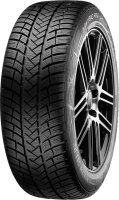
- Michelin Pilot Alpin 5
- Goodyear UltraGrip Performance 3
- Pirelli Cinturato Winter 2
- Hankook Winter i cept evo3
- Vredestein Wintrac Pro
- Bridgestone Blizzak LM005
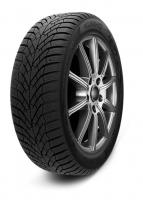
- Kumho Winter Craft WP52
- Hankook Kinergy 4S2 Ref
- Continental WinterContact TS 870 P
- Giti GitiWinterW2
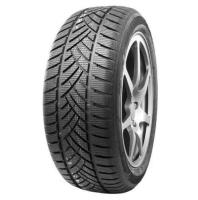
- Leao Winter Defender UHP
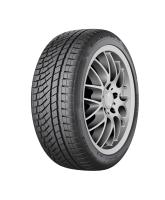
- Falken EUROWINTER HS02 Pro
- Hankook Ventus Prime 4 Ref
The Hankook just beat the Michelin in snow braking, with the Bridgestone in third place. The all season tyre was once again midpack, and the summer tyre finished way behind the group.
Snow traction brought the advantage back to the Michelin, with the Hankook once again the best of the rest.
- Michelin Pilot Alpin 5
- Hankook Winter i cept evo3
- Goodyear UltraGrip Performance 3
- Bridgestone Blizzak LM005
- Pirelli Cinturato Winter 2
- Hankook Kinergy 4S2 Ref
- Continental WinterContact TS 870 P
- Leao Winter Defender UHP
- Vredestein Wintrac Pro
- Kumho Winter Craft WP52
- Giti GitiWinterW2
- Falken EUROWINTER HS02 Pro
- Hankook Ventus Prime 4 Ref
Wet
Wet is naturally very important for winter tyres as the regions that use this category of winter tyres have long wet winters.
The fastest around the wet lap also had the best wet braking, and you won't be surprised to know it was the Bridgestone Blizzak LM005. This tyre always performs well in the wet, and once again it was outstanding in the grip tests, even if its aquaplaning result was midpack.
The Michelin Pilot Alpin 5 and Continental WinterContact TS870P were also very impressive in both wet braking and wet handling, and like the Bridgestone neither tyre was particularly strong in the deeper water of aquaplaning.
Hankook, Goodyear and Pirelli were also great tyres in the wet, with the Pirelli managing to be fast around the lap AND have the best aquaplaning resistance of all the winter tyres which is a nice combination.
The Falken also was good around the lap and had great aquaplaning resistance, but couldn't quite stop the car as well as the best.
The Giti was great to drive subjectively and had excellent aquaplaning resistance, but did lack a bit of grip at the limit in braking and handling, and the Vredestein and Kumho finished down the order. Not bad tyres, this is just a tough group.
The budget tyre, the Laeo, well this was bad, possibly highlighted by the RWD platform, but it was really tricky to get around the lap and was another 10% worse than the 12th placed tyre in wet braking, which is over a car length in distance!
TLDR, the best winter tyre in the wet is the Bridgestone, unless the water is deep then it's pirelli, but the Michelin and Conti are also excellent, and the Goodyear and Hankook are no slouches.
- Bridgestone Blizzak LM005
- Hankook Ventus Prime 4 Ref
- Michelin Pilot Alpin 5
- Pirelli Cinturato Winter 2
- Falken EUROWINTER HS02 Pro
- Goodyear UltraGrip Performance 3
- Continental WinterContact TS 870 P
- Hankook Winter i cept evo3
- Giti GitiWinterW2
- Hankook Kinergy 4S2 Ref
- Vredestein Wintrac Pro
- Kumho Winter Craft WP52
- Leao Winter Defender UHP
As I talked about in my all season test, the siping required on winter tyres makes braking very difficult, which means the summer tyre was way ahead of the group during wet braking, and was also very fast around wet handling. It also had the best aquaplaning resistance by a clear margin, a good reminder to take off your winter tyres once the colder months have passed.
The all season tyre was pipped by the amazing Bridgestone in wet braking, and as we saw in the all season test, the Hankook all season tyre didn't like the deeper parts of wet handling as it doesn't have the best aquaplaning resistance so it wasn't the fastest around the lap.
- Hankook Ventus Prime 4 Ref
- Pirelli Cinturato Winter 2
- Giti GitiWinterW2
- Falken EUROWINTER HS02 Pro
- Hankook Winter i cept evo3
- Goodyear UltraGrip Performance 3
- Hankook Kinergy 4S2 Ref
- Bridgestone Blizzak LM005
- Michelin Pilot Alpin 5
- Continental WinterContact TS 870 P
- Vredestein Wintrac Pro
- Kumho Winter Craft WP52
- Leao Winter Defender UHP
Dry
Dry braking is even harder than wet braking for winter tyres, as the forces are higher, so once again the summer tyre had a significant margin, over 16% better than the best winter tyre! Think about this if you see anyone considering running their winter tyres into summer…
The best winter tyre in dry braking was the Michelin, with the Continental a close second. Goodyear, Giti and Kumho all did well with the Giti and Kumho tying, and the Falken was a short amount behind. Pirelli, Bridgestone and Hankook, which all did well in wet braking, struggled a little bit in dry braking, and Vredestein and Leao rounded out the braking results.
The best winter tyre in dry braking was the Michelin, with the Continental a close second. Goodyear, Giti and Kumho all did well with the Giti and Kumho tying, and the Falken was a short amount behind. Pirelli, Bridgestone and Hankook, which all did well in wet braking, struggled a little bit in dry braking, and Vredestein and Leao rounded out the braking results.
Dry handling obviously isn't the top priority for a winter tyre, but it's still an important category. Pretty much all the tyres are fine, with only the Laeo being slightly worse than the group. In fact, if you ignore the budget, all the tyres were within 1.77% of each other!
The Michelin was the fastest around the lap, but felt a little numb compared to some of the most dynamic, with the Conti, Goodyear, Pirelli and Hankook all being enjoyable to drive.
In summary, the Michelin is the best overall in the dry, but perhaps not the sportiest handling tyre at the limit, and the Continental, Kumho and Goodyear all did well.
- Hankook Ventus Prime 4 Ref
- Michelin Pilot Alpin 5
- Falken EUROWINTER HS02 Pro
- Continental WinterContact TS 870 P
- Kumho Winter Craft WP52
- Giti GitiWinterW2
- Hankook Winter i cept evo3
- Hankook Kinergy 4S2 Ref
- Pirelli Cinturato Winter 2
- Bridgestone Blizzak LM005
- Vredestein Wintrac Pro
- Goodyear UltraGrip Performance 3
- Leao Winter Defender UHP
Comfort
As with the all season test, I didn't have the weather to do objective noise, but two of us did spend quite a lot of time doing subjective noise and comfort on a rather excellent comfort track. There were a bunch of standouts, so if comfort is your thing you'll be really happy with the Bridgestone, Michelin, Continental, Goodyear and Falken, with the Hankook being the best of the rest.
- Michelin Pilot Alpin 5
- Bridgestone Blizzak LM005
- Continental WinterContact TS 870 P
- Falken EUROWINTER HS02 Pro
- Goodyear UltraGrip Performance 3
- Hankook Kinergy 4S2 Ref
- Hankook Winter i cept evo3
- Hankook Ventus Prime 4 Ref
- Leao Winter Defender UHP
- Vredestein Wintrac Pro
- Pirelli Cinturato Winter 2
- Giti GitiWinterW2
- Kumho Winter Craft WP52
Value
With rolling resistance getting ever more important, but often coming at the expense of wet grip, it's rare to find a tyre that does well in both, but a few manufacturers seem to have nailed it in this test, no one more than the Continental, with a near 6% better rolling resistance than the next best winter tyre, the Bridgestone, and over 14% better than the third placed tyre!
The budget Laeo also did very well in the rolling resistance test, however in this case that definitely came at the expense of grip.
The Pirelli, Giti and Falken are the ones to avoid if you're worried about your fuel bill, all over 15% worse than the Continental, which will translate into roughly 4% more energy use.
The Michelin was predictably the most expensive tyre of the group.
- Leao Winter Defender UHP
- Kumho Winter Craft WP52
- Giti GitiWinterW2
- Hankook Winter i cept evo3
- Vredestein Wintrac Pro
- Falken EUROWINTER HS02 Pro
- Bridgestone Blizzak LM005
- Goodyear UltraGrip Performance 3
- Continental WinterContact TS 870 P
- Pirelli Cinturato Winter 2
- Michelin Pilot Alpin 5
Results
2023 Tyre Reviews Winter Tyre TestWatch the full video of this test on YouTube Watch on YouTube
Best in dry braking and dry handlings, extremely good in the wet, best tyre overall in the snow, highest levels of comfort.
Average rolling resistance, average aquaplaning resistance, high levels of understeer in the dry.
The Michelin Pilot Alpin 5 pipped the Bridgestone, but by such a small amount I'm calling them both test winners. The Michelin was almost untouchable in the snow, especially snow handling, and was untouchable in the dry and one of the best in the wet. It didn't quite have the rolling resistance of the Bridgestone where it finished nearly 10% behind, but in every other category this tyre performance was excellent. A hugely impressive tyre.
| Test |
# |
Result |
Best |
Diff |
% |
| Dry Braking |
1st |
41.22 M |
|
|
100% |
| Dry Handling |
1st |
70.81 s |
|
|
100% |
| Subj. Dry Handling |
7th |
95 Points |
100 Points |
-5 Points |
95% |
| Test |
# |
Result |
Best |
Diff |
% |
| Wet Braking |
2nd |
27.83 M |
27.28 M |
+0.55 M |
98.02% |
| Wet Handling |
2nd |
57.53 s |
56.33 s |
+1.2 s |
97.91% |
| Subj. Wet Handling |
2nd |
98 Points |
100 Points |
-2 Points |
98% |
| Straight Aqua |
7th |
93.63 Km/H |
96.81 Km/H |
-3.18 Km/H |
96.72% |
| Test |
# |
Result |
Best |
Diff |
% |
| Snow Braking |
2nd |
17.97 M |
17.93 M |
+0.04 M |
99.78% |
| Snow Traction |
1st |
5.54 s |
|
|
100% |
| Snow Handling |
1st |
84.26 s |
|
|
100% |
| Subj. Snow Handling |
1st |
100 Points |
|
|
100% |
| Test |
# |
Result |
Best |
Diff |
% |
| Subj. Comfort |
1st |
100 Points |
|
|
100% |
| Test |
# |
Result |
Best |
Diff |
% |
| Price |
11th |
185.99 |
92 |
+93.99 |
49.47% |
| Rolling Resistance |
5th |
8.49 kg / t |
7.39 kg / t |
+1.1 kg / t |
87.04% |
Best in wet handling and wet braking, good in the snow, high levels of comfort, very low rolling resistance.
Extended dry braking and dry handling, average aquaplaning resistance.
The Bridgestone Blizzak LM005 is an awesome tyre, it was the only tyre that could get close to the Continentals rolling resistance levels and was the best tyre in the wet and one of the best in the snow, with excellent noise and comfort levels. It wasn't the best in the dry, but as it finished so well in almost every other category, the LM005 is proving to still be one of the best winter tyres on the market.
| Test |
# |
Result |
Best |
Diff |
% |
| Dry Braking |
8th |
43.1 M |
41.22 M |
+1.88 M |
95.64% |
| Dry Handling |
8th |
71.91 s |
70.81 s |
+1.1 s |
98.47% |
| Subj. Dry Handling |
3rd |
98 Points |
100 Points |
-2 Points |
98% |
| Test |
# |
Result |
Best |
Diff |
% |
| Wet Braking |
1st |
27.28 M |
|
|
100% |
| Wet Handling |
1st |
56.33 s |
|
|
100% |
| Subj. Wet Handling |
1st |
100 Points |
|
|
100% |
| Straight Aqua |
6th |
93.89 Km/H |
96.81 Km/H |
-2.92 Km/H |
96.98% |
| Test |
# |
Result |
Best |
Diff |
% |
| Snow Braking |
3rd |
18.26 M |
17.93 M |
+0.33 M |
98.19% |
| Snow Traction |
4th |
5.76 s |
5.54 s |
+0.22 s |
96.18% |
| Snow Handling |
6th |
86.63 s |
84.26 s |
+2.37 s |
97.26% |
| Subj. Snow Handling |
6th |
92 Points |
100 Points |
-8 Points |
92% |
| Test |
# |
Result |
Best |
Diff |
% |
| Subj. Comfort |
1st |
100 Points |
|
|
100% |
| Test |
# |
Result |
Best |
Diff |
% |
| Price |
7th |
152.99 |
92 |
+60.99 |
60.13% |
| Rolling Resistance |
2nd |
7.85 kg / t |
7.39 kg / t |
+0.46 kg / t |
94.14% |
Excellent in the dry, good wet braking, high levels of comfort, lowest rolling resistance on test by quite a margin.
Mid pack wet handling result, average aquaplaning resistance.
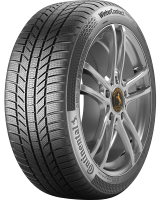
Third place went to the Continental WinterContact TS870P which is the tyre to buy if you want to save fuel or drive an EV, as it had by FAR the lowest rolling resistance on test. It also somehow blended that with one of the best performances in the dry, and excellent grip in the wet. It was a little weaker in the snow than the best tyres on test, but it was less than 4% off the best in snow braking and handling, so not a huge gap. Impressive tyre, especially when you stop and think about its rolling resistance levels.
| Test |
# |
Result |
Best |
Diff |
% |
| Dry Braking |
2nd |
41.64 M |
41.22 M |
+0.42 M |
98.99% |
| Dry Handling |
3rd |
71.4 s |
70.81 s |
+0.59 s |
99.17% |
| Subj. Dry Handling |
3rd |
98 Points |
100 Points |
-2 Points |
98% |
| Test |
# |
Result |
Best |
Diff |
% |
| Wet Braking |
3rd |
27.94 M |
27.28 M |
+0.66 M |
97.64% |
| Wet Handling |
6th |
58.09 s |
56.33 s |
+1.76 s |
96.97% |
| Subj. Wet Handling |
8th |
95 Points |
100 Points |
-5 Points |
95% |
| Straight Aqua |
8th |
93.3 Km/H |
96.81 Km/H |
-3.51 Km/H |
96.37% |
| Test |
# |
Result |
Best |
Diff |
% |
| Snow Braking |
6th |
18.59 M |
17.93 M |
+0.66 M |
96.45% |
| Snow Traction |
6th |
5.91 s |
5.54 s |
+0.37 s |
93.74% |
| Snow Handling |
8th |
87.61 s |
84.26 s |
+3.35 s |
96.18% |
| Subj. Snow Handling |
6th |
92 Points |
100 Points |
-8 Points |
92% |
| Test |
# |
Result |
Best |
Diff |
% |
| Subj. Comfort |
1st |
100 Points |
|
|
100% |
| Test |
# |
Result |
Best |
Diff |
% |
| Price |
9th |
171.59 |
92 |
+79.59 |
53.62% |
| Rolling Resistance |
1st |
7.39 kg / t |
|
|
100% |
Good wet braking, good aquaplaning resistance, best snow braking and excellent snow traction and handling.
Extended dry braking, average wet handling lap, average rolling resistance.
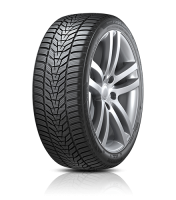
The Hankook Winter Icept Evo3 was one of the best tyres in the snow, which is an important quality for a winter tyre, had great grip in the wet with good aquaplaning resistance. It lost out a little in the dry with a 9th placed dry braking result, but it was only 5% off the best. A solid winter tyre.
| Test |
# |
Result |
Best |
Diff |
% |
| Dry Braking |
9th |
43.49 M |
41.22 M |
+2.27 M |
94.78% |
| Dry Handling |
6th |
71.68 s |
70.81 s |
+0.87 s |
98.79% |
| Subj. Dry Handling |
3rd |
98 Points |
100 Points |
-2 Points |
98% |
| Test |
# |
Result |
Best |
Diff |
% |
| Wet Braking |
4th |
28.45 M |
27.28 M |
+1.17 M |
95.89% |
| Wet Handling |
7th |
58.15 s |
56.33 s |
+1.82 s |
96.87% |
| Subj. Wet Handling |
2nd |
98 Points |
100 Points |
-2 Points |
98% |
| Straight Aqua |
4th |
95.05 Km/H |
96.81 Km/H |
-1.76 Km/H |
98.18% |
| Test |
# |
Result |
Best |
Diff |
% |
| Snow Braking |
1st |
17.93 M |
|
|
100% |
| Snow Traction |
2nd |
5.65 s |
5.54 s |
+0.11 s |
98.05% |
| Snow Handling |
4th |
85.24 s |
84.26 s |
+0.98 s |
98.85% |
| Subj. Snow Handling |
2nd |
95 Points |
100 Points |
-5 Points |
95% |
| Test |
# |
Result |
Best |
Diff |
% |
| Subj. Comfort |
6th |
95 Points |
100 Points |
-5 Points |
95% |
| Test |
# |
Result |
Best |
Diff |
% |
| Price |
4th |
125.19 |
92 |
+33.19 |
73.49% |
| Rolling Resistance |
5th |
8.49 kg / t |
7.39 kg / t |
+1.1 kg / t |
87.04% |
Good dry braking with excellent dry handling, good grip in the wet with good handling, excellent snow performance, excellent levels of comfort.
Mid pack wet braking, higher than average rolling resistance.
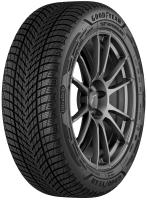
The new Goodyear Ultragrip performance 3 followed the usual Goodyear DNA of minimal compromises, scoring well in every category other than, unusually for goodyear, rolling resistance, but the tyre did have one of the best subjective noise and comfort levels on test.
| Test |
# |
Result |
Best |
Diff |
% |
| Dry Braking |
3rd |
42.54 M |
41.22 M |
+1.32 M |
96.9% |
| Dry Handling |
10th |
72.06 s |
70.81 s |
+1.25 s |
98.27% |
| Subj. Dry Handling |
1st |
100 Points |
|
|
100% |
| Test |
# |
Result |
Best |
Diff |
% |
| Wet Braking |
6th |
28.5 M |
27.28 M |
+1.22 M |
95.72% |
| Wet Handling |
5th |
58.01 s |
56.33 s |
+1.68 s |
97.1% |
| Subj. Wet Handling |
2nd |
98 Points |
100 Points |
-2 Points |
98% |
| Straight Aqua |
5th |
94.96 Km/H |
96.81 Km/H |
-1.85 Km/H |
98.09% |
| Test |
# |
Result |
Best |
Diff |
% |
| Snow Braking |
4th |
18.38 M |
17.93 M |
+0.45 M |
97.55% |
| Snow Traction |
3rd |
5.73 s |
5.54 s |
+0.19 s |
96.68% |
| Snow Handling |
2nd |
84.82 s |
84.26 s |
+0.56 s |
99.34% |
| Subj. Snow Handling |
2nd |
95 Points |
100 Points |
-5 Points |
95% |
| Test |
# |
Result |
Best |
Diff |
% |
| Subj. Comfort |
1st |
100 Points |
|
|
100% |
| Test |
# |
Result |
Best |
Diff |
% |
| Price |
8th |
154.99 |
92 |
+62.99 |
59.36% |
| Rolling Resistance |
8th |
8.62 kg / t |
7.39 kg / t |
+1.23 kg / t |
85.73% |
Great balance in the dry, good wet handling, best aquaplaning resistance on test, good grip in all snow tests.
Average result in dry braking, average comfort levels, higher than average rolling resistance.
The Pirelli Cinturato Winter 2 was another fun tyre to drive, with the best aquaplaning resistance on test, but sadly like the Giti its rolling resistance was amongst the highest of the group. It did however have more grip in the snow and wet than the Giti, hence finishing a spot higher.
| Test |
# |
Result |
Best |
Diff |
% |
| Dry Braking |
7th |
42.97 M |
41.22 M |
+1.75 M |
95.93% |
| Dry Handling |
7th |
71.86 s |
70.81 s |
+1.05 s |
98.54% |
| Subj. Dry Handling |
1st |
100 Points |
|
|
100% |
| Test |
# |
Result |
Best |
Diff |
% |
| Wet Braking |
5th |
28.49 M |
27.28 M |
+1.21 M |
95.75% |
| Wet Handling |
3rd |
57.97 s |
56.33 s |
+1.64 s |
97.17% |
| Subj. Wet Handling |
8th |
95 Points |
100 Points |
-5 Points |
95% |
| Straight Aqua |
1st |
96.81 Km/H |
|
|
100% |
| Test |
# |
Result |
Best |
Diff |
% |
| Snow Braking |
5th |
18.57 M |
17.93 M |
+0.64 M |
96.55% |
| Snow Traction |
5th |
5.79 s |
5.54 s |
+0.25 s |
95.68% |
| Snow Handling |
3rd |
85 s |
84.26 s |
+0.74 s |
99.13% |
| Subj. Snow Handling |
2nd |
95 Points |
100 Points |
-5 Points |
95% |
| Test |
# |
Result |
Best |
Diff |
% |
| Subj. Comfort |
9th |
90 Points |
100 Points |
-10 Points |
90% |
| Test |
# |
Result |
Best |
Diff |
% |
| Price |
10th |
172.69 |
92 |
+80.69 |
53.27% |
| Rolling Resistance |
9th |
8.76 kg / t |
7.39 kg / t |
+1.37 kg / t |
84.36% |
Very good in the dry, good subjective wet handling, excellent aquaplaning resistance.
Longer than average wet braking, high rolling resistance.
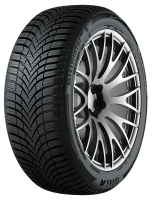
The Giti Wintersport S2 narrowly beat the Vredestein to 7th place overall. It was a fun tyre to drive, especially in the dry and had excellent aquaplaning resistance. Its only drawbacks were a higher rolling resistance and reduced comfort, but otherwise a solid tyre.
| Test |
# |
Result |
Best |
Diff |
% |
| Dry Braking |
4th |
42.66 M |
41.22 M |
+1.44 M |
96.62% |
| Dry Handling |
5th |
71.59 s |
70.81 s |
+0.78 s |
98.91% |
| Subj. Dry Handling |
3rd |
98 Points |
100 Points |
-2 Points |
98% |
| Test |
# |
Result |
Best |
Diff |
% |
| Wet Braking |
7th |
28.84 M |
27.28 M |
+1.56 M |
94.59% |
| Wet Handling |
8th |
58.2 s |
56.33 s |
+1.87 s |
96.79% |
| Subj. Wet Handling |
2nd |
98 Points |
100 Points |
-2 Points |
98% |
| Straight Aqua |
2nd |
96.03 Km/H |
96.81 Km/H |
-0.78 Km/H |
99.19% |
| Test |
# |
Result |
Best |
Diff |
% |
| Snow Braking |
8th |
18.94 M |
17.93 M |
+1.01 M |
94.67% |
| Snow Traction |
10th |
6.09 s |
5.54 s |
+0.55 s |
90.97% |
| Snow Handling |
8th |
87.61 s |
84.26 s |
+3.35 s |
96.18% |
| Subj. Snow Handling |
6th |
92 Points |
100 Points |
-8 Points |
92% |
| Test |
# |
Result |
Best |
Diff |
% |
| Subj. Comfort |
9th |
90 Points |
100 Points |
-10 Points |
90% |
| Test |
# |
Result |
Best |
Diff |
% |
| Price |
3rd |
116.79 |
92 |
+24.79 |
78.77% |
| Rolling Resistance |
10th |
8.79 kg / t |
7.39 kg / t |
+1.4 kg / t |
84.07% |
Good in snow handling, good rolling resistance.
Extended dry braking, reduced grip in the wet with below average wet handling and lower than average aquaplaning resistance.
The Vredestein Wintrac Pro had a good snow performance overall, a low rolling resistance but did struggle more in the dry than the previous two tyres. The Wintrac Pro has been on the market for a long time, but it's still holding its own considering the talent of this group.
| Test |
# |
Result |
Best |
Diff |
% |
| Dry Braking |
10th |
43.65 M |
41.22 M |
+2.43 M |
94.43% |
| Dry Handling |
9th |
72 s |
70.81 s |
+1.19 s |
98.35% |
| Subj. Dry Handling |
7th |
95 Points |
100 Points |
-5 Points |
95% |
| Test |
# |
Result |
Best |
Diff |
% |
| Wet Braking |
8th |
29.43 M |
27.28 M |
+2.15 M |
92.69% |
| Wet Handling |
9th |
59.38 s |
56.33 s |
+3.05 s |
94.86% |
| Subj. Wet Handling |
10th |
92 Points |
100 Points |
-8 Points |
92% |
| Straight Aqua |
9th |
92.97 Km/H |
96.81 Km/H |
-3.84 Km/H |
96.03% |
| Test |
# |
Result |
Best |
Diff |
% |
| Snow Braking |
7th |
18.76 M |
17.93 M |
+0.83 M |
95.58% |
| Snow Traction |
8th |
5.98 s |
5.54 s |
+0.44 s |
92.64% |
| Snow Handling |
5th |
86.32 s |
84.26 s |
+2.06 s |
97.61% |
| Subj. Snow Handling |
2nd |
95 Points |
100 Points |
-5 Points |
95% |
| Test |
# |
Result |
Best |
Diff |
% |
| Subj. Comfort |
8th |
92 Points |
100 Points |
-8 Points |
92% |
| Test |
# |
Result |
Best |
Diff |
% |
| Price |
5th |
137.99 |
92 |
+45.99 |
66.67% |
| Rolling Resistance |
4th |
8.45 kg / t |
7.39 kg / t |
+1.06 kg / t |
87.46% |
Strong in the dry with good subjective handling in all conditions.
Weakest tyre in the wet overall, low aquaplaning resistance
The Kumho Winter Craft WP52 has a similar performance overall to the Falken, but it was a little better in the snow and had a slightly better rolling resistance, but couldn't match the Falken in wet handling. Tit for tat between the two brands.
| Test |
# |
Result |
Best |
Diff |
% |
| Dry Braking |
4th |
42.66 M |
41.22 M |
+1.44 M |
96.62% |
| Dry Handling |
4th |
71.45 s |
70.81 s |
+0.64 s |
99.1% |
| Subj. Dry Handling |
7th |
95 Points |
100 Points |
-5 Points |
95% |
| Test |
# |
Result |
Best |
Diff |
% |
| Wet Braking |
10th |
30.8 M |
27.28 M |
+3.52 M |
88.57% |
| Wet Handling |
10th |
60.19 s |
56.33 s |
+3.86 s |
93.59% |
| Subj. Wet Handling |
2nd |
98 Points |
100 Points |
-2 Points |
98% |
| Straight Aqua |
10th |
91.52 Km/H |
96.81 Km/H |
-5.29 Km/H |
94.54% |
| Test |
# |
Result |
Best |
Diff |
% |
| Snow Braking |
10th |
19.23 M |
17.93 M |
+1.3 M |
93.24% |
| Snow Traction |
8th |
5.98 s |
5.54 s |
+0.44 s |
92.64% |
| Snow Handling |
7th |
86.79 s |
84.26 s |
+2.53 s |
97.08% |
| Subj. Snow Handling |
6th |
92 Points |
100 Points |
-8 Points |
92% |
| Test |
# |
Result |
Best |
Diff |
% |
| Subj. Comfort |
9th |
90 Points |
100 Points |
-10 Points |
90% |
| Test |
# |
Result |
Best |
Diff |
% |
| Price |
2nd |
110.79 |
92 |
+18.79 |
83.04% |
| Rolling Resistance |
7th |
8.6 kg / t |
7.39 kg / t |
+1.21 kg / t |
85.93% |
Good dry and wet handling, excellent aquaplaning resistance, very quiet and comfortable.
Long wet braking distances, limited performance in the snow, highest rolling resistance on test.
The Falken Eurowinter HS02 Pro struggled in the rolling resistance test, having the worst of the group, and wasn't the best in the snow either, but it was obviously much better than the summer tyre. It WAS good in wet and dry handling, and had great aquaplaning resistance. Perhaps not a bad winter tyre for somewhere like the UK that doesn't see much snow.
| Test |
# |
Result |
Best |
Diff |
% |
| Dry Braking |
6th |
42.74 M |
41.22 M |
+1.52 M |
96.44% |
| Dry Handling |
2nd |
71.25 s |
70.81 s |
+0.44 s |
99.38% |
| Subj. Dry Handling |
7th |
95 Points |
100 Points |
-5 Points |
95% |
| Test |
# |
Result |
Best |
Diff |
% |
| Wet Braking |
9th |
29.58 M |
27.28 M |
+2.3 M |
92.22% |
| Wet Handling |
3rd |
57.97 s |
56.33 s |
+1.64 s |
97.17% |
| Subj. Wet Handling |
2nd |
98 Points |
100 Points |
-2 Points |
98% |
| Straight Aqua |
3rd |
95.24 Km/H |
96.81 Km/H |
-1.57 Km/H |
98.38% |
| Test |
# |
Result |
Best |
Diff |
% |
| Snow Braking |
11th |
20.965 M |
17.93 M |
+3.04 M |
85.52% |
| Snow Traction |
11th |
6.15 s |
5.54 s |
+0.61 s |
90.08% |
| Snow Handling |
11th |
90.66 s |
84.26 s |
+6.4 s |
92.94% |
| Subj. Snow Handling |
10th |
90 Points |
100 Points |
-10 Points |
90% |
| Test |
# |
Result |
Best |
Diff |
% |
| Subj. Comfort |
1st |
100 Points |
|
|
100% |
| Test |
# |
Result |
Best |
Diff |
% |
| Price |
6th |
142.89 |
92 |
+50.89 |
64.39% |
| Rolling Resistance |
11th |
8.9 kg / t |
7.39 kg / t |
+1.51 kg / t |
83.03% |
Low rolling resistance.
Worst grip in the dry, wet and snow. Extremely long wet braking distances.
Last place was the cheap tyre, its only redeeming quality was the price and the rolling resistance levels, but if you're looking for good levels of grip in the dry, wet or snow, maybe pick another tyre from the results.
| Test |
# |
Result |
Best |
Diff |
% |
| Dry Braking |
11th |
45.36 M |
41.22 M |
+4.14 M |
90.87% |
| Dry Handling |
11th |
73.24 s |
70.81 s |
+2.43 s |
96.68% |
| Subj. Dry Handling |
11th |
92 Points |
100 Points |
-8 Points |
92% |
| Test |
# |
Result |
Best |
Diff |
% |
| Wet Braking |
11th |
35.16 M |
27.28 M |
+7.88 M |
77.59% |
| Wet Handling |
11th |
66.05 s |
56.33 s |
+9.72 s |
85.28% |
| Subj. Wet Handling |
11th |
80 Points |
100 Points |
-20 Points |
80% |
| Straight Aqua |
11th |
91.08 Km/H |
96.81 Km/H |
-5.73 Km/H |
94.08% |
| Test |
# |
Result |
Best |
Diff |
% |
| Snow Braking |
9th |
19.05 M |
17.93 M |
+1.12 M |
94.12% |
| Snow Traction |
7th |
5.95 s |
5.54 s |
+0.41 s |
93.11% |
| Snow Handling |
10th |
89.95 s |
84.26 s |
+5.69 s |
93.67% |
| Subj. Snow Handling |
10th |
90 Points |
100 Points |
-10 Points |
90% |
| Test |
# |
Result |
Best |
Diff |
% |
| Subj. Comfort |
6th |
95 Points |
100 Points |
-5 Points |
95% |
| Test |
# |
Result |
Best |
Diff |
% |
| Price |
1st |
92 |
|
|
100% |
| Rolling Resistance |
3rd |
8.44 kg / t |
7.39 kg / t |
+1.05 kg / t |
87.56% |



Why do the same tyres (e.g. Conti WinterContact TS 870 P) have different rolling resistance values in this test and the UHP-Winter-Tyre-Test?? Also some other categories highly differ between the two tests.
Different sizes?
to me this suggests that good AllSeason-Tyres are plain BETTER THAN WINTER-Tyres if you rarely drive in snow. Am I correct?
The advantage in Dry and Wet performance of the AllSeason againt a winter tyre seems much more significant than the downside on snow and ice. Isn't it a no-brainer to choose the allseason if there is only snow 3-4 days a year?
I wonder: Are the results for wet and dry still so much in favour for the AllSeason when tested in much cooler temperatures (around and sub zero?).
The data from your Winter-Tyre-Tests suggest the same situation.
Idea for a future test: Pick a good AllSeason and Winter tyre and define at which temperature the Winter-Tyre pulls ahead.
Correct, I think an all season tyre as a winter tyre is a good option for mild winter climates.
Where is Nokian Tyres???, the legendary tyre brand.... Looks like this test setup was made only to favor certain brands...
I spoke with nokian and they didn't have a tyre they wanted testing in this category.
At what temperature was the wet brake test carried out? I'm trying to decide whether to buy all-weather tires and only use them in winter, because the winters in Germany (in my region) don't get that cold anymore. The last few years max. -5 degrees C. And the effective temperature of winter tires is only up to about 7 degrees C.
I am between the Allseasoncontact 2 and the Blizzak LM005. The Blizzak performs better in the wet, which would be important for me. But I don't know whether, for example, the (wet) braking distance of these tires worsens when it gets warmer. Because the braking distance of the all- season tires would then remain pretty much the same. In addition, the winter tires would wear out more in the warmer temperatures.
I'd have to dig out my notes but I believe around 15c
I see you tested here the Mich Alpin 5 ;is this tyre better than the Alpin 6 ??
I drive with a BMW G30 252 hp now with Hankook S1evo3 ,can i better choose for HK ?Would i feel a big difference with Michelin ? We don't have many snow over here...
In fact i want to try anything else but HK is very good in price here in Belgium ;about 67,- euro per tyre cheaper
Thanks
Different category, the Pilot version is more performance orientated for larger wheel sizes.
Hello, in the tests you indicate how many kilometers the tire can last before it wears down and has to be replaced. But we don't know how high the sample is. It is different in every country. You can state it, in Germany it is 1.6 mm, elsewhere, for example, 4 mm. So everyone has a different approach to a given set of tires.
There was no wear in this test?
Hi, great review again this year thanks. I've moved on to a Tesla 3 and I'm looking forward to the Alps runs over the ski season. Given the Cross Climate 2 is so good in the snow, it really comes down to choosing the all season or dedicated winter tyre. So the question, please, for NONE SNOW conditions, wet, damp and freezing UK road conditions during the winter only, does the Alpin 5 or LM005 outperform the CC2 outside of the snow?
Thanks
I think the LM005 would be better in the wet, the CC2 will be better in the dry
Hi Mike, I live in London and four years ago went for the LM005 as winter tyre set for my Model 3. They are truly remarkable tyres and deserving all the praise that they received for wet conditions, and I think a great choice for UK winter climate (more wet than icy/snowy).
Given the relatively mild winter climate at these latitudes, I often wondered whether the CC2 might have been a wiser choice, replacing the hassle of swapping tyres twice every year. What is putting me off is higher rolling resistance (LM005 are really efficient for a winter tyre!) and arguably less sporty performances both in winter and summer. I have no direct experience with CC2s, it would be nice to hear from someone who made this choice on this same car.
As an aside, given the healthy pace of EV adoption, it would be cool to hear from @TyreReviews:disqus whether EV driving dynamics are such that they warrant separate tyre tests, or if the findings in these articles can generalize past ICE vehicles. Thank you!
I think the information about size of rim protection for Pilot Alpin 5 in this test is incorrect. Size is stated to be Large - but it is certainly smaller than rim protection on TS870P.
I bought Pilot Alpin 5 based on this test and the fact that rim protection was stated to be large!
However when my tires arrived the rim protection was very small and when I checked your video it’s obvious that protection is small! What a pity.
LM005 has the largest, then TS870P has medium Pilot Alpin 5 is the smallest from these three.
I've just double checked the static photos and while there isn't a great angle, the 3/4 shot shows quite a sizable rim protection.
Rim protection varies based on tyre size, and of course rim width fitted. Looking at my more recent test of the same tires in 255/40 R19 the Michelin also has a larger rim protector than the Conti.
Sorry you didn't get as much protection as you thought you'd get.
Hello, thanks for the excellent tests. I would like to ask you if it would be possible to put winter and year-round tests together in the table. It will be wonderful to see how they are doing in exact numbers. All-season tires in many cases here in Europe (little or no snow) are worth using as winter tires and for summer to have really summer ones. And this combination, year-round in winter and summer in summer, works out better than the winter + summer combination.
The year-round ones are also better suited in the summer and you don't have to throw away the 4 mm sample. Keep in mind that in each country, there are different sample rules.
So, the indicated runs need to be specified to which number on the tire sample it is. E.g. Germany summer and winter 1.6 mm. All the best.
this only works out when the tests was done on the same day, sadly that hasn't been the case up until now, but next year I will be doing this.
Greetings from Croatia.
I use summer tyres Goodyear 215/55 R18 99V on my almost new Mokka 100KW.
I need some advice about winter tyres.
1. May I mount a different tyre size (except 215/55 R18) on the 7Jx18 ET 35 rims. I would like
smaller.
2. Recommend me, please,
brand of winter tyres. I would like a comfortable, quiet tyre. Very good in the rain, good in the dry and snow.
(Bridgestone Continental, Goodyear, Dunlop.).
3. If I stay at the size 215/55 R, could I put instead load/speed index 99V
level down 97(96)and H ?
Thank you very much
Juric
Great comparative review. But why not including any EV specific tyres? Or a specific EV tyres test. I have only EVs and not a single Hankook ION i*cept professional review on internet.
I'm not sure there's enough non-oe EV winter tires to test yet, but a lot of these tires are noted as EV-Ready which means the brands don't plan to make an EV specific model in this category.
Interesting to see the Hankook Prime 4 have a massive win in the aquaplaning test when it always struggles quite behind the best in summer tyre tests, and doesn´t even have a great tread depth compared to the winter and all season tyres in this test. I've always thought winter and all season tyres had a lot more aquaplaning resistance. Another good reason to change tyres when the winter season is over.
Asymmetric ribs are very good for aquaplaning :)
I'm not too surprised about the results. All tires and results are somehow expected. Very interesting data since you tested all-season and summer tires too to compare results. I'm surprised how much better the summer tire is in performance in dry conditions. What was the air temperature during the test?
If I recall around 10c. Summer will be better in the dry whatever the temp
Yeah, big Thanks for this review :)
No big surprises so far, the LM005 and Pilot Alpin 5 seems to be simply the best.
It´s annoying that the Pilot are not available in my size, so I decided last year to get the LM005.
At least it won my vote because of the large Rim Protection, my other choices, the Hankook icept RS3 and Pirelli Winter Cinturato 2 don´t offer this kind of protection.
So also a big Thanks for mention this :)
I´m not absoluty satisfied with my LM005, it´s a very good tyre for wet grip, but the quality doesn´t confied me. After one winter the front tyre(s) looks like the tread is cracked in the middle. And on some surfaces it start to have micro-vibrations.
Hope there will a alternative in my size in the next years, maybe an Alpin 7?
I saw the Auto Express Winter tyre test is out since 20. Sept.
https://www.autoexpress.co....
But strange thing I don´t know in which issue the test is.
Did you compare TS860S vs VikingContact7 (ice braking)?? I can not find any tests for different types of tires..
I did vc7 against TS870 yes, find the VC7 page and the test is linked there.
Thank you very much!
Hi guys, I need help... I am trying to buy the best tires for my mother, its 205/60 R16 for hatchback... she drives around 3000 km a year, usually regional roads and city. We live in the are we there is no much snow during the year, but sometimes you cannot predict... I dont care about the price, just want to get her best tyre for winter, summer ... somebody would say that all season might be best, but the braking performance in wet (for winter tyres) and dry (for summer) are quite better in comparison to all season... i compare just the best 3 tyres... economy of the tyre does not play the role.... what would be your suggestion? https://uploads.disquscdn.c...
thanks!
It depends if you want 2 sets. If you do the PC7 and LM005 combo is hard to beat but also the all seasons are a great compromise assuming she's not racing around and you don't have to worry about changing them.
thanks, she is very comfort driver. Only thing where I fear is the braking distance, for summer ones will be better, in winter to winter ones will be better. Do I understand correctly, that the braking distances are not important when driving in comfort?
I'm not sure I understand. Braking distances are always important to me as that's when you need a tyre the most (emergency braking!)
You mention that some tyres may have got an update, in this case the Vredestein. Is there a way to see if an tyre did have an update within the same model? Something like "Mark I", "Mark II", printed on the sidewall etc?
I was surprised that the Bridgestone Blizzak LM005 was the winner in the test again. I have had these tyres on my Opel Ampera-e (215/50/r17) for three seasons and it has only 3mm of tread depth left. The tyre indeed has great grip (couldn't try it in the snow, because we didn't have any), but the comfort, and especially the sound, is lacking. Rarely had such a noisy tyre. But that will undoubtedly also have to do with the fact that it is an EV, so you will hear more tyre noise. But maybe this tyre also got an update? So I'm still in doubt as to which tyre I'm going to get for my winter rims. Possibly a All Season tire, given the good performance of the Hankook Kinergy 4S2 or perhaps the Goodyear Vector 4Seasons Gen-3. Which would you prefer for use in an area with mild winters?
Usually midlife updates are not published anywhere, I have no info for them sadly.
The Bridgestone does seem to wear very quickly but as we don't test that for this test I can't include it in the results.
I think there are a number of goood allseason-as-winter-tyre options for the UK like climates, check out the two most recent all season tests for full info
Very interesting results..especially for WINTRAC PRO, a tire that until recently was the "queen in the wet"
Are you thinking about the Wintrac being queen in wet? (newer different product)
Why no Nokian tyres?
I've used them for many years and found their performance quite good.
The SnowProof range was made in Russia so availability was difficult at time of purchasing tyres.
Nokian fights often with very different quality and weakness in minimal one of the 3 test categories.
Personally I avoid Nokian since the WR D3. Not because Nokian give the testers money to get better results, the WR D3 Made in Russia looks after 3 years very cracked and was very bad in the wet. Our oldest tyres in the last decades, 9 year old Toyo Snowprox S940 and 8 year old Dunlop SP01 AS looks so much better. And in contrast to the Nokian the Toyo and Dunlop were fit on a car which was never in a garage.
Again, great test. Nice work!
It is amazing to see how well the all season Hankook Kinergy 4S2 performs in the test. This actually makes it the ultimate mild climate tyre.
Also I’m happy to see that you have added the degree of rim protection. Nice!
Thanks :) Glad it was useful
Hope in the next summer tyre test you will also add the Rim Protection degree :)
It's already in this test, noted in the results section
You mean the last summer tyres test, I guess :)
Have seen it now, Thanks :)