Test Publication:
Auto Bild
225/45 R17
20 tyres
4 categories
Test Size:
225/45 R17
Tyres Tested:
20 tyres
Auto Bild is not affiliated with, and does not endorse, Tyre Reviews. This is independent editorial coverage of their published test.
This is going to be a long test! The German publication Auto Bild often perform the most thorough tyre tests of any of the traditional publications, and 2019 is no exception. After taking
fifty three 225/45 R17 tyre patterns through wet and dry braking testing to establish the top twenty available in the market, Auto Bild have run the best of the 17" tyres through an extremely thorough full test, and even included the often omitted wear test!
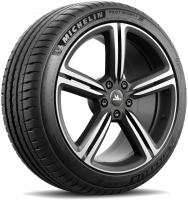
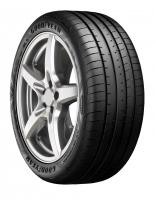
The Michelin Pilot Sport 4 continued on from a very strong run of results in 2018 to win the test overall, with the brand new Goodyear Eagle F1 Asymmetric 5 a very close second. The new Goodyear only had one weakness, the rolling resistance testing, and was also reported to have a very high purchase price, which no longer applies in the UK market.
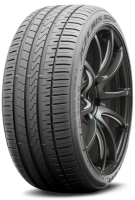
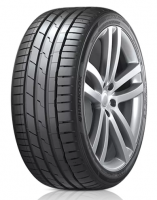
Third place was joint awarded to another new tyre, the Hankook Ventus S1 Evo 3. This continues on the excellent results Hankook has achieved with the new Ventus Prime 3 in 2018, and confirms what the market has suspected for a while - Hankook is now a premium player. The more established Falken FK510 matched the Hankook, with its only weakness being wear.
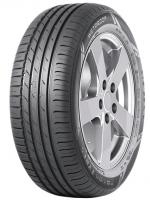
It's also worth noting that this is the first test the seventh place Nokian WetProof has been featured in. WetProof by name, the new Nokian proved to be extremely strong in the wet handling tests, but struggled during the aquaplaning testing.
Dry
If you average the dry braking and dry handling results, the Michelin Pilot Sport 4 is the best dry weather tyre overall, with a huge gap during the dry braking testing. The Auto Bild testers also commented that the Michelin Pilot Sport 4 was the best handling tyre on test, giving excellent steering feel and precision.
- Michelin Pilot Sport 4
- Goodyear Eagle F1 Asymmetric 5
- Kenda Emera A1
- Fulda SportControl 2
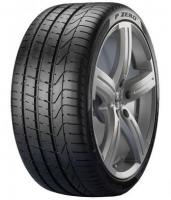
- Pirelli P Zero
- Yokohama Advan Fleva V701
- Firestone RoadHawk
- Hankook Ventus S1 evo 3
- Nokian WetProof
- Vredestein Ultrac Vorti
- Dunlop SportMaxx RT 2
- Bridgestone Turanza T005
- Sava Intensa UHP 2
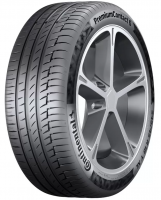
- Continental Premium Contact 6
- Kleber Dynaxer UHP
- Falken Azenis FK510
- Maxxis Premitra HP5
- Apollo Aspire XP
- Toyo Proxes Sport
- Kumho Ecsta PS71
- Pirelli P Zero
- Michelin Pilot Sport 4
- Hankook Ventus S1 evo 3
- Falken Azenis FK510
- Vredestein Ultrac Vorti
- Dunlop SportMaxx RT 2
- Fulda SportControl 2
- Sava Intensa UHP 2
- Goodyear Eagle F1 Asymmetric 5
- Continental Premium Contact 6
- Toyo Proxes Sport
- Kumho Ecsta PS71
- Nokian WetProof
- Yokohama Advan Fleva V701
- Maxxis Premitra HP5
- Kenda Emera A1
- Apollo Aspire XP
- Bridgestone Turanza T005
- Kleber Dynaxer UHP
- Firestone RoadHawk
Wet
The top four tyres during wet braking were all extremely close, with the new Hankook just beating the new Goodyear for the best wet braking tyre on test.
- Hankook Ventus S1 evo 3
- Goodyear Eagle F1 Asymmetric 5
- Pirelli P Zero
- Falken Azenis FK510
- Michelin Pilot Sport 4
- Nokian WetProof
- Continental Premium Contact 6
- Kenda Emera A1
- Vredestein Ultrac Vorti
- Bridgestone Turanza T005
- Apollo Aspire XP
- Dunlop SportMaxx RT 2
- Kumho Ecsta PS71
- Toyo Proxes Sport
- Fulda SportControl 2
- Firestone RoadHawk
- Kleber Dynaxer UHP
- Sava Intensa UHP 2
- Yokohama Advan Fleva V701
- Maxxis Premitra HP5
The test-winning Michelin proved to be extremely strong during wet handling, leading the pack by a small margin.
- Michelin Pilot Sport 4
- Nokian WetProof
- Pirelli P Zero
- Bridgestone Turanza T005
- Goodyear Eagle F1 Asymmetric 5
- Kenda Emera A1
- Falken Azenis FK510
- Toyo Proxes Sport
- Apollo Aspire XP
- Continental Premium Contact 6
- Hankook Ventus S1 evo 3
- Kumho Ecsta PS71
- Fulda SportControl 2
- Vredestein Ultrac Vorti
- Sava Intensa UHP 2
- Yokohama Advan Fleva V701
- Maxxis Premitra HP5
- Dunlop SportMaxx RT 2
- Firestone RoadHawk
- Kleber Dynaxer UHP
And somehow the Michelin tyre also dominated the straight aquaplaning testing, which is normally an opposing quality to tests like dry grip and handling.
- Michelin Pilot Sport 4
- Toyo Proxes Sport
- Dunlop SportMaxx RT 2
- Kenda Emera A1
- Falken Azenis FK510
- Kumho Ecsta PS71
- Hankook Ventus S1 evo 3
- Goodyear Eagle F1 Asymmetric 5
- Sava Intensa UHP 2
- Apollo Aspire XP
- Maxxis Premitra HP5
- Vredestein Ultrac Vorti
- Fulda SportControl 2
- Pirelli P Zero
- Yokohama Advan Fleva V701
- Continental Premium Contact 6
- Bridgestone Turanza T005
- Kleber Dynaxer UHP
- Nokian WetProof
- Firestone RoadHawk
Environment
The Bridgestone Turanza T005 proved to have the lowest fuel use on test.
All tyres, apart from the Bridgestone T005 were separated by less than 3dB during the external noise testing, with the new Nokian WetProof the quietest tyre on test.
- Nokian WetProof
- Yokohama Advan Fleva V701
- Apollo Aspire XP
- Michelin Pilot Sport 4
- Falken Azenis FK510
- Hankook Ventus S1 evo 3
- Kleber Dynaxer UHP
- Fulda SportControl 2
- Dunlop SportMaxx RT 2
- Kenda Emera A1
- Vredestein Ultrac Vorti
- Sava Intensa UHP 2
- Continental Premium Contact 6
- Goodyear Eagle F1 Asymmetric 5
- Toyo Proxes Sport
- Firestone RoadHawk
- Maxxis Premitra HP5
- Pirelli P Zero
- Kumho Ecsta PS71
- Bridgestone Turanza T005
Each tyre was given a subjective comfort score, with the Michelin again being in a class of one.
- Michelin Pilot Sport 4
- Sava Intensa UHP 2
- Maxxis Premitra HP5
- Falken Azenis FK510
- Kleber Dynaxer UHP
- Continental Premium Contact 6
- Apollo Aspire XP
- Bridgestone Turanza T005
- Toyo Proxes Sport
- Kumho Ecsta PS71
- Fulda SportControl 2
- Goodyear Eagle F1 Asymmetric 5
- Hankook Ventus S1 evo 3
- Pirelli P Zero
- Kenda Emera A1
- Firestone RoadHawk
- Yokohama Advan Fleva V701
- Nokian WetProof
- Vredestein Ultrac Vorti
- Dunlop SportMaxx RT 2
Cost
The new Goodyear Eagle F1 Asymmetric 5 beat Michelin at it's own game, having the lowest wear on test! Michelin and Continental were a close second and third place, which is great to see as wear has been a weak point for Continental in the past.
- Goodyear Eagle F1 Asymmetric 5
- Michelin Pilot Sport 4
- Continental Premium Contact 6
- Sava Intensa UHP 2
- Dunlop SportMaxx RT 2
- Bridgestone Turanza T005
- Hankook Ventus S1 evo 3
- Apollo Aspire XP
- Falken Azenis FK510
- Kleber Dynaxer UHP
- Vredestein Ultrac Vorti
- Fulda SportControl 2
- Nokian WetProof
- Yokohama Advan Fleva V701
- Pirelli P Zero
- Firestone RoadHawk
- Maxxis Premitra HP5
- Toyo Proxes Sport
- Kenda Emera A1
- Kumho Ecsta PS71
The new Goodyear was the most expensive tyre tested, which would be to do with the new nature of the tyre. If you see our pricing below, the new Goodyear is already significantly cheaper than the Michelin in the UK.
- Sava Intensa UHP 2
- Maxxis Premitra HP5
- Kenda Emera A1
- Kumho Ecsta PS71
- Fulda SportControl 2
- Apollo Aspire XP
- Falken Azenis FK510
- Firestone RoadHawk
- Vredestein Ultrac Vorti
- Toyo Proxes Sport
- Kleber Dynaxer UHP
- Dunlop SportMaxx RT 2
- Hankook Ventus S1 evo 3
- Nokian WetProof
- Bridgestone Turanza T005
- Continental Premium Contact 6
- Yokohama Advan Fleva V701
- Pirelli P Zero
- Michelin Pilot Sport 4
- Goodyear Eagle F1 Asymmetric 5
Most importantly, the "value" test, where the magazine divides the purchase price by the potential wear had the Continental and Falken as the best value tyres of the top six places! With the corrected Goodyear pricing, the new Asymmetric 5 also looks to be extremely good value.
- Sava Intensa UHP 2
- Continental Premium Contact 6
- Apollo Aspire XP
- Maxxis Premitra HP5
- Falken Azenis FK510
- Fulda SportControl 2
- Dunlop SportMaxx RT 2
- Hankook Ventus S1 evo 3
- Vredestein Ultrac Vorti
- Michelin Pilot Sport 4
- Kleber Dynaxer UHP
- Bridgestone Turanza T005
- Goodyear Eagle F1 Asymmetric 5
- Firestone RoadHawk
- Nokian WetProof
- Kenda Emera A1
- Yokohama Advan Fleva V701
- Toyo Proxes Sport
- Kumho Ecsta PS71
- Pirelli P Zero
Results
Below are the overall results and testers commentary. Be sure to check out the full test on autobild.de, and feel free to leave any comments or questions below.
Best driving dynamics on test, and in the top 3 in almost all tests. Excellent wet and dry handling, low wear.
High purchase price, average rolling resistance.
Highly recommended.
| Test |
# |
Result |
Best |
Diff |
% |
| Dry Braking |
1st |
34.2 M |
|
|
100% |
| Dry Handling |
2nd |
117.7 Km/H |
118 Km/H |
-0.3 Km/H |
99.75% |
| Test |
# |
Result |
Best |
Diff |
% |
| Wet Braking |
5th |
29.6 M |
28.7 M |
+0.9 M |
96.96% |
| Wet Handling |
1st |
76.5 Km/H |
|
|
100% |
| Straight Aqua |
1st |
99.7 Km/H |
|
|
100% |
| Test |
# |
Result |
Best |
Diff |
% |
| Subj. Comfort |
1st |
9 Points |
|
|
100% |
| Noise |
4th |
71.6 dB |
71.3 dB |
+0.3 dB |
99.58% |
| Test |
# |
Result |
Best |
Diff |
% |
| Wear |
2nd |
51090 KM |
54210 KM |
-3120 KM |
94.24% |
| Value |
10th |
9.4 Price/1000 |
6.47 Price/1000 |
+2.93 Price/1000 |
68.83% |
| Price |
19th |
480 |
290 |
+190 |
60.42% |
| Rolling Resistance |
15th |
9.8 kg / t |
7.49 kg / t |
+2.31 kg / t |
76.43% |
Excellent wet handling with high steering precision, short braking distances, extremely low wear leading to an excellent price / performance ratio.
High purchase price, average comfort.
Highly recommended.
| Test |
# |
Result |
Best |
Diff |
% |
| Dry Braking |
2nd |
34.7 M |
34.2 M |
+0.5 M |
98.56% |
| Dry Handling |
8th |
116.8 Km/H |
118 Km/H |
-1.2 Km/H |
98.98% |
| Test |
# |
Result |
Best |
Diff |
% |
| Wet Braking |
2nd |
28.8 M |
28.7 M |
+0.1 M |
99.65% |
| Wet Handling |
5th |
74.7 Km/H |
76.5 Km/H |
-1.8 Km/H |
97.65% |
| Straight Aqua |
8th |
95 Km/H |
99.7 Km/H |
-4.7 Km/H |
95.29% |
| Test |
# |
Result |
Best |
Diff |
% |
| Subj. Comfort |
11th |
6 Points |
9 Points |
-3 Points |
66.67% |
| Noise |
12th |
72.6 dB |
71.3 dB |
+1.3 dB |
98.21% |
| Test |
# |
Result |
Best |
Diff |
% |
| Wear |
1st |
54210 KM |
|
|
100% |
| Value |
12th |
9.59 Price/1000 |
6.47 Price/1000 |
+3.12 Price/1000 |
67.47% |
| Price |
20th |
520 |
290 |
+230 |
55.77% |
| Rolling Resistance |
14th |
9.61 kg / t |
7.49 kg / t |
+2.12 kg / t |
77.94% |
Good wet and dry grip, sporty dry handling, excellent wet braking, well priced.
Average mileage.
Highly recommended.
| Test |
# |
Result |
Best |
Diff |
% |
| Dry Braking |
16th |
36 M |
34.2 M |
+1.8 M |
95% |
| Dry Handling |
4th |
117.4 Km/H |
118 Km/H |
-0.6 Km/H |
99.49% |
| Test |
# |
Result |
Best |
Diff |
% |
| Wet Braking |
4th |
29 M |
28.7 M |
+0.3 M |
98.97% |
| Wet Handling |
7th |
74.4 Km/H |
76.5 Km/H |
-2.1 Km/H |
97.25% |
| Straight Aqua |
5th |
95.6 Km/H |
99.7 Km/H |
-4.1 Km/H |
95.89% |
| Test |
# |
Result |
Best |
Diff |
% |
| Subj. Comfort |
3rd |
7 Points |
9 Points |
-2 Points |
77.78% |
| Noise |
5th |
71.7 dB |
71.3 dB |
+0.4 dB |
99.44% |
| Test |
# |
Result |
Best |
Diff |
% |
| Wear |
9th |
39390 KM |
54210 KM |
-14820 KM |
72.66% |
| Value |
5th |
8.76 Price/1000 |
6.47 Price/1000 |
+2.29 Price/1000 |
73.86% |
| Price |
7th |
345 |
290 |
+55 |
84.06% |
| Rolling Resistance |
11th |
9.48 kg / t |
7.49 kg / t |
+1.99 kg / t |
79.01% |
Extremely well balanced performance, precise steering and good feedback in the dry, best wet braking, well priced.
Average comfort.
Highly recommended.
| Test |
# |
Result |
Best |
Diff |
% |
| Dry Braking |
6th |
35.2 M |
34.2 M |
+1 M |
97.16% |
| Dry Handling |
3rd |
117.5 Km/H |
118 Km/H |
-0.5 Km/H |
99.58% |
| Test |
# |
Result |
Best |
Diff |
% |
| Wet Braking |
1st |
28.7 M |
|
|
100% |
| Wet Handling |
11th |
73.2 Km/H |
76.5 Km/H |
-3.3 Km/H |
95.69% |
| Straight Aqua |
7th |
95.1 Km/H |
99.7 Km/H |
-4.6 Km/H |
95.39% |
| Test |
# |
Result |
Best |
Diff |
% |
| Subj. Comfort |
11th |
6 Points |
9 Points |
-3 Points |
66.67% |
| Noise |
6th |
71.8 dB |
71.3 dB |
+0.5 dB |
99.3% |
| Test |
# |
Result |
Best |
Diff |
% |
| Wear |
7th |
41340 KM |
54210 KM |
-12870 KM |
76.26% |
| Value |
8th |
9.19 Price/1000 |
6.47 Price/1000 |
+2.72 Price/1000 |
70.4% |
| Price |
12th |
380 |
290 |
+90 |
76.32% |
| Rolling Resistance |
11th |
9.48 kg / t |
7.49 kg / t |
+1.99 kg / t |
79.01% |
A well balanced performance with good wet handling, short wet and dry braking distances, low rolling resistance, low wear.
Average aquaplaning results.
Highly recommended.
| Test |
# |
Result |
Best |
Diff |
% |
| Dry Braking |
14th |
35.8 M |
34.2 M |
+1.6 M |
95.53% |
| Dry Handling |
10th |
116.4 Km/H |
118 Km/H |
-1.6 Km/H |
98.64% |
| Test |
# |
Result |
Best |
Diff |
% |
| Wet Braking |
7th |
29.9 M |
28.7 M |
+1.2 M |
95.99% |
| Wet Handling |
10th |
73.3 Km/H |
76.5 Km/H |
-3.2 Km/H |
95.82% |
| Straight Aqua |
16th |
91.8 Km/H |
99.7 Km/H |
-7.9 Km/H |
92.08% |
| Test |
# |
Result |
Best |
Diff |
% |
| Subj. Comfort |
3rd |
7 Points |
9 Points |
-2 Points |
77.78% |
| Noise |
12th |
72.6 dB |
71.3 dB |
+1.3 dB |
98.21% |
| Test |
# |
Result |
Best |
Diff |
% |
| Wear |
3rd |
50700 KM |
54210 KM |
-3510 KM |
93.53% |
| Value |
2nd |
8.09 Price/1000 |
6.47 Price/1000 |
+1.62 Price/1000 |
79.98% |
| Price |
16th |
410 |
290 |
+120 |
70.73% |
| Rolling Resistance |
3rd |
8.23 kg / t |
7.49 kg / t |
+0.74 kg / t |
91.01% |
Sporty summer tyre with excellent handling, good dry braking, very good curved aquaplaning, low noise, low rolling resistance, low price.
Average mileage.
Highly recommended.
| Test |
# |
Result |
Best |
Diff |
% |
| Dry Braking |
4th |
35.1 M |
34.2 M |
+0.9 M |
97.44% |
| Dry Handling |
7th |
116.9 Km/H |
118 Km/H |
-1.1 Km/H |
99.07% |
| Test |
# |
Result |
Best |
Diff |
% |
| Wet Braking |
15th |
32 M |
28.7 M |
+3.3 M |
89.69% |
| Wet Handling |
13th |
73 Km/H |
76.5 Km/H |
-3.5 Km/H |
95.42% |
| Straight Aqua |
13th |
93.8 Km/H |
99.7 Km/H |
-5.9 Km/H |
94.08% |
| Test |
# |
Result |
Best |
Diff |
% |
| Subj. Comfort |
11th |
6 Points |
9 Points |
-3 Points |
66.67% |
| Noise |
8th |
71.9 dB |
71.3 dB |
+0.6 dB |
99.17% |
| Test |
# |
Result |
Best |
Diff |
% |
| Wear |
12th |
38220 KM |
54210 KM |
-15990 KM |
70.5% |
| Value |
6th |
8.77 Price/1000 |
6.47 Price/1000 |
+2.3 Price/1000 |
73.77% |
| Price |
5th |
335 |
290 |
+45 |
86.57% |
| Rolling Resistance |
8th |
9.09 kg / t |
7.49 kg / t |
+1.6 kg / t |
82.4% |
Wet specialist with the best wet cornering, precise steering, short wet and dry braking distances, low noise.
Poor aquaplaning result.
Recommended.
| Test |
# |
Result |
Best |
Diff |
% |
| Dry Braking |
6th |
35.2 M |
34.2 M |
+1 M |
97.16% |
| Dry Handling |
11th |
116.3 Km/H |
118 Km/H |
-1.7 Km/H |
98.56% |
| Test |
# |
Result |
Best |
Diff |
% |
| Wet Braking |
6th |
29.7 M |
28.7 M |
+1 M |
96.63% |
| Wet Handling |
2nd |
75.9 Km/H |
76.5 Km/H |
-0.6 Km/H |
99.22% |
| Straight Aqua |
19th |
90.8 Km/H |
99.7 Km/H |
-8.9 Km/H |
91.07% |
| Test |
# |
Result |
Best |
Diff |
% |
| Subj. Comfort |
15th |
5 Points |
9 Points |
-4 Points |
55.56% |
| Noise |
1st |
71.3 dB |
|
|
100% |
| Test |
# |
Result |
Best |
Diff |
% |
| Wear |
13th |
37440 KM |
54210 KM |
-16770 KM |
69.06% |
| Value |
15th |
10.28 Price/1000 |
6.47 Price/1000 |
+3.81 Price/1000 |
62.94% |
| Price |
14th |
385 |
290 |
+95 |
75.32% |
| Rolling Resistance |
13th |
9.49 kg / t |
7.49 kg / t |
+2 kg / t |
78.93% |
Excellent wet and dry handling, precise steering with good feedback, short wet and dry braking.
Average mileage, high fuel use.
Recommended.
| Test |
# |
Result |
Best |
Diff |
% |
| Dry Braking |
4th |
35.1 M |
34.2 M |
+0.9 M |
97.44% |
| Dry Handling |
1st |
118 Km/H |
|
|
100% |
| Test |
# |
Result |
Best |
Diff |
% |
| Wet Braking |
3rd |
28.9 M |
28.7 M |
+0.2 M |
99.31% |
| Wet Handling |
3rd |
75.7 Km/H |
76.5 Km/H |
-0.8 Km/H |
98.95% |
| Straight Aqua |
14th |
92.3 Km/H |
99.7 Km/H |
-7.4 Km/H |
92.58% |
| Test |
# |
Result |
Best |
Diff |
% |
| Subj. Comfort |
11th |
6 Points |
9 Points |
-3 Points |
66.67% |
| Noise |
18th |
73.5 dB |
71.3 dB |
+2.2 dB |
97.01% |
| Test |
# |
Result |
Best |
Diff |
% |
| Wear |
14th |
35880 KM |
54210 KM |
-18330 KM |
66.19% |
| Value |
20th |
12.26 Price/1000 |
6.47 Price/1000 |
+5.79 Price/1000 |
52.77% |
| Price |
18th |
440 |
290 |
+150 |
65.91% |
| Rolling Resistance |
16th |
10.27 kg / t |
7.49 kg / t |
+2.78 kg / t |
72.93% |
Good dry handling, good aquaplaning results, low wear, best price / performance ratio.
Slightly reduced wet grip.
Recommended.
| Test |
# |
Result |
Best |
Diff |
% |
| Dry Braking |
13th |
35.7 M |
34.2 M |
+1.5 M |
95.8% |
| Dry Handling |
8th |
116.8 Km/H |
118 Km/H |
-1.2 Km/H |
98.98% |
| Test |
# |
Result |
Best |
Diff |
% |
| Wet Braking |
18th |
32.8 M |
28.7 M |
+4.1 M |
87.5% |
| Wet Handling |
15th |
72.8 Km/H |
76.5 Km/H |
-3.7 Km/H |
95.16% |
| Straight Aqua |
9th |
94.9 Km/H |
99.7 Km/H |
-4.8 Km/H |
95.19% |
| Test |
# |
Result |
Best |
Diff |
% |
| Subj. Comfort |
2nd |
8 Points |
9 Points |
-1 Points |
88.89% |
| Noise |
12th |
72.6 dB |
71.3 dB |
+1.3 dB |
98.21% |
| Test |
# |
Result |
Best |
Diff |
% |
| Wear |
4th |
44850 KM |
54210 KM |
-9360 KM |
82.73% |
| Value |
1st |
6.47 Price/1000 |
|
|
100% |
| Price |
1st |
290 |
|
|
100% |
| Rolling Resistance |
9th |
9.22 kg / t |
7.49 kg / t |
+1.73 kg / t |
81.24% |
Stable wet handling, good aquaplaning resistance, good comfort, low fuel use, good price / performance ratio.
Understeer during dry handling.
Recommended.
| Test |
# |
Result |
Best |
Diff |
% |
| Dry Braking |
17th |
36.3 M |
34.2 M |
+2.1 M |
94.21% |
| Dry Handling |
17th |
115.7 Km/H |
118 Km/H |
-2.3 Km/H |
98.05% |
| Test |
# |
Result |
Best |
Diff |
% |
| Wet Braking |
11th |
31 M |
28.7 M |
+2.3 M |
92.58% |
| Wet Handling |
9th |
73.8 Km/H |
76.5 Km/H |
-2.7 Km/H |
96.47% |
| Straight Aqua |
10th |
94.6 Km/H |
99.7 Km/H |
-5.1 Km/H |
94.88% |
| Test |
# |
Result |
Best |
Diff |
% |
| Subj. Comfort |
3rd |
7 Points |
9 Points |
-2 Points |
77.78% |
| Noise |
3rd |
71.5 dB |
71.3 dB |
+0.2 dB |
99.72% |
| Test |
# |
Result |
Best |
Diff |
% |
| Wear |
8th |
40560 KM |
54210 KM |
-13650 KM |
74.82% |
| Value |
3rd |
8.38 Price/1000 |
6.47 Price/1000 |
+1.91 Price/1000 |
77.21% |
| Price |
6th |
340 |
290 |
+50 |
85.29% |
| Rolling Resistance |
5th |
8.97 kg / t |
7.49 kg / t |
+1.48 kg / t |
83.5% |
Sporty dynamic wet handling, short braking distances, lowest rolling resistance.
Understeer during dry handling, average comfort, average noise.
Recommended.
| Test |
# |
Result |
Best |
Diff |
% |
| Dry Braking |
12th |
35.6 M |
34.2 M |
+1.4 M |
96.07% |
| Dry Handling |
18th |
115.6 Km/H |
118 Km/H |
-2.4 Km/H |
97.97% |
| Test |
# |
Result |
Best |
Diff |
% |
| Wet Braking |
10th |
30.9 M |
28.7 M |
+2.2 M |
92.88% |
| Wet Handling |
4th |
74.9 Km/H |
76.5 Km/H |
-1.6 Km/H |
97.91% |
| Straight Aqua |
17th |
91.7 Km/H |
99.7 Km/H |
-8 Km/H |
91.98% |
| Test |
# |
Result |
Best |
Diff |
% |
| Subj. Comfort |
3rd |
7 Points |
9 Points |
-2 Points |
77.78% |
| Noise |
20th |
75 dB |
71.3 dB |
+3.7 dB |
95.07% |
| Test |
# |
Result |
Best |
Diff |
% |
| Wear |
6th |
41370 KM |
54210 KM |
-12840 KM |
76.31% |
| Value |
12th |
9.59 Price/1000 |
6.47 Price/1000 |
+3.12 Price/1000 |
67.47% |
| Price |
15th |
400 |
290 |
+110 |
72.5% |
| Rolling Resistance |
1st |
7.49 kg / t |
|
|
100% |
Short dry and wet braking, good steering precision and grip in the dry handling test, low noise.
High rolling resistance.
Recommended.
| Test |
# |
Result |
Best |
Diff |
% |
| Dry Braking |
10th |
35.3 M |
34.2 M |
+1.1 M |
96.88% |
| Dry Handling |
5th |
117.1 Km/H |
118 Km/H |
-0.9 Km/H |
99.24% |
| Test |
# |
Result |
Best |
Diff |
% |
| Wet Braking |
9th |
30.8 M |
28.7 M |
+2.1 M |
93.18% |
| Wet Handling |
14th |
72.9 Km/H |
76.5 Km/H |
-3.6 Km/H |
95.29% |
| Straight Aqua |
12th |
94 Km/H |
99.7 Km/H |
-5.7 Km/H |
94.28% |
| Test |
# |
Result |
Best |
Diff |
% |
| Subj. Comfort |
15th |
5 Points |
9 Points |
-4 Points |
55.56% |
| Noise |
11th |
72.3 dB |
71.3 dB |
+1 dB |
98.62% |
| Test |
# |
Result |
Best |
Diff |
% |
| Wear |
11th |
38610 KM |
54210 KM |
-15600 KM |
71.22% |
| Value |
9th |
9.32 Price/1000 |
6.47 Price/1000 |
+2.85 Price/1000 |
69.42% |
| Price |
9th |
360 |
290 |
+70 |
80.56% |
| Rolling Resistance |
20th |
11.49 kg / t |
7.49 kg / t |
+4 kg / t |
65.19% |
Good aquaplaning resistance, good handling and short braking distances in the dry, low rolling resistance.
Understeer in the wet.
Recommended.
| Test |
# |
Result |
Best |
Diff |
% |
| Dry Braking |
11th |
35.4 M |
34.2 M |
+1.2 M |
96.61% |
| Dry Handling |
6th |
117 Km/H |
118 Km/H |
-1 Km/H |
99.15% |
| Test |
# |
Result |
Best |
Diff |
% |
| Wet Braking |
12th |
31.4 M |
28.7 M |
+2.7 M |
91.4% |
| Wet Handling |
18th |
72.1 Km/H |
76.5 Km/H |
-4.4 Km/H |
94.25% |
| Straight Aqua |
3rd |
96.1 Km/H |
99.7 Km/H |
-3.6 Km/H |
96.39% |
| Test |
# |
Result |
Best |
Diff |
% |
| Subj. Comfort |
20th |
2 Points |
9 Points |
-7 Points |
22.22% |
| Noise |
9th |
72.2 dB |
71.3 dB |
+0.9 dB |
98.75% |
| Test |
# |
Result |
Best |
Diff |
% |
| Wear |
5th |
41730 KM |
54210 KM |
-12480 KM |
76.98% |
| Value |
7th |
9.11 Price/1000 |
6.47 Price/1000 |
+2.64 Price/1000 |
71.02% |
| Price |
12th |
380 |
290 |
+90 |
76.32% |
| Rolling Resistance |
10th |
9.43 kg / t |
7.49 kg / t |
+1.94 kg / t |
79.43% |
Short dry braking, low noise, low fuel use.
Average grip and handling in the wet, high wear.
Conditionally recommended.
| Test |
# |
Result |
Best |
Diff |
% |
| Dry Braking |
6th |
35.2 M |
34.2 M |
+1 M |
97.16% |
| Dry Handling |
14th |
116.2 Km/H |
118 Km/H |
-1.8 Km/H |
98.47% |
| Test |
# |
Result |
Best |
Diff |
% |
| Wet Braking |
19th |
32.9 M |
28.7 M |
+4.2 M |
87.23% |
| Wet Handling |
16th |
72.3 Km/H |
76.5 Km/H |
-4.2 Km/H |
94.51% |
| Straight Aqua |
15th |
92.2 Km/H |
99.7 Km/H |
-7.5 Km/H |
92.48% |
| Test |
# |
Result |
Best |
Diff |
% |
| Subj. Comfort |
15th |
5 Points |
9 Points |
-4 Points |
55.56% |
| Noise |
2nd |
71.4 dB |
71.3 dB |
+0.1 dB |
99.86% |
| Test |
# |
Result |
Best |
Diff |
% |
| Wear |
14th |
35880 KM |
54210 KM |
-18330 KM |
66.19% |
| Value |
17th |
11.43 Price/1000 |
6.47 Price/1000 |
+4.96 Price/1000 |
56.61% |
| Price |
16th |
410 |
290 |
+120 |
70.73% |
| Rolling Resistance |
7th |
9.08 kg / t |
7.49 kg / t |
+1.59 kg / t |
82.49% |
Very good aquaplaning results, good wet handling, good comfort.
Average dry grip, high wear, high rolling resistance.
Conditionally recommended.
| Test |
# |
Result |
Best |
Diff |
% |
| Dry Braking |
19th |
37.1 M |
34.2 M |
+2.9 M |
92.18% |
| Dry Handling |
11th |
116.3 Km/H |
118 Km/H |
-1.7 Km/H |
98.56% |
| Test |
# |
Result |
Best |
Diff |
% |
| Wet Braking |
14th |
31.7 M |
28.7 M |
+3 M |
90.54% |
| Wet Handling |
8th |
74 Km/H |
76.5 Km/H |
-2.5 Km/H |
96.73% |
| Straight Aqua |
2nd |
96.8 Km/H |
99.7 Km/H |
-2.9 Km/H |
97.09% |
| Test |
# |
Result |
Best |
Diff |
% |
| Subj. Comfort |
3rd |
7 Points |
9 Points |
-2 Points |
77.78% |
| Noise |
15th |
72.7 dB |
71.3 dB |
+1.4 dB |
98.07% |
| Test |
# |
Result |
Best |
Diff |
% |
| Wear |
18th |
30420 KM |
54210 KM |
-23790 KM |
56.12% |
| Value |
18th |
11.83 Price/1000 |
6.47 Price/1000 |
+5.36 Price/1000 |
54.69% |
| Price |
9th |
360 |
290 |
+70 |
80.56% |
| Rolling Resistance |
18th |
10.67 kg / t |
7.49 kg / t |
+3.18 kg / t |
70.2% |
Low noise, low fuel use.
Average wet performance with poor steering, understeer in the dry and wet, low aquaplaning resistance.
Conditionally recommended.
| Test |
# |
Result |
Best |
Diff |
% |
| Dry Braking |
15th |
35.9 M |
34.2 M |
+1.7 M |
95.26% |
| Dry Handling |
18th |
115.6 Km/H |
118 Km/H |
-2.4 Km/H |
97.97% |
| Test |
# |
Result |
Best |
Diff |
% |
| Wet Braking |
17th |
32.1 M |
28.7 M |
+3.4 M |
89.41% |
| Wet Handling |
20th |
71.6 Km/H |
76.5 Km/H |
-4.9 Km/H |
93.59% |
| Straight Aqua |
18th |
91.1 Km/H |
99.7 Km/H |
-8.6 Km/H |
91.37% |
| Test |
# |
Result |
Best |
Diff |
% |
| Subj. Comfort |
3rd |
7 Points |
9 Points |
-2 Points |
77.78% |
| Noise |
6th |
71.8 dB |
71.3 dB |
+0.5 dB |
99.3% |
| Test |
# |
Result |
Best |
Diff |
% |
| Wear |
10th |
39050 KM |
54210 KM |
-15160 KM |
72.03% |
| Value |
11th |
9.48 Price/1000 |
6.47 Price/1000 |
+3.01 Price/1000 |
68.25% |
| Price |
11th |
370 |
290 |
+80 |
78.38% |
| Rolling Resistance |
6th |
8.99 kg / t |
7.49 kg / t |
+1.5 kg / t |
83.31% |
Well priced, low rolling resistance.
Slight understeer in the dry and wet, slow steering response, average mileage.
Conditionally recommended.
| Test |
# |
Result |
Best |
Diff |
% |
| Dry Braking |
17th |
36.3 M |
34.2 M |
+2.1 M |
94.21% |
| Dry Handling |
15th |
116 Km/H |
118 Km/H |
-2 Km/H |
98.31% |
| Test |
# |
Result |
Best |
Diff |
% |
| Wet Braking |
20th |
33.2 M |
28.7 M |
+4.5 M |
86.45% |
| Wet Handling |
17th |
72.2 Km/H |
76.5 Km/H |
-4.3 Km/H |
94.38% |
| Straight Aqua |
11th |
94.5 Km/H |
99.7 Km/H |
-5.2 Km/H |
94.78% |
| Test |
# |
Result |
Best |
Diff |
% |
| Subj. Comfort |
3rd |
7 Points |
9 Points |
-2 Points |
77.78% |
| Noise |
16th |
73 dB |
71.3 dB |
+1.7 dB |
97.67% |
| Test |
# |
Result |
Best |
Diff |
% |
| Wear |
16th |
35490 KM |
54210 KM |
-18720 KM |
65.47% |
| Value |
4th |
8.45 Price/1000 |
6.47 Price/1000 |
+1.98 Price/1000 |
76.57% |
| Price |
2nd |
300 |
290 |
+10 |
96.67% |
| Rolling Resistance |
4th |
8.47 kg / t |
7.49 kg / t |
+0.98 kg / t |
88.43% |
Short dry braking.
Understeer balance handling and limited steering precision in the dry and wet, poor aquaplaning reserves.
Conditionally recommended.
| Test |
# |
Result |
Best |
Diff |
% |
| Dry Braking |
6th |
35.2 M |
34.2 M |
+1 M |
97.16% |
| Dry Handling |
20th |
115.3 Km/H |
118 Km/H |
-2.7 Km/H |
97.71% |
| Test |
# |
Result |
Best |
Diff |
% |
| Wet Braking |
15th |
32 M |
28.7 M |
+3.3 M |
89.69% |
| Wet Handling |
19th |
72 Km/H |
76.5 Km/H |
-4.5 Km/H |
94.12% |
| Straight Aqua |
20th |
90.7 Km/H |
99.7 Km/H |
-9 Km/H |
90.97% |
| Test |
# |
Result |
Best |
Diff |
% |
| Subj. Comfort |
15th |
5 Points |
9 Points |
-4 Points |
55.56% |
| Noise |
16th |
73 dB |
71.3 dB |
+1.7 dB |
97.67% |
| Test |
# |
Result |
Best |
Diff |
% |
| Wear |
16th |
35490 KM |
54210 KM |
-18720 KM |
65.47% |
| Value |
14th |
9.72 Price/1000 |
6.47 Price/1000 |
+3.25 Price/1000 |
66.56% |
| Price |
7th |
345 |
290 |
+55 |
84.06% |
| Rolling Resistance |
2nd |
7.69 kg / t |
7.49 kg / t |
+0.2 kg / t |
97.4% |
Good aquaplaning resistance, short dry braking.
Understeer during dry handling, very poor wear.
Conditionally recommended.
| Test |
# |
Result |
Best |
Diff |
% |
| Dry Braking |
3rd |
34.9 M |
34.2 M |
+0.7 M |
97.99% |
| Dry Handling |
16th |
115.8 Km/H |
118 Km/H |
-2.2 Km/H |
98.14% |
| Test |
# |
Result |
Best |
Diff |
% |
| Wet Braking |
8th |
30.3 M |
28.7 M |
+1.6 M |
94.72% |
| Wet Handling |
6th |
74.5 Km/H |
76.5 Km/H |
-2 Km/H |
97.39% |
| Straight Aqua |
4th |
95.7 Km/H |
99.7 Km/H |
-4 Km/H |
95.99% |
| Test |
# |
Result |
Best |
Diff |
% |
| Subj. Comfort |
15th |
5 Points |
9 Points |
-4 Points |
55.56% |
| Noise |
9th |
72.2 dB |
71.3 dB |
+0.9 dB |
98.75% |
| Test |
# |
Result |
Best |
Diff |
% |
| Wear |
19th |
28080 KM |
54210 KM |
-26130 KM |
51.8% |
| Value |
16th |
11.04 Price/1000 |
6.47 Price/1000 |
+4.57 Price/1000 |
58.61% |
| Price |
3rd |
310 |
290 |
+20 |
93.55% |
| Rolling Resistance |
17th |
10.29 kg / t |
7.49 kg / t |
+2.8 kg / t |
72.79% |
Good aquaplaning properties, good dry handling.
Very poor wear, very high rolling resistance.
Conditionally recommended.
| Test |
# |
Result |
Best |
Diff |
% |
| Dry Braking |
19th |
37.1 M |
34.2 M |
+2.9 M |
92.18% |
| Dry Handling |
11th |
116.3 Km/H |
118 Km/H |
-1.7 Km/H |
98.56% |
| Test |
# |
Result |
Best |
Diff |
% |
| Wet Braking |
13th |
31.6 M |
28.7 M |
+2.9 M |
90.82% |
| Wet Handling |
11th |
73.2 Km/H |
76.5 Km/H |
-3.3 Km/H |
95.69% |
| Straight Aqua |
6th |
95.5 Km/H |
99.7 Km/H |
-4.2 Km/H |
95.79% |
| Test |
# |
Result |
Best |
Diff |
% |
| Subj. Comfort |
3rd |
7 Points |
9 Points |
-2 Points |
77.78% |
| Noise |
19th |
74.1 dB |
71.3 dB |
+2.8 dB |
96.22% |
| Test |
# |
Result |
Best |
Diff |
% |
| Wear |
20th |
26520 KM |
54210 KM |
-27690 KM |
48.92% |
| Value |
19th |
12.07 Price/1000 |
6.47 Price/1000 |
+5.6 Price/1000 |
53.6% |
| Price |
4th |
320 |
290 |
+30 |
90.63% |
| Rolling Resistance |
19th |
11.06 kg / t |
7.49 kg / t |
+3.57 kg / t |
67.72% |

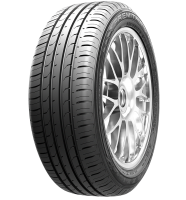
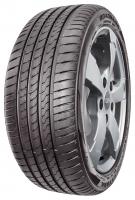
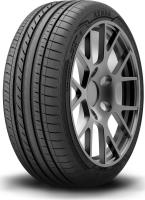
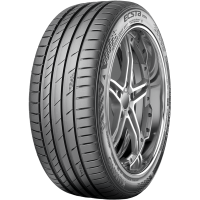
How on the Earth the Michelin Pilot Sport 4 is the best in comfort?!
I always find is very comfortable for its class.
Driving exactly the Bridgestone Turanza T005 mentioned in the test. This was my first summer (right now my car has the 16" Dunlop Winter Sport 5 equipped).
So long they have been very efficient (my Fiat has a 6.7 l/100km gasoline usage) compared to the Micheline Premacy 3 it's about 1.2l less every 100km and I manage to drive about 800km with a full tank, which used to be a lot less (~100km difference).
The tyre is a bit noisy, but it's not relevant, I only hear the difference, while driving through a tunnel close to the wall and with my windows opened.
For me with an FF car the wet performance is more relevant and this tyre gives me all I want.
To explain it in short: while I'm driving a street car and not racing, I do not drive close to the limit on a dry surface, but when the road ahead is wet and the conditions change randomly, my cars limit is blurry, so I want a reliable tyre to drive on.
After one season the tyres are down to 5mm (front) and 6mm (rear), which is ok for a summer tyre.
Great information, feel free to put it on the site here :) https://www.tyrereviews.co....
"If you average the dry braking and dry handling results, the Michelin
Pilot Sport 4 is the best dry weather tyre overall, with a huge gap
during the dry braking testing."
Hmmm let me see, the best 34.2, the worst 37.1, that is about an 8% difference for dry braking for the two extremes, and no indication of error bars for accumulated different tests, or were they done once only ? Worse still, for dry handling, that is 115.3 worst versus 118.0 best, and is less than a 2.5% difference between so-called extremes. The graphs and conclusions are grossly misleading.
For dry braking as a test, 8% is huge. It's usually a very close test.
I have a set of the yokohama V701 Fleva's on my 2015 Golf GTD, Fantastic tire! if you ignorantly power everywhere... of course no grip but that will be the case with every tire! i find if i attack a corner properly and maintain load on the tires, they have tons and tons of grip. wet grip is a good, but obviously don't drive the car the same in the dry as you do in the wet. these tires are also very quiet and seem to be wearing very well at the moment, iv'e had mine on for 6 months now.
Ill definitely be buying more of these tires!
After reading couple of articles about these tyres, it is a bit unclear to me whatever the Michelin Pilot Sport 4 are valid/approved tyres for a BMW F10 530xd 2014 model.
Can anyone confirm this for me?
Thanks.
As the PS4 came out after 2014 it's unlikely they will have specifically marque approved this tyre for that vehicle, however there's no reason you can't still fit them.
What is your experience with these test in terms - how applicable these would be to different wheel size/width or even load/speed index for tyre of the same model and make?
Could you possibly make a video, or an article about the above + few more things?
- load index - how would that translate in your view into handling/comfort (assuming you can have exactly the one car manufacturer requires for the vehicle model, or say way higher than needed index)
- speed index - similar to above? How the construction of the tyre changes? is it heavier/better balanced etc?
- thread width - this is something that is not mentioned anywhere, but the actuall thread width is influencing the contact patch with the ground.. yet, same width from different manufacturers differs for that, and it's not even same for different sized of the same tyre model!! so 235/45 can have different thread with than 235/35 and so on.. (the only site where I saw this measured was www.tirerack.com, but those are US market tyres, most differ to what we can get in europe...)
- tyre pressure - what it can influence and how you can "balance" the car by changing the front/back pressure
Would really like to see something like that and learn more.
Thanks, appreciate the great work you are doing!
All good ideas, but the issue with this sort of test is what works for Tyre A in Size A won't really apply for other tyres of sizes. For example, some tyres in 91/97 load rating can be different, or some can be exactly the same tyre just with a different sidewall.
I will be doing a tyre pressure video, and I've done a tread width video, but that needs revisiting.
This page has nowhere written what it means by "comfort" if it is not a noise level.
Fulda and Dunlop which I have have similar noise levels, but different comfort. What do you mean exactly by "comfort" ? Nothing explained. You should have a glossary of terms.
This is AutoBilds version of comfort, not mine. Subjective comfort scores generally mean how much road imperfection is transmitted through to the cabin.
https://www.autobild.de/art...
I'm also surprised Maxxis didn't put the new VS5 (Victra Sport 5) in the test instead of the HP5 as that would be more comparible to the likes of the asymmetric 5 or the PS4 as a uhp tyre where as I was under the impression the HP5 was more like a primacy 4 or effecient grip touring style tyre. It's a shame as I want to see some test for that tyre as they are talking it up.
Maxxis are really pushing the HP5 at the moment thanks to some excellent internal test results.
Good internal results or not, when they released the VS5 they described it as there flagship tyre. So you would think they would like to put that tyre in a test like this unless it fails to deliver as well as the HP5 which would be strange. The HP5 compares well with other touring tyres. If Maxxis are to go in the same direction as say Hankook for example and start becoming a more premium brand then they should use their most competitive tyres.
Glad to see my Sava Intensa 2 getting in the mid field of the test with a good rating overall. So far I have found them to be very good value for money after completing 8k miles so far on the front of my Seat Exeo with 225/40/18. I would have gone for the Fulda of the two Goodyear sub brands but can't find any garages that actually stock them in England. Only seem to be able to get them delivered whereas the Sava is stocked by one major UK chain.
Both brands are difficult to find in the UK!
Hello,
I am currently looking for the best premium tyres to suit my needs for my 2015 Volvo V70 T5 (245HP front wheel drive) in the size 235/40 R18. My priorities are above all comfort (damping & noise), as well as fuel consumption. Nevertheless, the tyres should have the best possible grip on wet & dry roads to always have a safe feeling. Since I come from Germany, I sometimes drive at higher speeds, if possible ("German Auobahn").
Unfortunately the new Goodyear Eagle F1 Assymertic 5 are not yet available in size of 235/40R18. That's why I'm currently wavering between the previous GY Eagle F1 Assy3 and the Michelin Pilot Sport 4. Continental tyres are out of the question for personal reasons.
What recommondation would you give me?
Both options are perfectly safe and very close in performances, but it seems the Asym 3 might have the slight edge if comfort and noise is your priority.
Thank you very much for the quick feedback!
So you think that the relatively old Assy 3 can still compete with the PS4?
With regards to comfort and noise, yes. It might be a few % behind in other areas, there should be data on the site
Hi again,
the GY Eagle F1 Assy 5 would NOW be available in 235/40R18 as well!
What is your early opinion - will it be as comfortable as the Assy3?
Or should I take the predecessor at the moment to be on the safe side?
Having just tested the 5 compared to the 3, I can tell you it's a more comfortable tyre
Thank you for your very fast and helpful reply!!
So would you basically recommend the Assy 5 in comparison to the 3 for now?
Did you find any noticeable drawbacks in your tests?
Now I just ordered the Assy5. I'm looking forward to testing them on my car!
Thanks for all the help. :-)
Let me know how you get on :)
Kumho Ecsta PS71 225/45 r17 comes in the 94Y XL version or 91Y without reinforcement? Because there is a major difference between the two variants. 94Y XL has A Brake and C fuel consumption, and 91Y has A brake and E fuel consumption!
The 245/45 r18 XL also comes in A/C and B/C. So it's interesting to consider this aspect.
I stated that, too. Auto bild says what version they used at their site. Most of the tires were 91Y but there where 94s and Ws. Khumos were the 91Y version. Maybe the differences in label scores are because of different margins according to category.
Auto Bild also do classic tyre tests (almost uniquely). Would it be possible to include your standard test report style summaries of them on TR's menu? (The 2018 test was interesting in showing how relatively well a poor modern tyre, the Maxxis MAP-I, did in comparison to a suite of classic tyres.)
I've not seen these classic tyre tests, but would certainly summarise them if I had a copy of the article. I'll look into it!
The 2018 one was in issue #6 with tyre size 205/70-14. If you decide to doit, then a backlog of past tests (4 years of?) all at once is my advice.
Whilst I'm in suggestion mode, then please revisit summarising tests from the Australian mags Wheels, Motor & Which Car (all one stable).
Any joy on this yet?
I'll try and pick this up this year if I see any!
Thanks. The merit (for you) of you hunting is that it is a new element for the site.
Thanks for posting this review. I'm considering the Michelin Pilot Sport 4 (245/40 R18) but noise and comfort are a top priority for me. Would I be better off with a premium touring tyre instead of a high-performance one?
In that sense it seems surprising that the Continental Premium Contact 6 is not better rated for noise and comfort. What about something like the Michelin Primacy 3, would that fare better than the PS4 in terms of noise and comfort?
The issue with noise testing is this test is external noise, which is different from external noise.
This compounds with the fact every car and tyre combination behave a little differently, you shouldn't use one test to made your choice. I'd suggest finding similar cars to yours, or at least the same wheel and tyre size and seeing which tyres are rated highly
I'm quite surprised, as I have read many reports of people complaining about the poor comfort of the PS4 and giving positive feedback on comfort after switching to various equivalents.
Thanks for the great article, once again. I was wondering: we see a lot of summer (dry) tests and winter (snow/ice) tests, but even though the summer tests always include wet braking distances, etc, we never really see a test focused on rain/wet conditions.
Where I live we never get snow or Ice, so what I would like to use is a set of UUHP tyres for the summer (considering mainly semi slicks) and the best possible tyres in the wet for the winter. So even though Michelin Pilot Sport 4 got great results in the wet, I can't help but think there must be a better set of tyres for wet conditions... After all, they're made mainly for dry handling.
Any advice?
Nope, PS4 is pretty much it. It sounds like you're thinking about a rain specific tyre as they use in racing, an ultra soft compound, but as we don't have the luxury of changing tyres just for when it rains, and they have to work in the dry, they don't really exist. Uniroyal RainSport 3 used to be the rain tyre, but it's been best now. Maybe wait for the RainSport 4 ;)
Yeah, RainSport would be the kind of tyre I was thinking about. Or Nokian WetProof, featured in this test... I was baffled to see them being best by PS4 on both wet categories(!), however in the "Positive" section of the Nokian, we can read "Wet specialist with the best wet cornering, precise steering, short wet and dry braking distances, low noise." so I was a little confused by that. For an imaginary always-wet winter (hi London!), would you still go for the PS4?
Thanks a lot for your reply, by the way!
Depending on the vehicle and what you wanted from the tyre, the PS4 is great. If it's not a sporty car, something more touring orientated like the RainProof is also a good option, or anything inbetween!
Alright thanks for everything! Will probably go for the PS4 ;)
I'm surprised with the good wear results of the Michelin Pilot Sport 4.
I've always considered its purchase but was discouraged by several comments in forums about its very quick wear.
Maybe the wear varies depending on size and/or load and speed rate?
The tyre wear depends on many parameters, including the vehicle used for the test. in fact, the kinematics of the suspension/load/tire pressures have a big influence on tyre wear (+driving style).
So it's difficult to get an objective answer on forums, that's why these tyre tests are very useful with only one car/driver etc. It's even more interesting if the review is done with several tyre sizes.
By the way, the Michelin looks excellent and I can't wait to purchase them !
PS4 are great. Michelin is best option for summer tyre.
Michelin usually lead the way with wear, so the reports of low mileage on the PS4 was more a surprise than this to me. As Ben says, wear depends on many factors, but these highly controlled tests are usually the best market indicator.
I'm curious how the mag estimates tyre life? Surely they don't run each tyre on identical cars on the road for the life of each tyre? Or do they run for a set period, measure tread depth compared to when new, then calculate likely life?
Exactly that, which is why it's so expensive and so few people do it. They usually run convoys on the road for 15,000 miles rotating the drivers and position of cars in the convoy and then extrapolate the total wear from the starting and remaining tread depth.