Following on from the 195/65 R15 winter tyre test, the excellent German publication Auto Bild have tested ten UHP winter tyres in 245/45 R18.
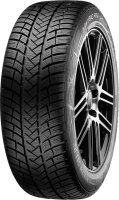
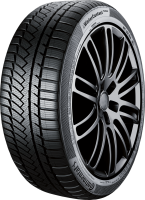
The biggest shock in the test is the winner - it's the brand new Vredestein WinTrac Pro. This new tyre from Vredestein proved to have Continental like qualities, displacing the Continental WinterContact TS850 P from it's usual top spot and performing well in the dry, wet and snow tests. The Continental WinterContact TS850 Pl, which has now been replaced by the Continental WinterContact TS860 S, proved that it's still a quality option and finished a very close second place.
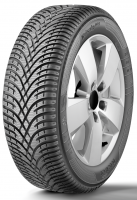
The best of the rest was the Kleber Krisalp HP3. This Michelin owned brand have a good winter tyre reputation, and might explain why Michelin themselves weren't included in this test.
As always, details below, and be sure to check out the excellent Auto Bild website.
Dry
In the dry, all the winter tyres lagged behind the reference summer tyre. The Pirelli Winter Sottozero 3 proved it was best of the test and won dry braking, with the new Vredestein Wintrac Pro a close second.
- Reference Summer
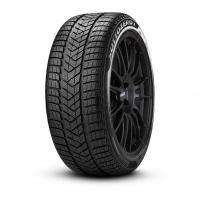
- Pirelli Winter Sottozero 3
- Vredestein Wintrac Pro
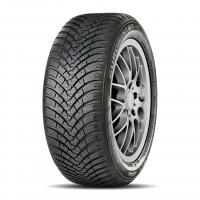
- Falken Eurowinter HS01
- Kleber Krisalp HP3
- Continental WinterContact TS 850 P
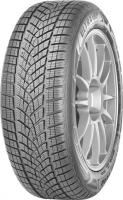
- Goodyear UltraGrip Performance Gen
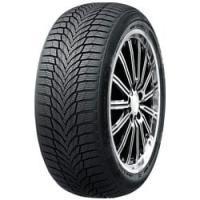
- Nexen WinGuard Sport 2
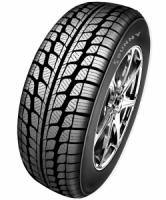
- Sunny SN3830
- Dunlop Winter Sport 5
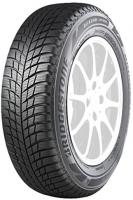
- Bridgestone Blizzak LM001
The Pirelli and Vredestein once again performed well during the dry handling tests, but this time the Nexen WinGuard Sport just beat them to the top spot.
- Reference Summer
- Nexen WinGuard Sport 2
- Pirelli Winter Sottozero 3
- Vredestein Wintrac Pro
- Continental WinterContact TS 850 P
- Falken Eurowinter HS01
- Dunlop Winter Sport 5
- Sunny SN3830
- Bridgestone Blizzak LM001
- Kleber Krisalp HP3
- Goodyear UltraGrip Performance Gen
Wet
The key wet braking test had a new winner, with the Continental WinterContact TS850 S the only tyre to get close to the summer tyre. Vredestein again proved to be strong, taking second place, and Goodyear placed third with the UltraGrip Performance Gen-1. The Pirelli which proved to be so strong in the dry could only manage eighth place overall. The budget Sunny Snowmaster SN3830 had dangerously long wet braking.
- Reference Summer
- Continental WinterContact TS 850 P
- Vredestein Wintrac Pro
- Goodyear UltraGrip Performance Gen
- Falken Eurowinter HS01
- Kleber Krisalp HP3
- Dunlop Winter Sport 5
- Bridgestone Blizzak LM001
- Pirelli Winter Sottozero 3
- Nexen WinGuard Sport 2
- Sunny SN3830
Wet handling was the first test the summer tyre did not win, with the Vredestein, Continental, and Goodyear proving once again they have excellent wet performance.
- Vredestein Wintrac Pro
- Continental WinterContact TS 850 P
- Goodyear UltraGrip Performance Gen
- Dunlop Winter Sport 5
- Bridgestone Blizzak LM001
- Kleber Krisalp HP3
- Reference Summer
- Falken Eurowinter HS01
- Pirelli Winter Sottozero 3
- Nexen WinGuard Sport 2
- Sunny SN3830
- Reference Summer
- Bridgestone Blizzak LM001
- Pirelli Winter Sottozero 3
- Kleber Krisalp HP3
- Goodyear UltraGrip Performance Gen
- Falken Eurowinter HS01
- Continental WinterContact TS 850 P
- Vredestein Wintrac Pro
- Dunlop Winter Sport 5
- Nexen WinGuard Sport 2
- Sunny SN3830
Snow
The Dunlop Winter Sport 5 proved to be the best tyre overall in the snow testing, winning the snow braking and placing third in snow handling. The Vredestein and Continental again displayed their excellent all-round qualities by continuing their run of excellent results.
- Dunlop Winter Sport 5
- Kleber Krisalp HP3
- Nexen WinGuard Sport 2
- Vredestein Wintrac Pro
- Continental WinterContact TS 850 P
- Goodyear UltraGrip Performance Gen
- Falken Eurowinter HS01
- Bridgestone Blizzak LM001
- Pirelli Winter Sottozero 3
- Sunny SN3830
- Reference Summer
- Kleber Krisalp HP3
- Dunlop Winter Sport 5
- Vredestein Wintrac Pro
- Continental WinterContact TS 850 P
- Goodyear UltraGrip Performance Gen
- Bridgestone Blizzak LM001
- Nexen WinGuard Sport 2
- Falken Eurowinter HS01
- Pirelli Winter Sottozero 3
- Sunny SN3830
- Reference Summer
Environment
While the Pirelli struggled in the wet, it aced the rolling resistance test, using the least fuel of the group.
The Nexen proved to be the quietest tyre on test.
- Nexen WinGuard Sport 2
- Kleber Krisalp HP3
- Vredestein Wintrac Pro
- Pirelli Winter Sottozero 3
- Bridgestone Blizzak LM001
- Continental WinterContact TS 850 P
- Reference Summer
- Goodyear UltraGrip Performance Gen
- Dunlop Winter Sport 5
- Sunny SN3830
- Falken Eurowinter HS01
And the budget Sunny was significantly cheaper than the other tyres, but still not recommended overall due to dangerous wet braking results.
- Sunny SN3830
- Nexen WinGuard Sport 2
- Falken Eurowinter HS01
- Kleber Krisalp HP3
- Bridgestone Blizzak LM001
- Goodyear UltraGrip Performance Gen
- Vredestein Wintrac Pro
- Dunlop Winter Sport 5
- Pirelli Winter Sottozero 3
- Continental WinterContact TS 850 P
Results
Excellent driving characteristics on wet and snow covered roads. Dynamic balanced handling, precise steering, short braking distances and pleasant quiet ride. Test winner.
High price.
Total: 72
Dry
11
Wet
12
Snow
13
Comfort
12
Rolling Resistance
11
Noise
13
Balanced winter tyre with excellent grip in the snow, and good handling in the wet and dry. Particularly dynamic steering and short braking distances in the wet.
High price.
Total: 71
Dry
11
Wet
12
Snow
12
Comfort
12
Rolling Resistance
11
Noise
13
Best performance on snow and ice, precise steering, good aquaplaning result, good comfort, low price.
Slightly weak wet handling.
Total: 68
Dry
10
Wet
11
Snow
14
Comfort
10
Rolling Resistance
10
Noise
13
Excellent in snow and ice, with a balanced performance in the wet and dry too. Good steering speed and feedback, very low fuel use.
Slightly long dry braking, average aquaplaning.
Total: 68
Dry
10
Wet
11
Snow
13
Comfort
10
Rolling Resistance
13
Noise
11
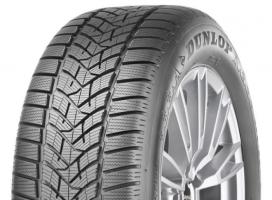
Premium tyres with excellent performance in the snow and wet.
Average dry grip and dry braking.
Total: 69
Dry
10
Wet
12
Snow
12
Comfort
11
Rolling Resistance
12
Noise
12
Good in the snow and wet, low noise.
Long dry braking, high rolling resistance.
Total: 65
Dry
10
Wet
11
Snow
12
Comfort
10
Rolling Resistance
9
Noise
13
Good snow traction and braking, good aquaplaning, good dry handling.
Average snow cornering, long wet braking.
Total: 70
Dry
11
Wet
10
Snow
11
Comfort
12
Rolling Resistance
13
Noise
13
Good snow and wet braking, good comfort, well priced.
Slightly noisy, high rolling resistance.
Total: 62
Dry
11
Wet
11
Snow
11
Comfort
12
Rolling Resistance
8
Noise
9
Balanced handling in the snow with short snow braking, low noise.
Average aquaplaning, long wet braking, high rolling resistance.
Total: 64
Dry
11
Wet
9
Snow
11
Comfort
11
Rolling Resistance
8
Noise
14
Good comfort, fuel efficient, low price.
Extremely poor wet grip and long wet braking distances.
Total: 56
Dry
10
Wet
3
Snow
8
Comfort
12
Rolling Resistance
13
Noise
10

Hi,
I’ve a Land Rover discovery 4 and I’m not sure I understand well which is the best tyre.
Watching your video it seems that the best choice (after vredestein) should be continental ContiWinter 860S but reading the continental brochure and this article the 850p seems better.
Please advise, thanks you
The 860S replaced the 850P so in theory is the better tyre. It wasn't in this test as the 860 S isn't made in this size.
I've been doing a lot of reading on Winter and All Season tyres...and one thing is still worrying / puzzling me.
The manufacturers and various safety groups all say that Winter tyres are better in cold conditions than Summer tyres, in all disciplines - including dry and wet braking.
I can see that Winter and All Season rubber seem to do well in aquaplaning tests, but are almost always beaten by reference summer tyres in wet and dry braking.
Do the major tests (such as Autobild) carry out the wet and dry tests in cold weather, or just the snow and ice disciplines?
The recent Auto Express Winter tyre test admits that they wanted to do their dry and wet tests under 7 degrees C, which I understand is the industry accepted cutoff point for Summer / Winter rubber. Unfortunately they weren't able to do this, as it was too warm at the test track. For me, this completely invalidates the test results as the tyres were not tested and compared in the correct operating environment.
So - are Winter tyres tested against Summer tyres in all disciplines in winter conditions (ie: below 7 degrees C)? If not, it seems we have a ton of data but aren't comparing apples to apples.
FYI I am planning a road trip to Eastern Europe in December, crossing Germany and on through Poland. I'll legally need Winter tyres for the German leg, and the weather in Poland and further East will be on average 0-3 degrees and possibly minus in the daytime and coder at night. However, the first few legs (ie: UK, France, Belgium, etc) will probably be around 5-10 degrees, so I am worried about bad wet weather performance from a Winter tyre in those conditions.
Because of this I am considering the Michelin CrossClimate Plus for my wheel size (245/45/17). Or, if a "full" Winter tyre would be better, the Dunlop Winter Sport 5, as the Vredestein and Conti aren't available in my size and the Kleber need to be imported.
I can't seem to find out the climate at which Autobild do their wet and dry testing, but I suspect it isn't in a controlled temperature environment, given the location of the test track.
Can you help?
Thanks!
P.S Absolutely LOVE the site, please keep up the great work!!!
The issue with trying to plan tests in colder conditions is as it gets colder, you have more chance of rain, so your tests get rained off (you can't have it raining for wet testing as the water levels are inconsistent)
That said, I've seen plenty of tests where winter / all season tyres are close enough / in the mix with the summer tyres during wet braking, and it doesn't matter what the temperature is in the dry, a summer will always outperform a siped tyre, so I wouldn't worry too much about crossing Germany, most people will be on similar winter tyres anyway.
Ahh that makes sense regarding the cold weather wet/dry braking testing and sipes - thanks for the info and the speedy response!
After some research it looks like you can in fact get the Kleber Krisalp HP3 in the UK at very keen prices, but I'm still on the fence between that and the Dunlop Winter Sport 5 (just because it is a more well-known brand to me).
I'm also seriously considering the Michelin CrossClimate Plus (all-season), depending on how horrific the conditions are East of Germany. I would rather have a "proper" Winter tyre if temps are going to be consistently around 0 and under, as I think they will perform better than an all-season.
The weather in the South of England looks like continuing to be a mixed bag of cold and mild temps (ie: 0 to 15 degrees) right up to the end of December, so I think I will keep an eye on the long range forecast for Europe and make a decision just before we set out.
Although we'll be sticking to major roads which should be fully gritted, etc, safety is my #1 priority.
Do you think this is a reasonable approach?
Fully reasonable. If you're staying in the UK, the CrossClimate is an excellent choice, so the decision comes down to the German climate which I'm not familiar with :)
I'm on the market for a set of 4 new winter tyres for my dad's Mazda 6 (225/45 R19).
As it's a very expesive size, price and wear are important.
The best deals I could find:
Goodyear UltraGrip Performance Gen-1: € 189
Vredestein Wintrac Pro: € 184
The Vredestein won this Auto Bild test, but the Goodyear has been getting consistently good reviews for the last 4 years.
Which one would you recommend? Should I go for the better known Goodyear or bet on the new Vredestein?
Do you expect more Vredestein reviews beign published soon?
VERY good question! I've just shot the winter tyre recommendation videos and I recommend both of those tyres. Which would I pick? Personally I'd probably try the Vredestein but that's just because it's new to me and the newer tyre. The Goodyear is incredible and proven time and time again, so in short you'll be happy with either.
I feel like the Vred will be more sporty where as the Goodyear will have better NVH, if that helps your choice.
Thanks a lot for your fast answer.
I don't think he is looking for the sporty feel. He would appreciate more a relaxed and confortable ride, so maybe Goodyear is the best choice.
Now that you mention noise, it's funny how Autobild measurement differs from the EU label:
245/45/18:
Vredestein: 71,5 dB (Autobild) / 72 dB (EU label)
Goodyear: 72,7 dB (Autobild) / 71 dB (EU label)
In the size I'm looking at, Goodyear EU label shows 70 dB, while Vredestein still 72 dB, so I expect Goodyear to be quieter in that size.
PS: I'm looking forward to see that new winter tyre recommendation video. Keep up with the good work you are doing!
The other option is of course the Continental WinterContact TS850 P. You can't really go wrong with any of them!
And how choose between the 850P and the Wintrac Pro? Is there any difference coming from the different patterns (asymmetrical for the Conti and directional for the Vredestein)?
The test seem to show that their performances are quite similar otherwise.
Exactly, they seem very similar. The Conti is proven time and time again, I'd like to see the Vred in a few more tests to confirm it's brilliance.
In your experience, is there any difference between the asymmetrical and directional patterns?
Generally the asymmetric winter tyres are worse in snow, but can be better in the dry. There is more variation brand to brand though.