In this tyre test we take nine of the best performance winter tyres in the popular 225/40 R18 size and test them in the dry, wet and of course snow to see what the best winter tyre is for the 2021/22 autumn and winter.
Testing Methodology
Test Driver
Jonathan Benson
Tyre Size
225/40 R18
Test Location
Professional Proving Ground
Test Year
2021
Tyres Tested
10
Show full testing methodologyHide methodology
Every tyre is tested using calibrated instrumented measurement and structured subjective assessment. Reference tyres are retested throughout each session to correct for changing conditions, ensuring fair, repeatable comparisons. Multiple reference sets are used where needed so that control tyre wear does not affect accuracy.
We use professional-grade testing equipment including GPS data loggers, accelerometers, and calibrated microphones. All tyres are broken in and conditioned before testing begins. For full details on our equipment, preparation process, and calibration procedures, see our complete testing methodology.
Categories Tested
Dry Braking
For dry braking, I drive the test vehicle at an entry speed of 110 km/h and apply full braking effort to a standstill with ABS active on clean, dry asphalt. I typically use an 100–5 km/h measurement window. My standard programme is five runs per tyre set where possible, although the sequence can extend to as many as fifteen runs if conditions and tyre category justify it. I analyse the full set of runs and discard statistical outliers before averaging. Reference tyres are run repeatedly throughout the session to correct for changing conditions.
Dry Handling
For dry handling, I drive at the limit of adhesion around a dedicated handling circuit with ESC disabled where possible so I can assess the tyre's natural balance, transient response, and limit behaviour without electronic intervention masking the result. I usually complete between two and five timed laps per tyre set, depending on the circuit, tyre type, and consistency of conditions. I exclude laps affected by clear driver error or obvious environmental inconsistency. Control runs are carried out frequently throughout the session, and I often use multiple sets of control tyres so that wear on the references does not become a meaningful variable. For more track-focused products, I also do endurance testing, which is a set number of laps at race pace to determine tire wear patterns and heat resistance over longer driving.
Wet Braking
For wet braking, I drive the test vehicle at an entry speed of 88 km/h and apply full braking effort to a standstill with ABS active on an asphalt surface with a controlled water film. I typically use an 80–5 km/h measurement window to isolate tyre performance from variability in the initial brake application. My standard programme is eight runs per tyre set where possible, although the sequence can extend to as many as fifteen runs if conditions and tyre category justify it. I analyse the full set of runs and discard statistical outliers before averaging. To correct for changing conditions, I run reference tyres repeatedly throughout the session — in wet testing, typically every three candidate test sets.
Wet Handling
For wet handling, I drive at the limit of adhesion around a dedicated handling circuit. I generally use specialist wet circuits with kerb-watering systems designed to maintain a consistent surface condition. ESC is disabled where possible so I can assess the tyre's natural balance, transient response, and limit behaviour without electronic intervention masking the result. I usually complete between two and five timed laps per tyre set, depending on the circuit, tyre type, and consistency of conditions. I exclude laps affected by clear driver error or obvious environmental inconsistency. Control runs are carried out frequently throughout the session, and I often use multiple sets of control tyres so that wear on the references does not become a meaningful variable.
Straight Aqua
To measure straight-line aquaplaning resistance, I drive one side of the vehicle through a water trough of controlled depth, typically around 7 mm, while the opposite side remains on dry pavement. I enter at a fixed speed and then accelerate progressively. I define aquaplaning onset as the point at which the wheel travelling through the water exceeds a specified slip threshold relative to the dry-side reference wheel. I usually perform four runs per tyre set and average the valid results.
Curved Aquaplaning
For curved aquaplaning, I use a circular track, typically around 100 metres in diameter, with a flooded arc of controlled water depth, usually about 7 mm. The vehicle is instrumented with GPS telemetry and a tri-axial accelerometer. I drive through the flooded section at progressively increasing speed, typically in 5 km/h increments, and record the minimum sustained lateral acceleration at each step. The test continues until lateral acceleration collapses, indicating complete aquaplaning. The result is expressed as remaining lateral acceleration in m/s² as speed rises.
Snow Braking
For snow braking, I drive the test vehicle at an entry speed of 50 km/h and apply full braking effort to a standstill with ABS active on a groomed, compacted snow surface, measuring 45-5 km/h. I generally use a wide VDA (vehicle dynamic area) and progressively move across the surface between runs so that no tyre ever brakes on the same piece of snow twice. My standard programme is twelve runs per tyre set, although the sequence can extend further if the data justify it. I analyse the full set of runs and discard statistical outliers before averaging. The surface is regularly groomed throughout the session. To correct for changing snow surface conditions, I run reference tyres repeatedly — typically every two candidate test sets.
Snow Traction
For snow traction, I accelerate the vehicle from rest on a groomed snow surface with traction control active and measure speed and time using GPS telemetry. I typically use a 5–35 km/h measurement window to reduce the influence of launch transients and powertrain irregularities. I use a wide VDA (vehicle dynamic area) and progressively move across the surface between runs so that no tyre ever accelerates on the same piece of snow twice. The surface is regularly groomed throughout the session. I complete multiple runs per tyre set and average the valid results. Reference tyres are run typically every two candidate test sets to correct for changing snow surface conditions.
Snow Handling
For snow handling, I drive at the limit of adhesion around a dedicated snow handling circuit with ESC disabled where possible. The circuit is groomed and prepared after every run while tyres are being changed, so each set runs on a consistently prepared surface. I usually complete between two and five timed laps per tyre set, excluding laps affected by clear driver error or obvious environmental inconsistency. Because snow surfaces degrade more rapidly than asphalt, control runs are carried out more frequently — typically every two candidate test sets.
Snow Circle
For snow lateral grip testing, I use a circular snow track of fixed radius, broadly aligned with ISO 4138 principles. The surface is regularly groomed throughout the session. I progressively increase speed until the maximum sustainable cornering speed is reached. I normally record multiple laps in both clockwise and counterclockwise directions to reduce the influence of surface bias. Because snow surfaces degrade more rapidly, the control tyre is retested at regular intervals and I often use multiple sets of control tyres.
Subj. Comfort
To assess comfort, I drive on a wide range of road surfaces (often dedicated comfort tracks at test facilities) at speeds from 50 to 120 km/h, including smooth motorway, coarse surfaces, expansion joints, broken pavement, and sharp-edged obstacles. I evaluate primary ride quality, secondary ride quality, impact harshness, seat-transmitted vibration, and the tyre's ability to absorb sharp inputs. Ratings are assigned on a 1–10 scale relative to the reference tyre.
Noise
I measure external pass-by noise in accordance with UNECE Regulation 117 and ISO 13325 using the coast-by method on a compliant test surface. Calibrated microphones are positioned beside the test lane, and the vehicle coasts through the measurement zone under controlled conditions. I record the maximum A-weighted sound pressure level in dB(A), complete multiple runs over the relevant speed range, and normalise the result to the reference speed required by the procedure.
Rolling Resistance
Rolling resistance is measured under controlled laboratory conditions in accordance with ISO 28580 and UNECE Regulation 117 Annex 6. The tyre is mounted on a test wheel and loaded against a large-diameter steel drum. After thermal stabilisation at the prescribed test speed, rolling resistance force is measured at the spindle and corrected according to the relevant procedure. The result is expressed as rolling resistance coefficient, typically in kg/tonne.
How each category is weighted in the overall score:
Dry20%
Dry Braking55%
Dry Handling40%
Subj. Dry Handling5%
Wet35%
Wet Braking50%
Wet Handling25%
Subj. Wet Handling5%
Straight Aqua10%
Curved Aquaplaning10%
Snow30%
Snow Braking45%
Snow Traction10%
Snow Handling30%
Snow Circle10%
Comfort5%
Subj. Comfort50%
Subj. Noise50%
Value10%
Rolling Resistance100%
As always, we're testing some of the best central european / milder climate winter tyres on the market, and have a summer tyre as a reference tire so you can see the difference between winter and summer tires in the dry, wet and snow.
These are not nordic / extreme winter tires as found in the northern parts of North America, there will be a seperate test for these in the future.
225/40 R18 is a popular winter tyre size for vehicles such as the Audi A3 / A4, VW Golf GTI / R, BMW 1 Series and 3 Series, and many other vehicles with this wheel size.
Dry
Testing at 3c, the slowest around the dry handling lap were the Dunlop and Goodyear pairing, both exactly 1.21 seconds, or 2.5% off the fastest lap. Both tyres felt controllable, predictable and nice to drive on, but ultimately both lacking grip in these cool dry conditions.
Next up was the Hankook and GT Radial, both around a second off the best time. The Hankook was one of the softer feeling tyres around the dry handling, it didn't feel super precise and didn't appreciate being pushed laterally but it did feel great on the brakes, whereas the GT felt like it had some good traction out of the corners, but would lose some time mid apex.
Fifth, fourth and third was Bridgestone, Continental and Nokian. They all seemed to have similar levels of grip across the lap, however the Nokian was the nicest to drive quickly, offering a nice rounded grip circle and predictable handling.
Second place was the Imperial budget tyre. It didn't feel that good on the brakes, but cornering it felt like the best tyre here. Almost as if it's a summer compound that they've stuck some sipes in. Watch this space to see how that develops.
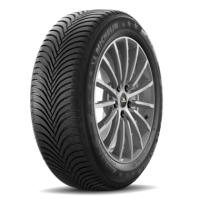
Finally, the fastest tyre of the group, nearly matching the summer tyres lap time, was the Michelin Pilot Alpin 5. This tyre wasn't the most fun to drive, probably sitting 3rd or 4th subjectively, but it had lots of grip both laterally and on the brakes.
As for the summer tyre, well, that was the fastest, and the most fun to drive, and the quickest to steer, and the most direct on brakes, everything you'd expect from a summer tyre, but at the 3c test temperature, it didn't have a huge advantage. Summer tyres usually lead in the dry at any temperature.
Dry Braking
Spread: 6.30 M (18%)|Avg: 39.51 M
Dry braking in meters (100 - 5 km/h) (Lower is better)
Dry Braking: Safety Impact: Best vs Worst Tyre
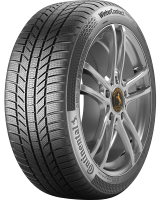
Dry braking was again led by the Michelin Pilot Alpin 5, with over a meter gap to the second placed Hankook Winter Icept evo 3, and Continental placed third with the new WinterContact TS870P. The summer tyre just edged out the winters at the cool 3c temperatures.
Dry Handling
Spread: 1.31 s (2.9%)|Avg: 45.46 s
Dry handling time in seconds (Lower is better)
Reference Summer
44.70 s
Michelin Pilot Alpin 5
44.80 s
Imperial Snowdragon UHP
45.10 s
Nokian Snowproof P
45.31 s
Continental WinterContact TS 870 P
45.51 s
Bridgestone Blizzak LM005
45.61 s
GT Radial WinterPro2 Sport
45.71 s
Hankook Winter i cept evo3
45.81 s
Dunlop Winter Sport 5
46.01 s
Goodyear UltraGrip Performance Plu
46.01 s
Wet
Like the dry, we tested at 2.5c to 3c in the wet, and like in dry, the group overall was very close.
Unable to repeat the surprise performance in the dry, the Imperial had the lowest levels of grip by far, it was over 10% behind the best, and if that doesn't sound much in your head, it really is when you're driving on it. Even though the grip circle felt rounded, it was rounded with no grip as you were constantly waiting on grip in all directions, you seemed to be sliding constantly, and you felt more like a passenger. Not recommended.
The next group of tyres consisted of Nokian, GT Radial and Dunlop. They were around 5%, or 2 seconds of the best, and all three sets of tyres just felt lower in grip than the fastest in the group. The Nokian and Dunlop both had a hint of oversteer in their balance, which made the car feel more playful, but ultimately cost time when combined with the limited traction, whereas the GT Radial needed to be driven in a really neat manner to make a quick lap.
Getting nearer the sharp end were the Continental, Michelin, and Goodyear, all around 1.5% off the best, or less then a second! The Continental felt like it had a very safe understeer balance with good lateral grip, but lost out a little in traction, and overall it just felt a little numb. The Michelin improved the steering feel a little, but again seemed to be a little traction limited, where the Goodyear was an easy tyre to drive quickly, giving more confidence than previous tyres and a neutral balance with just a hint over understeer.
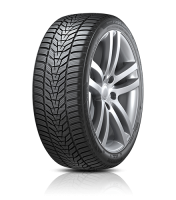
While Hankook was only a few tenths on, I've separated it because it was my favorite subjectively being really lovely to drive and feeling like it had excellent grip in all directions. It just worked really well with the Golf 8, almost like it was an OE tyre and the lap time reflected that.
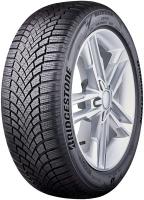
The Bridgestone Blizzak LM05 was over half a second faster than any other tyre! When testing blind, I've no idea what tyre I'm driving on, but when I'm making my notes in the car I like to try and guess which tyre is which, and after running wet braking, the Bridgestone was obvious. The tyre has grip, and lots of it. HOWEVER, it didn't feel that sporty, which meant I definitely found the Hankook and Michelin way more enjoyable to drive the lap on, which is an interesting tradeoff. Best grip, vs most fun. That's why I give you this data, so you can pick.
The summer tyre struggled at the cooler temperatures, it felt like it was sitting on the road rather than keying into it and it was a constant fight to get the car around the lap.
Wet Braking
Spread: 10.11 M (36.2%)|Avg: 30.96 M
Wet braking in meters (80 - 5 km/h) (Lower is better)
Wet Braking: Safety Impact: Best vs Worst Tyre
The Bridgestone LM005s wet advantage continued in wet braking, with nearly 1.5 meters advantage to the second placed Continental. Hankook again placed well, nearly tying with the summer tyre which fared better in wet braking than in handling. The budget winter tyre stopped over TEN meters behind the bridgestone, which is a huge gap and could easily be the difference between stopping and a crash.
Wet Handling
Spread: 5.51 s (11.2%)|Avg: 50.76 s
Wet handling time in seconds (Lower is better)
Bridgestone Blizzak LM005
49.09 s
Hankook Winter i cept evo3
49.70 s
Goodyear UltraGrip Performance Plu
49.76 s
Michelin Pilot Alpin 5
49.80 s
Continental WinterContact TS 870 P
49.94 s
Dunlop Winter Sport 5
50.72 s
Nokian Snowproof P
51.31 s
GT Radial WinterPro2 Sport
51.31 s
Reference Summer
51.39 s
Imperial Snowdragon UHP
54.60 s
There were some interesting differences between straight and curved aquaplaning, but on average the Continental, Goodyear and Hankook performed the best across both tests.
Straight Aqua
Spread: 10.20 Km/H (12.3%)|Avg: 78.36 Km/H
Float Speed in Km/H (Higher is better)
Michelin Pilot Alpin 5
83.10 Km/H
Continental WinterContact TS 870 P
80.80 Km/H
Goodyear UltraGrip Performance Plu
80.30 Km/H
Dunlop Winter Sport 5
79.70 Km/H
Hankook Winter i cept evo3
79.70 Km/H
Bridgestone Blizzak LM005
79.40 Km/H
Imperial Snowdragon UHP
76.20 Km/H
GT Radial WinterPro2 Sport
76.10 Km/H
Nokian Snowproof P
75.40 Km/H
Reference Summer
72.90 Km/H
Curved Aquaplaning
Spread: 8.60 m/sec2 (10.1%)|Avg: 82.21 m/sec2
Remaining lateral acceleration (Higher is better)
Bridgestone Blizzak LM005
85.10 m/sec2
Goodyear UltraGrip Performance Plu
84.50 m/sec2
Hankook Winter i cept evo3
84.40 m/sec2
Reference Summer
84.30 m/sec2
Continental WinterContact TS 870 P
83.90 m/sec2
Dunlop Winter Sport 5
83.40 m/sec2
GT Radial WinterPro2 Sport
81.20 m/sec2
Michelin Pilot Alpin 5
80.80 m/sec2
Imperial Snowdragon UHP
78.00 m/sec2
Nokian Snowproof P
76.50 m/sec2
Snow
As with the all season test, I was unable to travel to Nokian tyres impressive winter testing facility due to travel restrictions, so instead hired a finnish independant test driver to perform the snow testing.
Snow traction was led by the Michelin Pilot Alpin 5, with the Goodyear UltraGrip Performance+ in second and Hankook Winter i*cept evo 3 in third.
Snow Traction
Spread: 18.87 s (358.7%)|Avg: 7.33 s
Snow acceleration time (5 - 40 km/h) (Lower is better)
Michelin Pilot Alpin 5
5.26 s
Goodyear UltraGrip Performance Plu
5.30 s
Hankook Winter i cept evo3
5.38 s
Dunlop Winter Sport 5
5.39 s
Continental WinterContact TS 870 P
5.48 s
GT Radial WinterPro2 Sport
5.52 s
Nokian Snowproof P
5.55 s
Bridgestone Blizzak LM005
5.59 s
Imperial Snowdragon UHP
5.65 s
Reference Summer
24.13 s
Snow braking was again led by the Michelin Pilot Alpin 5, this time with the Nokian SnowProof P and Continental WinterContact TS870P in second and third places, which also closely matched snow circle results.
Snow Braking
Spread: 32.69 M (208.6%)|Avg: 19.50 M
Snow braking in meters (40 - 5 km/h) (Lower is better)
Snow Braking: Safety Impact: Best vs Worst Tyre
Snow Circle
Spread: 19.76 S (58.1%)|Avg: 37.05 S
Snow Circle Time in Seconds (Lower is better)
Michelin Pilot Alpin 5
33.99 S
Nokian Snowproof P
34.40 S
Hankook Winter i cept evo3
34.69 S
Continental WinterContact TS 870 P
34.76 S
Goodyear UltraGrip Performance Plu
34.78 S
Bridgestone Blizzak LM005
35.88 S
Dunlop Winter Sport 5
35.92 S
Imperial Snowdragon UHP
36.06 S
GT Radial WinterPro2 Sport
36.30 S
Reference Summer
53.75 S
Snow handling rounded out the incredible Michelin performance with the French tyre again proving best in the important snow handling test, which makes it a flawless snow result for the Pilot Alpin 5. The tester said the Michelin had "Excellent overall grip level, Best balance between front and rear and steers effectively even though rear doesn’t slip much. Feels like Nordic winter tyre."
Goodyear placed second across the snow handling lap, 1.5% behind the michelin and described as having good balance with good front axle grip at all steering angles. The tyre oversteers a bit which helps turning.
Third place went to the consistent Hankook, which like the goodyear had excellent front axle grip at big steering angles and a stable rear axle, and the fourth place continental had a sharp front end and resisted oversteer very well.
As with the all season test, the summer tyre could barely make it to the circuit.
Snow Handling
Spread: 89.10 s (103.4%)|Avg: 98.05 s
Snow handling time in seconds (Lower is better)
Michelin Pilot Alpin 5
86.20 s
Goodyear UltraGrip Performance Plu
87.54 s
Hankook Winter i cept evo3
87.95 s
Continental WinterContact TS 870 P
88.22 s
Dunlop Winter Sport 5
89.18 s
Nokian Snowproof P
90.10 s
Bridgestone Blizzak LM005
90.56 s
Imperial Snowdragon UHP
92.65 s
GT Radial WinterPro2 Sport
92.81 s
Reference Summer
175.30 s
Environment
The Nokian Snowproof P had the lowest noise on test, with the impressive Michelin and Continental also performing well.
Noise
Spread: 4.60 dB (6.7%)|Avg: 70.71 dB
External noise in dB (Lower is better)
Nokian Snowproof P
68.60 dB
Michelin Pilot Alpin 5
69.40 dB
Continental WinterContact TS 870 P
69.80 dB
Imperial Snowdragon UHP
70.20 dB
Bridgestone Blizzak LM005
70.50 dB
GT Radial WinterPro2 Sport
70.60 dB
Dunlop Winter Sport 5
71.20 dB
Reference Summer
71.50 dB
Goodyear UltraGrip Performance Plu
72.10 dB
Hankook Winter i cept evo3
73.20 dB
The Dunlop, Goodyear and Continental led the way in subjective comfort.
Subj. Comfort
Spread: 2.50 Points (25%)|Avg: 8.93 Points
Subjective Comfort Score (Higher is better)
Dunlop Winter Sport 5
10.00 Points
Goodyear UltraGrip Performance Plu
9.80 Points
Continental WinterContact TS 870 P
9.50 Points
Michelin Pilot Alpin 5
9.00 Points
Nokian Snowproof P
9.00 Points
Hankook Winter i cept evo3
9.00 Points
Imperial Snowdragon UHP
9.00 Points
GT Radial WinterPro2 Sport
8.50 Points
Bridgestone Blizzak LM005
8.00 Points
Reference Summer
7.50 Points
The Bridgestone and Continental also had the lowest rolling resistance, which is impressive given their performance in the dry and wet!
Rolling Resistance
Spread: 2.04 kg / t (23.8%)|Avg: 9.42 kg / t
Rolling resistance in kg t (Lower is better)
Bridgestone Blizzak LM005
8.57 kg / t
Continental WinterContact TS 870 P
8.76 kg / t
Nokian Snowproof P
9.00 kg / t
Reference Summer
9.12 kg / t
Michelin Pilot Alpin 5
9.14 kg / t
Goodyear UltraGrip Performance Plu
9.43 kg / t
Dunlop Winter Sport 5
9.62 kg / t
Imperial Snowdragon UHP
9.81 kg / t
Hankook Winter i cept evo3
10.13 kg / t
GT Radial WinterPro2 Sport
10.61 kg / t
19,000 km
£1.45/L
8.0 L/100km
--
Annual Difference
--
Lifetime Savings
--
Extra Fuel/Energy
--
Extra CO2
Estimates based on typical driving conditions. Rolling resistance accounts for approximately 20% of IC vehicle fuel consumption and 25% of EV energy consumption. Actual savings vary based on driving style, vehicle weight, road conditions, and tyre age. For comparative purposes only. Lifetime savings based on a 40,000km / 25,000 mile tread life.
There was over 100% price difference between the best and worst tyres on test, with the cheap Imperial tyre once again proving you often get what you pay for with tyres.
A winter tyre with no real weaknesses. Excellent in all conditions and all tests.
Slightly slow steering.
The brand new Continental WinterContact TS870P was the king of consistency, and is a mighty impressive tyre.
In many ways you could argue it's the best tyre on test, as the lowest it placed across all fifteen categories I scored on was fifth in wet handling, but only 0.9 seconds off the best, and fifth in snow traction. Every other test was "green", meaning it was in the top group of tyres.
Interestingly, it didn't win a single test, but with a string of fourth, thirds and second places in every single category, you can't help but appreciate the engineering that has gone into this tyre. It essentially has no drawbacks, which is an engineering masterpiece!
Significant lead in the dry and snow tests, best straight aquaplaning resistance, low external noise, low rolling resistance.
Average wet performance with extended wet braking and poor curved aquaplaning resistance, high purchase price.
The Michelin Pilot Alpin 5 won both dry handling and dry braking, and was the best in ALL FOUR SNOW TESTS, and even had the second lowest noise and fourth lowest rolling resistance! It lost points in the important wet braking test where it only managed 6th, where the Continental was second, and while it was best in the straight aquaplaning test it could only manage seventh in the curved aquaplaning test. An excellent winter tyre for a climate which sees a lot of snow.
Short dry braking, very good performance in all wet tests including aquaplaning and the best subjectively around the wet handling lap, very good grip in all snow tests.
Sightly reduced dry handling performance, high external noise, high rolling resistance.
It's third place for the Hankook Winter I Cept Evo 3, another impressive tyre from Hankook, they certainly seem to be on a roll at the moment!
The only deficiencies in performance was a high external noise, high rolling resistance, and average dry handling, everywhere else the tyre excelled. It had the second shortest dry braking, second fastest wet handling lap with my favourite subjective handling, good wet braking, good aquaplaning resistance, and very good grip in all four snow tests.
By far the best performance in wet braking and wet handling, good dry handling, excellent curved aquaplaning resistance, lowest rolling resistance on test.
Long dry braking, poor grip in the snow with very low snow traction.
The Bridgestone Blizzak LM005 is again the wet specialist, dominating the wet testing. This performance comes at the expense of dry and snow performance, making this an unbalanced tyre more suited to a winter climate that sees a lot of rain.
Good grip in the wet with high aquaplaning resistance, excellent grip in the snow.
Slow dry handling lap, high external noise, high rolling resistance.
The Goodyear UltraGrip Performance+ had good grip in the wet and snow, but couldn't match the best tyres in the test in the dry. The Goodyear is usually well priced for a premium tyre.
Consistent performance in most tests with good aquaplaning resistance, good traction in the snow.
Slow dry handling lap, high external noise, high rolling resistance.
The Dunlop WinterSport 5 placed a well deserved sixth overall. The tyre was very consistent in nearly all tests with no real weaknesses other than a slightly slow dry handling lap, but unfortunately the tyre didn't excel in any test either.
Very good in the dry, good snow traction and snow circle, lowest noise on test, low rolling resistance.
Weak grip in the wet tests with the lowest aquaplaning resistance on test.
Nokian will be disappointed with seventh place for the Snowproof P, largely down to the wet performance of the tyre where it seemed to struggle both in the shallow water of the handling and braking tests, and the deeper water of the aquaplaning tests.
Good dry handling, low external noise, cheap purchase price.
Extremely long braking in all conditions, low grip in the wet with weak aquaplaning resistance, significantly reduced grip in the snow, high rolling resistance.
The Imperial Snowdragon UHP peaked in dry handling where it was fast, AND good to drive on, and it wasn't the noisiest tyre on test, but the tyre couldn't perform well in any other test, and had dangerously long wet braking distances.
Hi im having trouble finding the new Continental 870 P in my tire size 225/40/R18 but I could get the TS830 P instead, would those be close enough or would you recommend I look into other options?
I am having a hard time finding the best all rounder winter tyre for a heavy SUV with 235/55/20s on it.
I'm leaning towards the Hankook Icept Evo 3s as first choice followed by the Goodyear Ultragrip. They both seem to be pretty close. I think a lot of people go down the Bridgestone Blizzak route but its more suited for wet weather than combined.
Of course it depends on the climate and the UK suburban winters can change from wet to dry to snow and frozen snow, depending on the randomness of the weather. I'm not driving up the Alps but our roads are not gritted and when it does snow and then it becomes compacted and frozen you are stuck. Just before the time I swap back to summer tyres, the mornings are cold below 7 degrees and then warms up to about 12 degrees and this also has an influence. You go from solid to a more bouncy ride, especially at 70 mph. Town driving is not so bad.
So this is my reason for a suitable all rounded winter tyre for a car that weighs nearly two and a half tonnes.
Would you agree with the Hankooks or do you recommend anything else?
I spoke to Hankook as I couldn't find any UK seller for these. Their sales guy said it had been discontinued. Not sure what to go for. Even Continentals in my size is unavailable. Maybe Bridgestone Blizzaks or dare I even say the Yokohamas which I haven't seen any tests yet for. Really wanted the Hankooks so now I am stuffed.
I'd side with the Bridgestones, they might not have the strongest snow performance in certain sizes, but they'll happily take anything the UK will throw at them and they're very good in the wet, which is most of the UK winter.
Hello, thanks for your amazingly quick reply. Will see what I can get. Out of curiosity and I promise not to be a pain, but have you tested the Yokohama BluEarth Winter V906 and if you did can I ask what you thought of them? I don't see much information about them. The only think I am not sure about the Bridgestones is that a lot of reviews say that they are not great in the dry. Once again, thanks for your valuable thoughts.
Great, clear review thanks. I wondered if there were any plans to include an EU-certified retread winter tyre as an alternative to the Chinese benchmark for future testing, as there seems to be little reliable performance data for them. I have been looking at King Meiler, as they seem to retail winter tyres at a similar price-point to budget Chinese, and with decent environmental credentials - but clearly not much point going down that route if they don't offer superior performance.
Great information and very helpful, I'm buying winter tires for a Kona N Line this year and it needs UHP Winter tires. Overall I rated Bridgestone the highest in recent testing with Hankook a close 2nd. I'm surprised Continental didn't perform better as it's Winter Tires (VikingContact) have done very well in the European testing.
I'd like to see the Braking Testing to be to a full stop, perhaps there's a reason for the measurement to be 5km/h, my guess is because it's not as realistic from higher speeds. How often do you need to go from 120km/h to a full stop?
The videos especially are very thorough and enjoyable to watch. Also, I'm not sure why Pirelli Sottozero 3 Winter was not included but I have lots of testing results on them and they are very good in the UHP Winter segment.
No testing measures to 0 as there's too much variance from the abs systems in the final part of braking. Some publications like autobild calculate down to 0 but I find that misleading so I present the actual data.
Winter Tyres size 225/45 R17 Seeking Best Fuel efficiency A rating for wet grip and 70db or lower on noise. Not sure which ones meet that criteria or better for Fuel. I previously used Kleber transalp 3 Tyres which had excellent wet grip . Thanks
Hello, I can't decide what tires to buy for my car, please help michelin Michelin PILOT ALPIN PA4 or GoodYear UltraGrip Performance + size is 245/45 r18 car is bmw f10 530d xdrvie greetings
In the video you say that this winter test was carried out on the same track and at the same time as the all season tyre test. If that's correct why the differences in Reference Summer Tires performance are so large between these tests? e.g. Wet Braking here and Wet Braking (cool) in all season test. Similar conditions, so I would expect similar performance for summer tire. Here the result of Reference Summer Tire is 29.52 and in All Season test 35.28. Why there is such a big difference? Is the tire size difference the factor affecting performance that much? How can I compare the performance of winter tires to all season tires, which makes more sense than to summer tires?
My memory might be fading but I'm fairly sure they were different tyre sizes and different reference tyres between the tests. This year I've tested them in the same size at the same place, however even then you're testing on different days so the results can vary quite a lot.
Maybe You can test e.g. top 3 all season tires along with top 3 winter or summer tires to show how much better (or maybe similar) these perform in specific weather conditions?
Would be interesting to add an ice portion for this testing so it can be compared to the Nordic compounds. I.e. Michelin X-Ice Snow vs PA5 and Continental VikingContact 7 vs TS870P in the same conditions and speeds.
That would certainly help with purchasing and deciding what is best suited for the end customer.
I've always been curious to see how a performance winter would compare to a severe winter compound.
Keep up the great comparisons and videos on YouTube, they are a great help and very informative.
I did not like the Hankook as they have failed under areas that are very warm (like extreme heat areas). Tires were not able to handle the heat on the road, cause for it to blow out.
How did you find the Michelin PA4 vs the PA5. With the PA4 being an aysmmetric design, I felt it was very agile and not like a traditional winter tyre as well as amazing in the snow. Would the non asymmetric design change that?
I have a w204 C250 (Mercedes) RWD with 225/45/17 it's very twitchy in the snow and wet. I work about 40 miles away down the motorway, with some quite bad B roads in between.
I have looked at a lot of your reviews and have picked out these but open to suggestions:
Hankook i*cept evo² Vredestein Wintrac Pro Dunlop 5 Goodyear Ultra Performance Plus
I live in the north of england, and have been hit hard with snow and it is impossible to drive (Currently using all season) which are rubbish so am working from home.
Which would you suggest for some backroads, and mainly motorway driving?
accelera phi (came with the car) never realised how lethal they were until the weather came! - They're advertised as all season, but they're rubbish summers in essence.
I have looked at Conti & Michelin but the price for 4x works out about £200 extra.
Whats your opinion on the Hankook rs2? In tests, they seem to come out quite good (I can get them £90 a tyre new) so that's one I'm heavily considering too over the others as it's £360 for the fullset.
Thank you very much - I will stick with the RS2's as they do seem to have really good ratings in general and for £90 a pop - it's well worth the savings if it's just a tad worse off.
Do you have a donate or paetron? I didn't use an affiliate with you, as couldn't see them. So happy to donate/support you elsewhere.
I have a set of 4 MICHELIN ALPIN TYRES 205/55 R16 on steel rims that I used on my VW Golf SV. My new car is a VW Polo R Line TSI with 215/45R17 wheels/tyres. My question is can I fit the Michelin Alpin tyres on the smaller wheels to my POLO? I am assuming that the base POLOs will use smaller wheels/tyres. What are your thoughts, thank you.
The overall size will be slightly bigger, I can't actually recommend on this subject as there's lots of variables with vehicles so many best to ask vw or an owners forum
Hey Jonathan What's your thought on this: the generic Alpin 5 has a class E fuel consumption (labelled E, B, 68) whereas the homologated Alpin 5 N0 has got a class D fuel consumption (labelled D, B, 68). What do you think would happen when putting such a N0 homologated tire on an Audi A3 Sportback instead of the generic Alpin 5... would it keep the N0 classification values nonetheless, would it level itself to the values generated by the generic Alpin 5 or would it worsen the performance, i.e. generate below generic type value levels? Thanks for your insight and reflections!
Too difficult to answer, but I definitely wouldn't go with the N0 tyre. Depending on the size you might be fitting the front or rear tyre of a car with a totally different weight distribution. Plus in the real world, label scores aren't super accurate.
I have had both the Guislaved NordFrost and Nokian Haakapilliittta, and would heartily recommend either one. Unless you are in very severe conditions, studs are not required with either tire. I live in the snow belt of Ontario, Canada and my 1990 Volvo 240 Estate, a lovely rear wheel drive beastie, just simply get through everything. I am reduced to having the Uniroyal Tiger Paw Ice And Snow, because it is the only tire sold here in a 195/75R14 size. Such is life with an old car.
I have 15 inch Volvo wheels from a 240 GLT/TURBO for summer. I was reluctant to buy 15 inch steel wheels as I plan not to need another set of winter tires when these wear out. I am planning to move to Belize where winter will be but a distant, bitter memory.
Is there a major supply problem in the UK for winters this year? I've been trying to buy since the end of August, but none of the online retailers have any of the latest leading contenders. Is this likely to change anytime soon?
If they're not in now I'd guess they're not coming in. UK retailers would have had to place direct orders months ago and likely due to little demand last year everyone was too conservative.
Good summary, Jon - thanks. Is there any interest / thoughts about doing a comparison of the same tyre in radically different sizes? i.e 16 > 18 > 20, to see how consistent the scoring is? How much can I read into the 18" scoring, when I'm needing 20" version of the same tyre? Ta.
Great work, as always. I am slightly confused, please help me out: - I drive a 2016 Skoda Octavia 1.8 TSI; FWD and real bad wheel hop, I suppose you are familiar with it since you drive an Octavia RS - my winter wheels are 16" because larger sizes would not allow the use of chains - current (and OEM) wheels are 205/55/R16 - I would go for a UHP winter tyre to help with traction and let me enjoy what the engine offers - however, both the Michelin Pilot Alpin 6 and the Continental TS870P are available in 16" but only in 205/60, not 55
This means an increase of height ratio of more than 3%
I can't find reliable information as to why they went with this choice, or whether it is safe to change sizes?
If Conti then for 16' and very common touring size 205/55/R16 go for Continental TS870 or TS860. On snow you will be better off. TS870P or 860S or 850P are top notch models for sport, high class and super sport cars...
In 205/55R16, there is also the Conti TS860S, but only in runflat flavor.
I'm around the same spot of indecisiveness myself. I drive a 156 2.5 V6, very enjoyable with its summer 17" Michelin PS4 tires. But the actual winter wheels with TS860 feel quite sluggish for mild winters with mostly cold wet weather and only rare snow.
So as you, I don't know if I should stick with 16", either with the runflat TS860S or the Vredestein Wintrac, or even the TS870 or Bridgestone Blizzak LM005. Or go up a size (215/ or 225/45R17), so UHP 4S like the Vredestein Quatrac Pro becomes available. Price wise, the Vredestein options are the cheapest, and the Conti ones the more expensive.
Thanks Jon for your reply! (I wasn't expecting you were still around… :D)
Will you personnally go for runflat TS860S or another "regular" winter tire? I've also heard your recommandation for the use of 4S in mild winters area like UK or coastal France. Do you think there would be a great difference between 4S and UHP (dry and wet biased) winter? There is very few data about this.
I'm spending a lot of time on this because of a baby on board. So I'm looking for max safety, and if possible, best feeling when she's not aboard.
Runflats are pretty bad. Unfortunately I can't share the specific references for this one, but check out the 2020 all season test as those references are named :)
I have to admit that I don’t like the LM005. As long this tire is new, it’s fine, but with ongoing wear it deteriorates dramatically. Last year it won beneath every review, so this review hits reality very well. A winter tire which is only good in the wet, is not worth to be sold as winter tire. I could drive a allwheather with advantage in dry conditions.
Temperature has very little effect on dry braking tests due to the heat generated by full abs stops in the dry, however these were performed at low temperatures, it even notes "Testing at 3c" in the first line of the dry section.
Well, the roads are definitively not wet at -40c but they are often covered in compacted snow or groved ice. But a bare roadsurface is not uncommon. Most popular brands up here are Nokian and Conti with studs.
Hey guys, does someone tried Kleber Krisalp HP3 on 225/40/18? I drove this tyre on 205/55/16 and i can say it was really good tyre with low noise and awesome traction on snow but i am not sure whether they will perform the same way on the bigger size.
hey guys, what do you think about Kleber Krisalp HP3 tyre? what do you think how good or bad would it score? I'm reading some reviews and the tyre is really good on snow, considering the price.
Kleber Krisalp HP3 are in tests in the top (overall and snow), usually best price for value. Their only backside is the test in the wet, where they are usually weaker (harder compound but that's better for their very good longevity).
When you're saying you use All seasons instead of dedicated Winters in the UK, are you using them all year or switching to Summer UHP tyres in the summer?
I'm running PS4S's on a Fiesta ST, currently and looking for something to run in UK winter but now confused after your video if I should buy full 'winters' or all seasons to run as a winter tyre?
I believe it would be nice to include a reference all season tyre in summer and winter tyre tests as the reference summers and winters usually show how bad they are in the other's environment (exagerated a bit), but an all season which is considered by buyers to get instead of both other types should show how much of a compromise that is under circumstances which favour a more specialised tyre.
All season tyres are like the intermediates in F1. They have a range in which they are the best choice (where summers aren't enough but winters are too much, which covers many wintry conditions nowadays in central Europe). We could compare the results in this year's all season and winter tyre tests as the circumstances were pretty much the same, but I feel like the size difference wouldn't make it as "apples to apples".
I agree that a comparison between those on test here and the top 2 or 3 all season tyres would be well worth it, at least to show what they can do on the snow in comparison to more than one 'reference' winter tyre. And also on both this size of tyre (popular with 'Sport' models of many C-sector cars) and the most popular tyre for the same size of car, the 205/55 R16.
The tyres are feeling a lot like Continental products now, which is no real surprise as I believe Hankook setup r&d right next door to Conti in Germany then borrowed some of their engineers!
Why should Conti help the competitors? Maybe Hankook send spies ;)
Hankook show since years a good progress from mid quality to almost(?) Premium quality. My first Hankook tyres I bought 1991, All Season but even Hankook Germany don´t know which tyres this could be ;) . I don´t have photos of it, but it looked like the 1st Goodyear Vector
Long time ago some ppl think Kumho is the next Hankook, but actually I don´t believe it. And Toyo, which had long time ago some very good tyres, didn´t manage to make a good tyre since more than 10 years.
Oh they didn't help, Hankook offered a lot of engineers more money to move across. A very normal way for businesses to buy big jumps in technology, and it seems to have worked
I love your Youtube videos and the fact that you are doing what you are most passionate about for living which allows you to put all you have to produce the best content possible while having fun doing it. No cheap content to get rating up for Youtube or warring about sponsorship and who to please with.
The fact that you tested these tires at the same time as the All Sean / All Weather tires allows people to see just how much differences there are between the premium All Season vs the premium Winter tires in all weather conditions. It was a surprise to me that the tire with the lowest tread depth (Michelin) has all the best snow performance especially they usually have a tradition of long lasting tread wear and good performance even at low depth of tread at the end of its life. Well done and thank you for the hard/fun work review.
Michelin works since the 1st Alpin on it. IIRC Michelin is one of the manufacturers which cut the slats (correct english word for german "Lamellen"?) to the ground while many other manufacturers don´t do that. My Yokohama V905 a good example for these other manufacturers, the tyres get awful with more than 5mm tread in the snow. Michelin let TÜV Süd test it, the Alpin 6 was the best tyre with very low tread, the worst was Bridgestone LM001 Evo





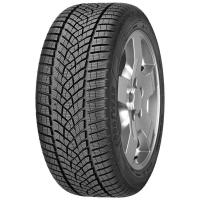
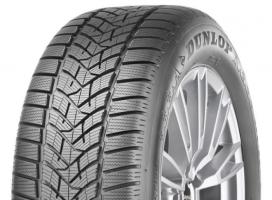
Hi im having trouble finding the new Continental 870 P in my tire size 225/40/R18 but I could get the TS830 P instead, would those be close enough or would you recommend I look into other options?
I'd probably go for a more modern alternative in your size, you should have plenty of good options (TS870, T005 etc)
Alright thanks I'll keep looking!
I am having a hard time finding the best all rounder winter tyre for a heavy SUV with 235/55/20s on it.
I'm leaning towards the Hankook Icept Evo 3s as first choice followed by the Goodyear Ultragrip.
They both seem to be pretty close.
I think a lot of people go down the Bridgestone Blizzak route but its more suited for wet weather than combined.
Of course it depends on the climate and the UK suburban winters can change from wet to dry to snow and frozen snow, depending on the randomness of the weather. I'm not driving up the Alps but our roads are not gritted and when it does snow and then it becomes compacted and frozen you are stuck. Just before the time I swap back to summer tyres, the mornings are cold below 7 degrees and then warms up to about 12 degrees and this also has an influence. You go from solid to a more bouncy ride, especially at 70 mph. Town driving is not so bad.
So this is my reason for a suitable all rounded winter tyre for a car that weighs nearly two and a half tonnes.
Would you agree with the Hankooks or do you recommend anything else?
I would happily fit the Hankooks myself. Your size is rather limiting for options so I'd be happy that the hankook is made :)
I spoke to Hankook as I couldn't find any UK seller for these. Their sales guy said it had been discontinued. Not sure what to go for. Even Continentals in my size is unavailable. Maybe Bridgestone Blizzaks or dare I even say the Yokohamas which I haven't seen any tests yet for. Really wanted the Hankooks so now I am stuffed.
I'd side with the Bridgestones, they might not have the strongest snow performance in certain sizes, but they'll happily take anything the UK will throw at them and they're very good in the wet, which is most of the UK winter.
Hello, thanks for your amazingly quick reply.
Will see what I can get. Out of curiosity and I promise not to be a pain, but have you tested the Yokohama BluEarth Winter V906 and if you did can I ask what you thought of them? I don't see much information about them. The only think I am not sure about the Bridgestones is that a lot of reviews say that they are not great in the dry. Once again, thanks for your valuable thoughts.
If I had the data would be on this site :) I don't believe I have, sorry.
Great, clear review thanks.
I wondered if there were any plans to include an EU-certified retread winter tyre as an alternative to the Chinese benchmark for future testing, as there seems to be little reliable performance data for them. I have been looking at King Meiler, as they seem to retail winter tyres at a similar price-point to budget Chinese, and with decent environmental credentials - but clearly not much point going down that route if they don't offer superior performance.
I don't have a retread in this years tests, but I'm trying to get one for a summer test for early next year
Great information and very helpful, I'm buying winter tires for a Kona N Line this year and it needs UHP Winter tires. Overall I rated Bridgestone the highest in recent testing with Hankook a close 2nd. I'm surprised Continental didn't perform better as it's Winter Tires (VikingContact) have done very well in the European testing.
I'd like to see the Braking Testing to be to a full stop, perhaps there's a reason for the measurement to be 5km/h, my guess is because it's not as realistic from higher speeds. How often do you need to go from 120km/h to a full stop?
The videos especially are very thorough and enjoyable to watch. Also, I'm not sure why Pirelli Sottozero 3 Winter was not included but I have lots of testing results on them and they are very good in the UHP Winter segment.
No testing measures to 0 as there's too much variance from the abs systems in the final part of braking. Some publications like autobild calculate down to 0 but I find that misleading so I present the actual data.
Winter Tyres size 225/45 R17
Seeking Best Fuel efficiency A rating for wet grip and 70db or lower on noise.
Not sure which ones meet that criteria or better for Fuel.
I previously used Kleber transalp 3 Tyres which had excellent wet grip .
Thanks
Rolling resistance and noise levels are available from the data from this test, you just need to cross reference them to make your pick.
Hi,
Is there a chart to be able to see this data more simply and or any suggestions of options you can offer?
The charts are on this very page and in the video.
Hello, I can't decide what tires to buy for my car, please help michelin Michelin PILOT ALPIN PA4 or GoodYear UltraGrip Performance + size is 245/45 r18 car is bmw f10 530d xdrvie greetings
I'd probably take the Michelin of these two
In the video you say that this winter test was carried out on the same track and at the same time as the all season tyre test. If that's correct why the differences in Reference Summer Tires performance are so large between these tests?
e.g. Wet Braking here and Wet Braking (cool) in all season test. Similar conditions, so I would expect similar performance for summer tire.
Here the result of Reference Summer Tire is 29.52 and in All Season test 35.28.
Why there is such a big difference? Is the tire size difference the factor affecting performance that much?
How can I compare the performance of winter tires to all season tires, which makes more sense than to summer tires?
My memory might be fading but I'm fairly sure they were different tyre sizes and different reference tyres between the tests. This year I've tested them in the same size at the same place, however even then you're testing on different days so the results can vary quite a lot.
Maybe You can test e.g. top 3 all season tires along with top 3 winter or summer tires to show how much better (or maybe similar) these perform in specific weather conditions?
Would be interesting to add an ice portion for this testing so it can be compared to the Nordic compounds. I.e. Michelin X-Ice Snow vs PA5 and Continental VikingContact 7 vs TS870P in the same conditions and speeds.
That would certainly help with purchasing and deciding what is best suited for the end customer.
I've always been curious to see how a performance winter would compare to a severe winter compound.
Keep up the great comparisons and videos on YouTube, they are a great help and very informative.
I've actually done something similar, check out this video :)
https://www.tyrereviews.com...
I did not like the Hankook as they have failed under areas that are very warm (like extreme heat areas). Tires were not able to handle the heat on the road, cause for it to blow out.
How did you find the Michelin PA4 vs the PA5. With the PA4 being an aysmmetric design, I felt it was very agile and not like a traditional winter tyre as well as amazing in the snow. Would the non asymmetric design change that?
I've not compared them on the same car so I couldn't tell you, sorry. I would be surprised if Michelin made anything worse for the PA5 though.
I have a w204 C250 (Mercedes) RWD with 225/45/17 it's very twitchy in the snow and wet. I work about 40 miles away down the motorway, with some quite bad B roads in between.
I have looked at a lot of your reviews and have picked out these but open to suggestions:
Hankook i*cept evo²
Vredestein Wintrac Pro
Dunlop 5
Goodyear Ultra Performance Plus
I live in the north of england, and have been hit hard with snow and it is impossible to drive (Currently using all season) which are rubbish so am working from home.
Which would you suggest for some backroads, and mainly motorway driving?
Thank you
What all seasons are you using?
Your short list is great, but obviously I'd throw in something from Conti and Michelin for consideration
accelera phi (came with the car) never realised how lethal they were until the weather came! - They're advertised as all season, but they're rubbish summers in essence.
I have looked at Conti & Michelin but the price for 4x works out about £200 extra.
Whats your opinion on the Hankook rs2? In tests, they seem to come out quite good (I can get them £90 a tyre new) so that's one I'm heavily considering too over the others as it's £360 for the fullset.
Just like to add - I don't really floor it anywhere, take it steady as it's mostly long distances i cover.
The Phi is a (bad) summer tyre for sure! The RS2 looks to be awesome, but I've not driven on it yet. I trust the tests its done well in though
Thank you very much - I will stick with the RS2's as they do seem to have really good ratings in general and for £90 a pop - it's well worth the savings if it's just a tad worse off.
Do you have a donate or paetron? I didn't use an affiliate with you, as couldn't see them. So happy to donate/support you elsewhere.
I don't, thanks for the offer though. If you want to help, just share the site / channel anywhere you can :)
I have a set of 4 MICHELIN ALPIN TYRES 205/55 R16 on steel rims that I used on my VW Golf SV. My new car is a VW Polo R Line TSI with 215/45R17 wheels/tyres. My question is can I fit the Michelin Alpin tyres on the smaller wheels to my POLO? I am assuming that the base POLOs will use smaller wheels/tyres.
What are your thoughts, thank you.
The overall size will be slightly bigger, I can't actually recommend on this subject as there's lots of variables with vehicles so many best to ask vw or an owners forum
Thanks for the reply, ill try the VW Forum and see if anything there.
The results of this test should give you some ideas :) Hankook and Bridgestone also great options
Hey Jonathan What's your thought on this: the generic Alpin 5 has a class E fuel consumption (labelled E, B, 68) whereas the homologated Alpin 5 N0 has got a class D fuel consumption (labelled D, B, 68). What do you think would happen when putting such a N0 homologated tire on an Audi A3 Sportback instead of the generic Alpin 5... would it keep the N0 classification values nonetheless, would it level itself to the values generated by the generic Alpin 5 or would it worsen the performance, i.e. generate below generic type value levels? Thanks for your insight and reflections!
Too difficult to answer, but I definitely wouldn't go with the N0 tyre. Depending on the size you might be fitting the front or rear tyre of a car with a totally different weight distribution. Plus in the real world, label scores aren't super accurate.
I have had both the Guislaved NordFrost and Nokian Haakapilliittta, and would heartily recommend either one. Unless you are in very severe conditions, studs are not required with either tire. I live in the snow belt of Ontario, Canada and my 1990 Volvo 240 Estate, a lovely rear wheel drive beastie, just simply get through everything. I am reduced to having the Uniroyal Tiger Paw Ice And Snow, because it is the only tire sold here in a 195/75R14 size. Such is life with an old car.
Have you looked in the homologation paper of your brave car for possibly alternative tyre size(s)? Ideally in 15'.
I have 15 inch Volvo wheels from a 240 GLT/TURBO for summer. I was reluctant to buy 15 inch steel wheels as I plan not to need another set of winter tires when these wear out. I am planning to move to Belize where winter will be but a distant, bitter memory.
Is there a major supply problem in the UK for winters this year? I've been trying to buy since the end of August, but none of the online retailers have any of the latest leading contenders. Is this likely to change anytime soon?
If they're not in now I'd guess they're not coming in. UK retailers would have had to place direct orders months ago and likely due to little demand last year everyone was too conservative.
I just got the Continental TS870 from mytyres.co.uk. Came from Germany took 7 days from order.
Let me know how you get on with them!
What is your opinion on Pirelli's brand new Cinturato Winter 2?
Not managed to test it yet sadly, but it's from the same cut as the SF2 so in theory it could be very good!
Good summary, Jon - thanks.
Is there any interest / thoughts about doing a comparison of the same tyre in radically different sizes? i.e 16 > 18 > 20, to see how consistent the scoring is? How much can I read into the 18" scoring, when I'm needing 20" version of the same tyre? Ta.
I've done 16, 17 and 18", the issue is you're unlikely to find the same tyre in 16" and 20"!
Great work, as always. I am slightly confused, please help me out:
- I drive a 2016 Skoda Octavia 1.8 TSI; FWD and real bad wheel hop, I suppose you are familiar with it since you drive an Octavia RS
- my winter wheels are 16" because larger sizes would not allow the use of chains
- current (and OEM) wheels are 205/55/R16
- I would go for a UHP winter tyre to help with traction and let me enjoy what the engine offers
- however, both the Michelin Pilot Alpin 6 and the Continental TS870P are available in 16" but only in 205/60, not 55
This means an increase of height ratio of more than 3%
I can't find reliable information as to why they went with this choice, or whether it is safe to change sizes?
What are you thoughts? Thank you
I wouldn't rush to change the tyre size, there's probably very little difference if any between a PA5 and Alpin 6 in terms of cold weather traction.
Sadly wheel hop is a fact of powerful fwd cars without very expensive suspension setups! A 16" winter tyre should slide more than hop though :)
If Conti then for 16' and very common touring size 205/55/R16 go for Continental TS870 or TS860. On snow you will be better off.
TS870P or 860S or 850P are top notch models for sport, high class and super sport cars...
In 205/55R16, there is also the Conti TS860S, but only in runflat flavor.
I'm around the same spot of indecisiveness myself.
I drive a 156 2.5 V6, very enjoyable with its summer 17" Michelin PS4 tires. But the actual winter wheels with TS860 feel quite sluggish for mild winters with mostly cold wet weather and only rare snow.
So as you, I don't know if I should stick with 16", either with the runflat TS860S or the Vredestein Wintrac, or even the TS870 or Bridgestone Blizzak LM005.
Or go up a size (215/ or 225/45R17), so UHP 4S like the Vredestein Quatrac Pro becomes available.
Price wise, the Vredestein options are the cheapest, and the Conti ones the more expensive.
That's a hard call…
Yep, it is ;)
Thanks Jon for your reply! (I wasn't expecting you were still around… :D)
Will you personnally go for runflat TS860S or another "regular" winter tire?
I've also heard your recommandation for the use of 4S in mild winters area like UK or coastal France. Do you think there would be a great difference between 4S and UHP (dry and wet biased) winter? There is very few data about this.
I'm spending a lot of time on this because of a baby on board. So I'm looking for max safety, and if possible, best feeling when she's not aboard.
Honestly I don't know what I'd do! Good arguments for each.
You can see the difference between summer and all season in my all season test, check it out.
For ultimate safety definitely ditch the runflats.
Thanks for your input. :)
If I go 4S, it would be only for winter, I will stay with summer tyres for summer. ;)
Are the runflat tyres that bad overall?
I'll re-read all the tests to help make my mind. Is there any way to have a clue about the summer and winter tyres references in your 4S tests? :D
Runflats are pretty bad. Unfortunately I can't share the specific references for this one, but check out the 2020 all season test as those references are named :)
Great reviews! I have one question. Are the same results with the wider winter tire, for example 255x35x18. Thank man.
Where it's very close there's likely to be some small variations but the overall theme should stand
I have to admit that I don’t like the LM005. As long this tire is new, it’s fine, but with ongoing wear it deteriorates dramatically. Last year it won beneath every review, so this review hits reality very well. A winter tire which is only good in the wet, is not worth to be sold as winter tire. I could drive a allwheather with advantage in dry conditions.
When tested in wear, it's usually one of the worst of the group, eg https://www.tyrereviews.com...
Have the LT variant on my work truck. They are horrible on snow and ice.
where is the "low temperature" dry braking test? isn't that the most important of all winter-tyre features?
Temperature has very little effect on dry braking tests due to the heat generated by full abs stops in the dry, however these were performed at low temperatures, it even notes "Testing at 3c" in the first line of the dry section.
3c? thats nothing. Tire changes alot down to -40c like we get up here
Do you often get -40c and dry roads?
Well, the roads are definitively not wet at -40c but they are often covered in compacted snow or groved ice. But a bare roadsurface is not uncommon. Most popular brands up here are Nokian and Conti with studs.
I assume you're somewhere very north such as Ivalo?!
Hey guys, does someone tried Kleber Krisalp HP3 on 225/40/18? I drove this tyre on 205/55/16 and i can say it was really good tyre with low noise and awesome traction on snow but i am not sure whether they will perform the same way on the bigger size.
See the page on this site, plenty of tests in different sizes. Usually the performance translates through sizes pretty well
hey guys, what do you think about Kleber Krisalp HP3 tyre? what do you think how good or bad would it score? I'm reading some reviews and the tyre is really good on snow, considering the price.
Let me know your thoughts
I only know what's on this site! It did come third in the auto bild full winter test, it should be on the site tomorrow so come back (11th Oct)
Thanks for your reply!
Kleber Krisalp HP3 are in tests in the top (overall and snow), usually best price for value. Their only backside is the test in the wet, where they are usually weaker (harder compound but that's better for their very good longevity).
Have you tested the Goodyear Ultra Grip Ice2?
How does it compare to VikingContact 7 or Hakkapeliitta R3?
I have not, I hopefully will next year. I'll be putting some test data on the site next week which includes that tyre though :)
When will you do a winter tyre test with a loaded van
That's a bit too niche for me, but you can find commercial / van tyre tests on the site!
What’s the difference between Continental TS870 and TS870p? Which one would you choose in 225/45/R17 for Golf mk6 GTI?
P is the performance version of the tyre so geared to be slightly more sporty and fit larger wheel sizes
It seems TS870P is not available in size 225/45 R17, only TS870. Can you confirm?
Would TS870 still be a good choice for GTI from your point of view?
The 870 is still a great tyre. I'm not entirely sure what performance winter tyres will be available in 17"
Interersting, thank you for work but where is Michelin alpin 6 ?
This is the PILOT Alpin 5, which is the latest generation for the larger wheel size. The Alpin 6 is smaller sizes.
Ah yes sorry :)
Great review as ever. Conti seems to be the go-to for most European drivers. Still preferring an All-Season for UK winter?
For where I am, and my driving pattern, yes, but I'm north London and don't drive / commute that much in the UK :)
When you're saying you use All seasons instead of dedicated Winters in the UK, are you using them all year or switching to Summer UHP tyres in the summer?
I'm running PS4S's on a Fiesta ST, currently and looking for something to run in UK winter but now confused after your video if I should buy full 'winters' or all seasons to run as a winter tyre?
Any advice much appreciated.
I run them as winter tyres, so I switch to summers in the summer
I believe it would be nice to include a reference all season tyre in summer and winter tyre tests as the reference summers and winters usually show how bad they are in the other's environment (exagerated a bit), but an all season which is considered by buyers to get instead of both other types should show how much of a compromise that is under circumstances which favour a more specialised tyre.
All season tyres are like the intermediates in F1. They have a range in which they are the best choice (where summers aren't enough but winters are too much, which covers many wintry conditions nowadays in central Europe). We could compare the results in this year's all season and winter tyre tests as the circumstances were pretty much the same, but I feel like the size difference wouldn't make it as "apples to apples".
Otherwise a great content as usual, keep it up!
I have plans for next year which will certainly help show the differences between the two :)
Naming the exact reference tire or tires would be a great step towards greater transparency
I usually do, I couldn't this year but I will certainly in the future
I agree that a comparison between those on test here and the top 2 or 3 all season tyres would be well worth it, at least to show what they can do on the snow in comparison to more than one 'reference' winter tyre. And also on both this size of tyre (popular with 'Sport' models of many C-sector cars) and the most popular tyre for the same size of car, the 205/55 R16.
Great test as always!
How about cabin noise? Winter tyres tend to produce annoying sounds. Which tyres were the quietest?
Sadly we didn't measure internal noise this time due to time, just external.
Great work :)
To bad this is a size with tyres which aren´t available for me.
If the prices are corrct the GT Radial is to expensive for the performance.
The only tyre which surprised me was the Hankook. Hankook proved in the last years they can also make good winter tyres.
The tyres are feeling a lot like Continental products now, which is no real surprise as I believe Hankook setup r&d right next door to Conti in Germany then borrowed some of their engineers!
Why should Conti help the competitors? Maybe Hankook send spies ;)
Hankook show since years a good progress from mid quality to almost(?) Premium quality. My first Hankook tyres I bought 1991, All Season but even Hankook Germany don´t know which tyres this could be ;) . I don´t have photos of it, but it looked like the 1st Goodyear Vector
Long time ago some ppl think Kumho is the next Hankook, but actually I don´t believe it. And Toyo, which had long time ago some very good tyres, didn´t manage to make a good tyre since more than 10 years.
Oh they didn't help, Hankook offered a lot of engineers more money to move across. A very normal way for businesses to buy big jumps in technology, and it seems to have worked
Ah, OK, I wondered about "borrows".
I love your Youtube videos and the fact that you are doing what you are most passionate about for living which allows you to put all you have to produce the best content possible while having fun doing it. No cheap content to get rating up for Youtube or warring about sponsorship and who to please with.
The fact that you tested these tires at the same time as the All Sean / All Weather tires allows people to see just how much differences there are between the premium All Season vs the premium Winter tires in all weather conditions. It was a surprise to me that the tire with the lowest tread depth (Michelin) has all the best snow performance especially they usually have a tradition of long lasting tread wear and good performance even at low depth of tread at the end of its life. Well done and thank you for the hard/fun work review.
It surprised me too, as tread depth is often useful for snow performance! Michelin obviously know what they're doing :)
Michelin works since the 1st Alpin on it. IIRC Michelin is one of the manufacturers which cut the slats (correct english word for german "Lamellen"?) to the ground while many other manufacturers don´t do that. My Yokohama V905 a good example for these other manufacturers, the tyres get awful with more than 5mm tread in the snow. Michelin let TÜV Süd test it, the Alpin 6 was the best tyre with very low tread, the worst was Bridgestone LM001 Evo